
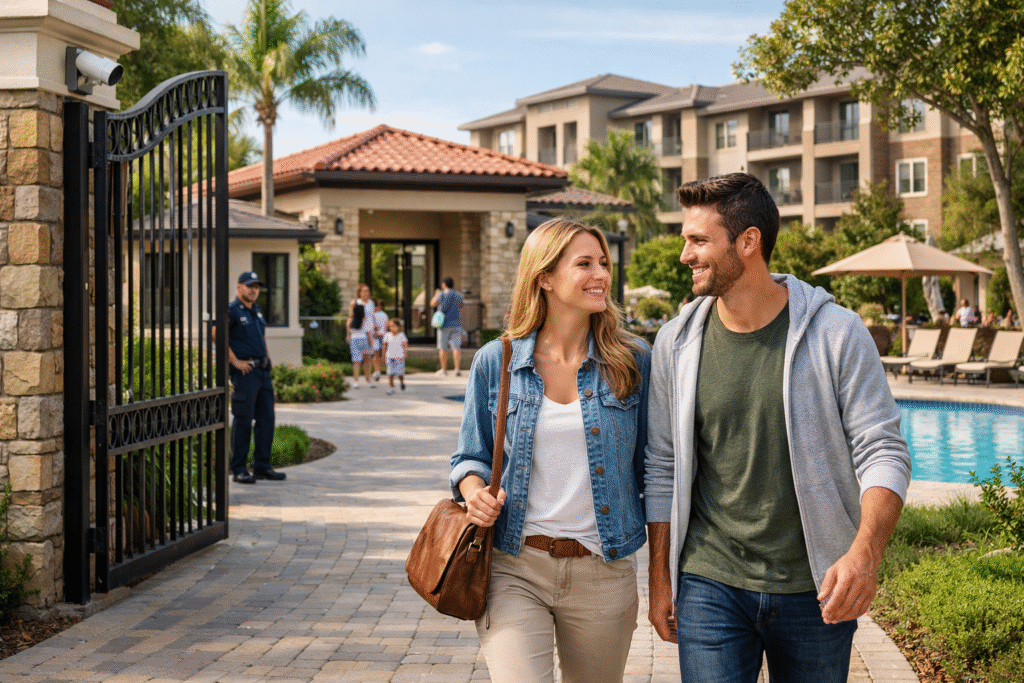
In today’s fast-changing world, flexibility has become a priority for many urban residents. People increasingly value the ability to move, adapt, and reshape their lifestyles without being tied down by long-term obligations. Consequently, rental housing has gained popularity, especially among young professionals, relocating families, and retirees seeking convenience. Within this growing rental culture, gated communities have emerged as a preferred option. They offer a unique blend of independence and structure — freedom without the heavy commitment of ownership.
The Rise of Lifestyle-Driven Renting
To begin with, renting is no longer viewed merely as a temporary phase before buying a home. Instead, it has become a deliberate lifestyle choice. Many renters today prioritize experiences over possessions and mobility over permanence. For instance, professionals who frequently change cities for career growth often avoid buying property because it ties them to one location.
As a result, gated communities appeal to such renters because they provide the comforts typically associated with ownership — security, amenities, and community — without requiring long-term investment. This balance between comfort and flexibility makes gated living particularly attractive in uncertain economic times.
Security Without Ownership Stress
One of the strongest reasons renters choose gated communities is the sense of safety they provide. Unlike standalone buildings, gated residences often include controlled entry points, surveillance systems, and security staff. Therefore, tenants enjoy peace of mind without having to invest personally in security infrastructure.
Moreover, renters appreciate that these protections come bundled with their housing choice rather than requiring separate arrangements. This means they can experience a secure environment while still retaining the freedom to move when circumstances change. In essence, they enjoy stability without permanence.
Amenities That Enhance Everyday Living
Another important factor is access to shared amenities. Gated communities typically offer facilities such as landscaped parks, fitness centers, walking paths, children’s play areas, and sometimes even co-working spaces. Consequently, renters benefit from a lifestyle upgrade that might otherwise be financially out of reach if they were to arrange these features independently.
Additionally, such amenities support modern lifestyle trends focused on health, social interaction, and convenience. For example, a tenant who values fitness can use the on-site gym instead of purchasing an expensive membership elsewhere. Similarly, families enjoy safe play spaces for children without worrying about traffic or crowding.
Thus, gated communities allow renters to enjoy premium living experiences without committing to the long-term costs of ownership or maintenance.
Maintenance Made Easy
Furthermore, maintenance responsibilities play a crucial role in rental decisions. Homeownership often comes with repairs, renovations, and unexpected costs. In contrast, renters in gated communities usually benefit from professional maintenance services managed by property administrators or associations.
This arrangement means that when something breaks, the tenant simply reports it rather than bearing the burden of repair. As a result, renters save time, effort, and money. This convenience aligns perfectly with modern lifestyles, where people prefer focusing on work, hobbies, or family rather than property upkeep.
Therefore, gated living provides the comfort of a well-maintained home without the commitment of maintaining it personally.
Community Without Obligation
Interestingly, gated communities also offer a sense of belonging that many renters find appealing. Even though tenants may not intend to stay long term, they still value social interaction and neighborhood connections. Organized events, shared recreational areas, and walkable layouts often encourage casual interactions among residents.
At the same time, renters retain the option to disengage whenever they wish. Unlike ownership communities where long-term participation may be expected, rental residents can enjoy social benefits without feeling permanently tied to them.
This creates a unique balance: renters experience community life while preserving their independence.
Financial Flexibility and Risk Reduction
In addition, financial considerations strongly influence housing choices. Buying property involves down payments, loan commitments, property taxes, and long-term financial exposure. Renting, however, allows individuals to allocate their funds more flexibly.
For example, someone may prefer investing savings in education, travel, or business opportunities instead of locking them into real estate. Choosing a gated rental provides a comfortable living environment while keeping financial options open.
Furthermore, renters avoid risks associated with market fluctuations, property depreciation, or unexpected infrastructure issues. Consequently, gated rentals become a practical solution for those who want stability in lifestyle but flexibility in finances.
Mobility for Modern Careers
Another significant factor is career mobility. With remote work, international assignments, and gig-based employment becoming more common, people are less tied to a single city. Therefore, renters value housing that supports quick transitions.
Gated communities often exist in well-connected urban zones close to business districts, transport hubs, and social infrastructure. This strategic positioning makes relocation easier. When a new job opportunity arises, tenants can move without worrying about selling property or managing vacant homes.
Thus, gated rentals serve as a bridge between professional ambition and residential comfort.
Emotional Comfort Without Long-Term Pressure
Beyond practical reasons, psychological comfort also plays a role. Homeownership can sometimes create pressure to stay in one place, maintain social expectations, or commit to long-term financial obligations. Renting in a gated community, however, removes this weight.
Tenants can enjoy a high-quality environment while keeping future possibilities open. This sense of freedom often reduces stress and enhances overall well-being. In a world where change is constant, such flexibility becomes emotionally valuable.
The Future of Commitment-Free Living
Looking ahead, the demand for gated rental housing is likely to grow. As cities expand and lifestyles become more fluid, people will continue seeking homes that combine security, convenience, and flexibility. Developers and property managers are increasingly recognizing this trend and designing communities tailored to renters rather than only owners.
Consequently, gated living may evolve into a standard housing choice rather than a niche option. It represents a shift from ownership-driven housing models toward experience-focused living.
Conclusion
In conclusion, gated communities offer renters something uniquely appealing: the freedom to live well without the commitment of ownership. Through enhanced security, shared amenities, maintenance support, financial flexibility, and social comfort, these communities provide a lifestyle that adapts to modern needs.
Ultimately, for many renters, the goal is not just to find a place to stay but to find a place that supports their evolving life journey. Gated living, therefore, stands out as a solution that blends stability with freedom — a home that feels secure today yet leaves the door open for tomorrow.