In recent years, rental housing preferences have undergone a noticeable transformation. Increasingly, tenants are prioritizing security, comfort, and lifestyle amenities over simple affordability. As a result, gated communities have emerged as one of the fastest-growing segments in the rental housing market. Not only do these developments promise safety, but they also offer a sense of belonging, convenience, and modern living. Consequently, rental demand inside gated communities continues to rise across urban and semi-urban regions alike.
The Shift in Tenant Priorities
Traditionally, renters focused primarily on location and price. However, modern tenants now evaluate multiple factors before choosing a home. For instance, working professionals, families, and even students increasingly value controlled access, surveillance, and organized maintenance. Therefore, gated communities naturally appeal to renters who seek peace of mind alongside functionality.
Moreover, lifestyle expectations have evolved. Today’s renters want more than just four walls; they desire a holistic living experience. Because gated communities often include parks, gyms, play areas, and walking tracks, they create an environment that promotes both physical and mental well-being. Thus, demand continues to rise as tenants look for spaces that support healthier lifestyles.
Security as a Key Driver
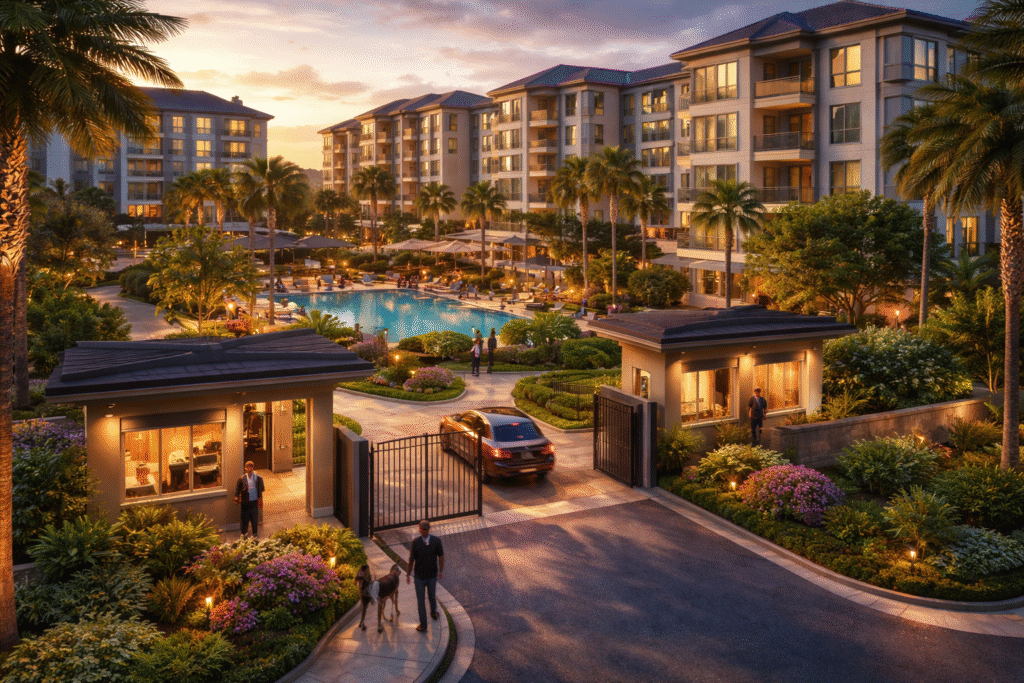
Above all, security remains the primary reason renters choose gated housing. In an era where urban density is increasing, safety concerns have also grown. Consequently, properties with security personnel, CCTV monitoring, and controlled entry points are perceived as more reliable.
In addition, families with children and elderly members often prefer gated communities because of reduced traffic, monitored visitor entry, and safe recreational zones. Similarly, professionals who frequently travel appreciate the added security while they are away. Therefore, gated living offers reassurance that traditional standalone housing often cannot provide.
Lifestyle Amenities Attract Modern Renters
Beyond safety, lifestyle amenities significantly influence rental demand. For example, access to swimming pools, clubhouses, sports courts, and landscaped gardens enhances everyday living. These features transform housing into a community-driven experience rather than merely a functional shelter.
Furthermore, shared amenities reduce the need for external memberships or travel to recreational spaces. As a result, renters save both time and money while enjoying a higher standard of living. Consequently, gated communities become particularly attractive to young professionals who value convenience and social interaction.
Work-From-Home Culture and Space Needs
Another factor contributing to rising rental demand is the normalization of remote and hybrid work. Since the global shift toward flexible working models, renters now seek homes that can accommodate workspaces, reliable infrastructure, and peaceful surroundings.
Gated communities often meet these expectations by offering better planning, open spaces, and consistent maintenance. Additionally, some developments include co-working areas or community lounges, which further support remote professionals. Therefore, such housing environments align well with evolving work patterns.
Predictable Maintenance and Management
One overlooked yet crucial advantage of gated communities is structured property management. Unlike standalone buildings, gated developments usually have dedicated maintenance teams that handle plumbing, electrical issues, landscaping, and waste management.
Consequently, tenants experience fewer disruptions and more consistent living standards. Moreover, transparent maintenance systems create trust between renters and property managers. This reliability, in turn, encourages long-term tenancy, which further strengthens demand.
Appeal to Different Tenant Segments
Importantly, the demand for gated rentals is not limited to one demographic group. Instead, it spans multiple tenant categories.
First, families appreciate the safety and child-friendly environment. Second, young professionals value the modern amenities and social opportunities. Third, retirees prefer the organized surroundings and healthcare accessibility often associated with such communities. Because these developments cater to diverse needs, they maintain strong occupancy levels year-round.
Investment Perspective and Supply Growth
From an investment standpoint, gated communities have also become attractive to property owners. Higher tenant demand often translates into stable rental income and lower vacancy rates. Additionally, these developments tend to appreciate in value over time due to infrastructure quality and community reputation.
Therefore, developers are increasingly focusing on gated projects, especially in growing urban corridors. As supply expands, renters gain more options, which further stimulates competition and improves housing standards. Consequently, the gated rental segment continues to mature as a structured market rather than a niche offering.
Challenges Within the Growing Market
Despite the growth, gated rentals are not without challenges. For instance, monthly maintenance fees can increase the overall rental cost. Additionally, strict community regulations may feel restrictive to some tenants who prefer more flexibility.
However, many renters consider these drawbacks acceptable trade-offs for improved safety, cleanliness, and organized living. In fact, the willingness to pay slightly higher rent for better quality housing reflects a broader shift in urban lifestyles.
The Future of Gated Community Rentals
Looking ahead, the demand for rentals inside gated communities is expected to grow steadily. Urbanization, rising safety awareness, and lifestyle aspirations will likely continue to drive this trend. Furthermore, as smart home technologies and sustainable infrastructure become more common, gated developments may evolve into fully integrated living ecosystems.
In addition, emerging cities and suburban growth corridors will play a significant role in expanding this market. As people seek spacious housing away from overcrowded city centers, gated communities in peripheral areas may witness particularly strong demand.
Conclusion
In summary, rental demand inside gated communities reflects broader changes in how people perceive housing. While affordability still matters, renters now prioritize safety, lifestyle, and convenience. Consequently, gated communities have transformed from luxury options into mainstream housing choices.
Because they combine security, amenities, and structured management, these developments appeal to a wide range of tenants. Therefore, both investors and developers are increasingly recognizing their long-term potential. As urban living continues to evolve, gated communities are likely to remain a central pillar of the rental housing market for years to come.