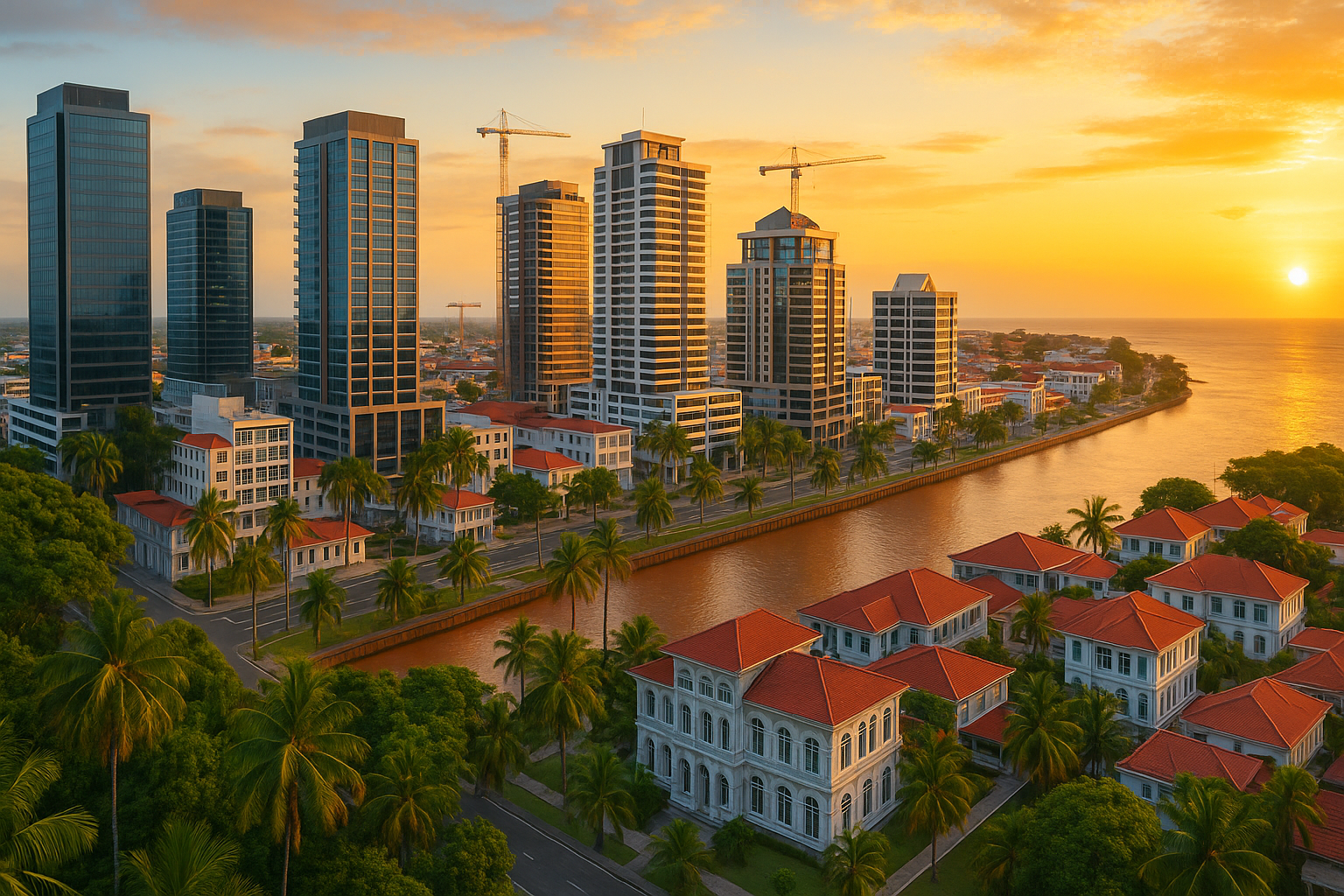
When renters decide whether to renew a lease or search for a new home, price and location usually come first. However, architecture quietly shapes that decision more than many property owners realize. The way a building looks, feels, and functions can influence comfort, emotional attachment, and even a sense of belonging. Consequently, architecture is not merely about aesthetics — it can directly affect how long renters choose to stay.
First Impressions Shape Emotional Attachment
To begin with, architecture creates the first emotional connection between a renter and a property. A well-designed entrance, natural lighting, and thoughtful landscaping immediately signal care and quality. As a result, renters often perceive such spaces as safer, more welcoming, and more valuable.
For instance, buildings that emphasize open layouts, greenery, and human-centered design reflect principles championed by thinkers like Jane Jacobs, who believed that built environments should support community interaction. When renters feel that a building encourages connection rather than isolation, they are more likely to form bonds with the space — and with each other.
In contrast, poorly lit corridors, cramped layouts, and confusing navigation can generate subtle stress. Even if rent is affordable, renters may unconsciously feel unsettled, which eventually pushes them to look elsewhere.
Functionality Encourages Daily Comfort
Beyond appearance, architecture strongly affects how easily renters live their daily lives. Functional design reduces friction in everyday routines. For example, apartments with sufficient storage, smart kitchen layouts, and soundproof walls help residents feel at ease. Consequently, renters experience fewer frustrations, which increases the likelihood of lease renewal.
Modern architecture often prioritizes flexibility — a principle influenced by design movements such as Bauhaus. This philosophy emphasizes that form should follow function. In rental housing, this translates into adaptable spaces that support remote work, hobbies, and family needs. Therefore, renters feel that the home grows with them instead of limiting them.
When architecture supports real-life needs, renters do not merely occupy a space; they settle into it.
Natural Light and Ventilation Improve Well-Being
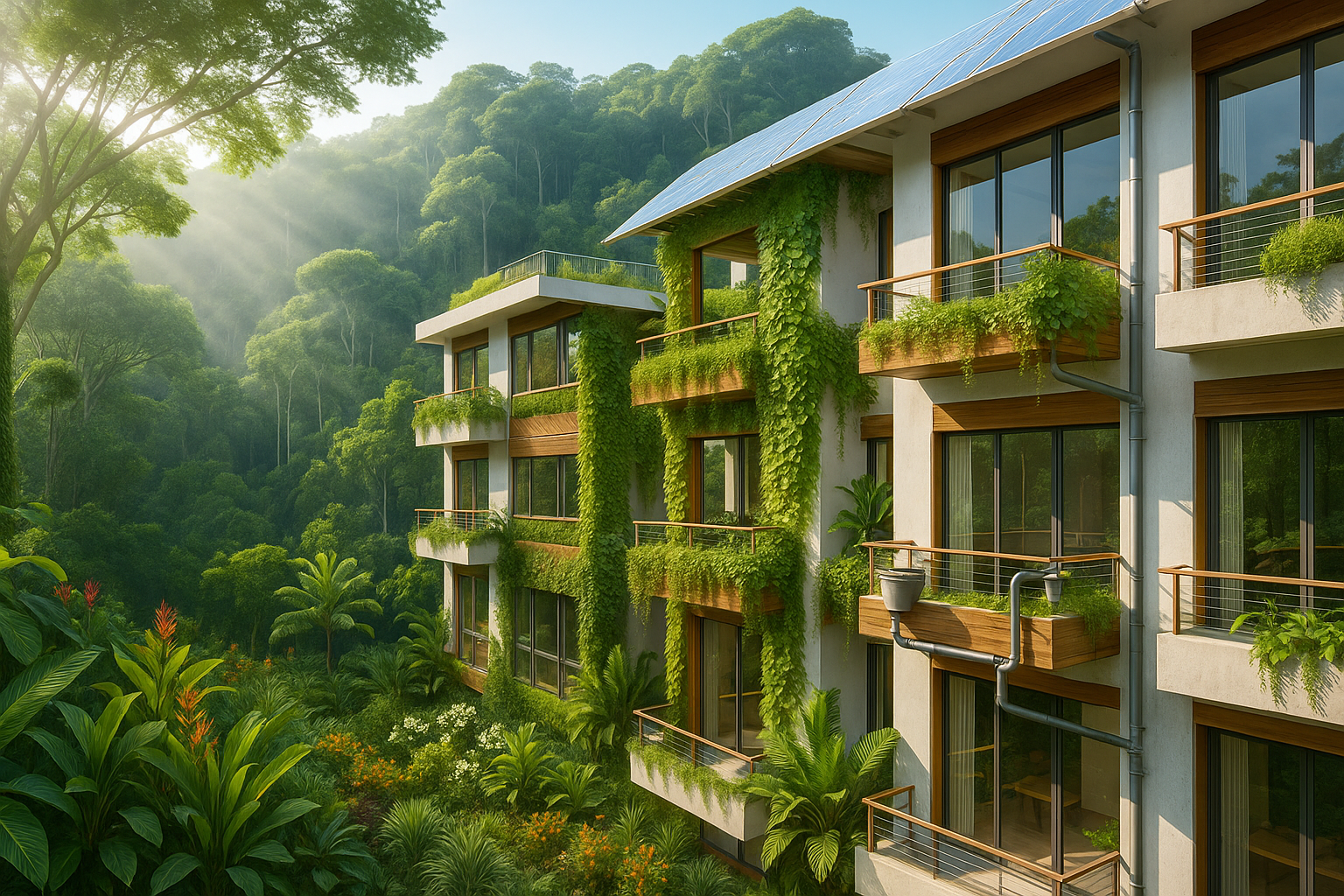
Another crucial factor is environmental comfort. Studies consistently show that natural light, fresh air, and views of greenery improve mental health and productivity. Thus, buildings designed with cross-ventilation, large windows, and open courtyards tend to retain tenants longer.
Historically, architects such as Le Corbusier emphasized sunlight and open space as essential elements of modern living. Today, these ideas continue to shape residential design because they directly affect how people feel inside their homes.
When renters wake up in bright, airy spaces, they associate the home with calmness and positivity. Over time, this emotional comfort builds attachment. Moving away then feels like losing a supportive environment rather than just changing addresses.
Community-Oriented Design Builds Belonging
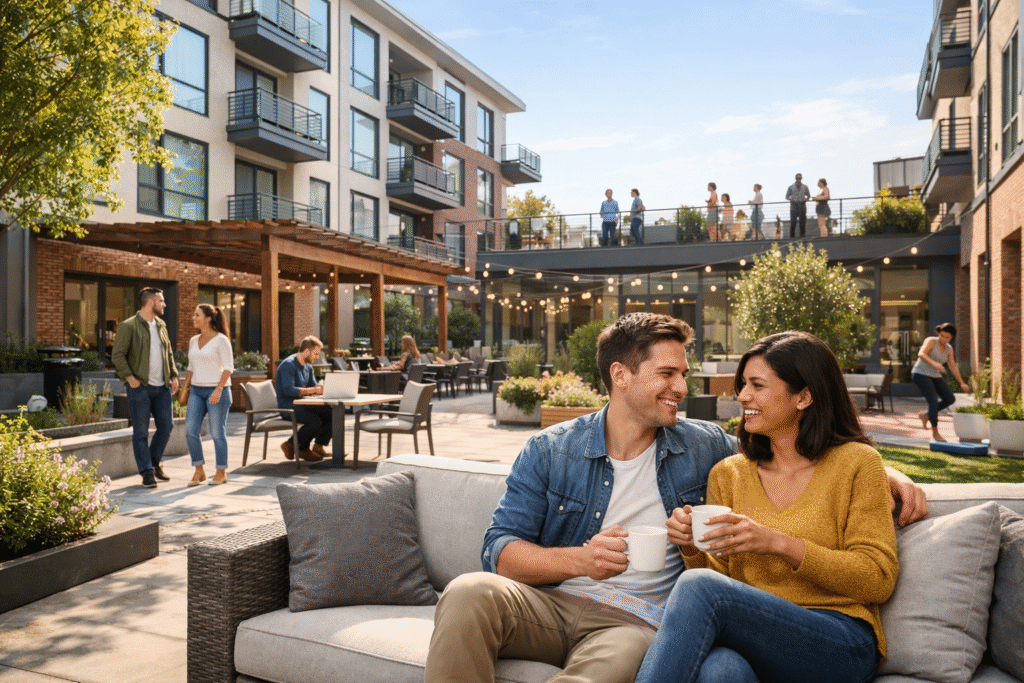
Architecture also influences whether renters feel part of a community. Shared courtyards, walkable pathways, rooftop lounges, and co-working spaces encourage casual interactions. Consequently, neighbors become acquaintances, and acquaintances become friends.
This sense of belonging plays a powerful role in lease decisions. Even if another apartment offers slightly lower rent, renters may hesitate to leave a place where they feel socially connected.
Furthermore, buildings designed around community spaces often feel safer and more vibrant. When people see others around, the environment feels lively instead of lonely. As a result, renters perceive the property as a place to live rather than a temporary stop.
Safety Perception Through Design
Importantly, architecture shapes how safe renters feel. Wide staircases, visible entrances, good lighting, and clear sightlines reduce anxiety. Conversely, narrow hallways, dark corners, and isolated parking areas can trigger discomfort, even if crime rates are low.
In this way, design communicates security without words. Renters tend to stay longer in buildings where they feel protected. After all, emotional safety often outweighs minor financial considerations.
Modern residential projects increasingly follow wellness-focused frameworks such as those promoted by the International WELL Building Institute, which emphasize lighting, air quality, and comfort. These elements subtly encourage renters to remain because the space supports their well-being.
Identity and Personal Pride
Another overlooked aspect is how architecture affects renters’ identity. People like living in buildings they are proud to show friends and family. A thoughtfully designed façade, stylish lobby, or unique balcony layout can make residents feel that their home reflects their personality.
Consequently, renters often associate such spaces with status and self-expression. Leaving then feels like stepping down rather than simply relocating. Therefore, distinctive architecture can become a silent retention strategy.
Adaptability for Life Changes
Renters’ lives evolve — jobs change, families grow, and routines shift. Architecture that accommodates these transitions encourages long-term occupancy. For example, buildings with multi-use common areas, flexible room layouts, and accessible design help renters adapt without moving.
In contrast, rigid spaces quickly feel restrictive. When renters feel boxed in, they start exploring alternatives. Thus, adaptability is not only a design advantage but also a retention tool.
The Psychology of “Home”
Ultimately, architecture influences whether a rental feels temporary or permanent. When design supports comfort, community, safety, and pride, renters begin to see the space as home. This emotional shift dramatically increases their willingness to stay longer.
After all, moving is costly, stressful, and time-consuming. If architecture reduces daily stress and enhances happiness, renters have little incentive to leave. Therefore, design becomes a quiet but powerful factor in occupancy stability.
Conclusion
In conclusion, architecture absolutely influences how renters feel about staying longer. From first impressions to daily functionality, from wellness to community, design shapes both practical comfort and emotional connection. While rent and location remain crucial, architecture often determines whether a renter simply lives somewhere — or truly belongs there.
For landlords, developers, and property managers, this insight is invaluable. Investing in thoughtful design is not just about aesthetics; it is about creating environments people do not want to leave. And when renters feel rooted in a space, lease renewals follow naturally.