Introduction
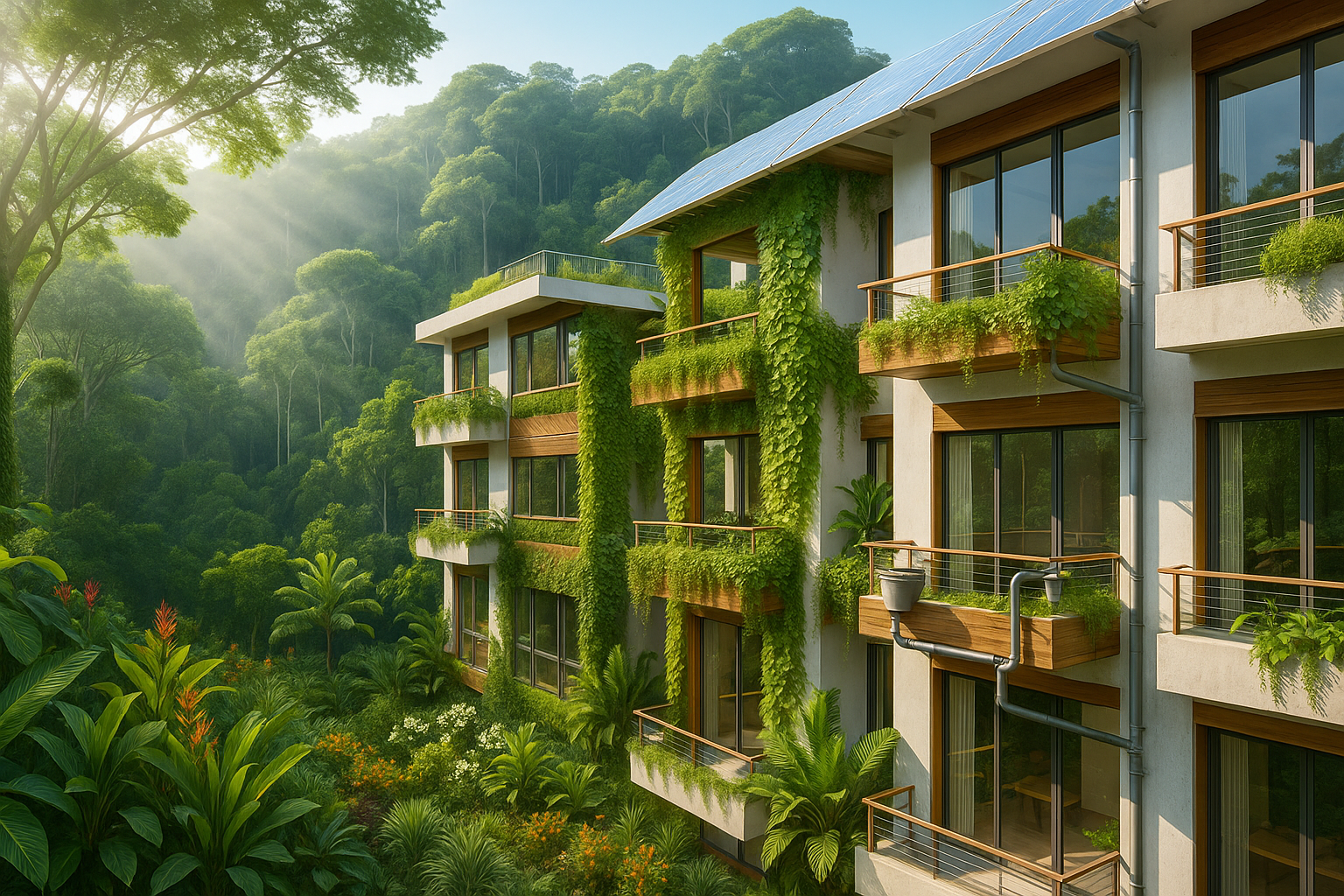
As environmental awareness continues to grow, homeowners are increasingly seeking sustainable ways to reduce energy consumption and lower utility costs. Consequently, gated communities are evolving to meet these expectations by incorporating energy-efficient features into their design and infrastructure. Today, energy-efficient living is no longer just a trend; rather, it has become a practical and responsible lifestyle choice.
Furthermore, modern gated communities are leading the way by offering residents access to innovative technologies, green spaces, and sustainable amenities. These developments not only benefit the environment but also improve residents’ quality of life. Therefore, understanding the advantages of energy-efficient living in gated communities can help prospective homeowners make informed decisions.
What Is Energy-Efficient Living?
Energy-efficient living refers to adopting practices, technologies, and building designs that reduce energy consumption while maintaining comfort and functionality. In gated communities, this concept extends beyond individual homes to include community-wide initiatives.
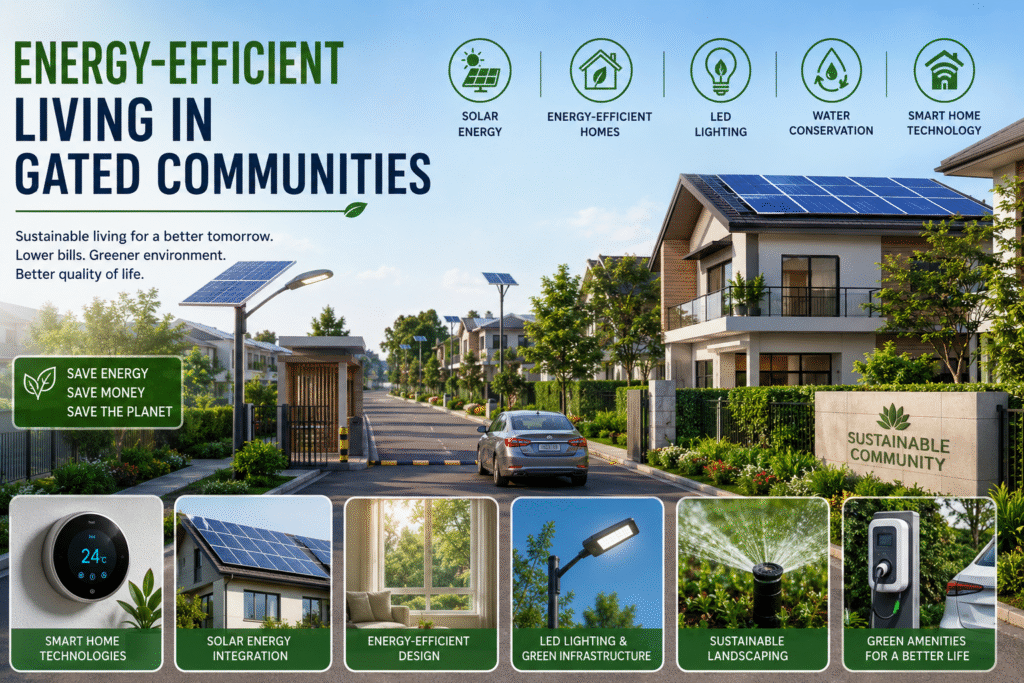
For example, energy-efficient communities may feature solar-powered lighting, energy-saving appliances, smart home systems, and sustainable landscaping. As a result, residents enjoy lower energy bills while contributing to environmental conservation.
Moreover, energy efficiency helps reduce dependence on non-renewable energy sources, making communities more resilient and sustainable in the long term.
Smart Home Technologies
One of the key aspects of energy-efficient living is the integration of smart home technology. Nowadays, many gated communities are designed with smart features that help residents monitor and control energy usage more effectively.
For instance, smart thermostats automatically adjust indoor temperatures based on occupancy and weather conditions. Similarly, smart lighting systems can turn lights off when rooms are unoccupied, reducing unnecessary electricity consumption.
In addition, homeowners can remotely manage appliances through mobile applications. Consequently, they can optimize energy use even when away from home. Not only does this improve convenience, but it also leads to significant energy savings over time.
Solar Energy Integration
Another important feature of energy-efficient gated communities is the use of solar energy. As solar technology becomes more affordable and accessible, many residential developments are incorporating solar panels into their infrastructure.
For example, solar panels can power common areas such as clubhouses, security gates, streetlights, and recreational facilities. Furthermore, some communities encourage homeowners to install rooftop solar systems to generate their own electricity.
As a result, residents experience lower electricity costs while reducing their carbon footprint. Additionally, solar energy contributes to energy independence, making communities less vulnerable to fluctuations in utility prices.
Energy-Efficient Building Design
The design of homes plays a crucial role in determining energy efficiency. Therefore, many modern gated communities prioritize sustainable construction practices and energy-conscious architecture.
For instance, homes may be built with high-quality insulation, energy-efficient windows, and reflective roofing materials. These features help regulate indoor temperatures and reduce the need for excessive heating or cooling.
Moreover, strategic placement of windows allows natural light to enter living spaces, minimizing reliance on artificial lighting during the day. Consequently, homeowners enjoy comfortable living environments while consuming less energy.
Additionally, the use of eco-friendly building materials further enhances sustainability and reduces environmental impact.
LED Lighting and Community Infrastructure
Lighting is a significant contributor to energy consumption. Therefore, many gated communities have transitioned from traditional lighting systems to LED technology.
LED lights consume significantly less electricity and have a much longer lifespan compared to conventional bulbs. As a result, maintenance costs are reduced while energy savings increase.
Furthermore, energy-efficient street lighting improves safety and visibility throughout the community. In many cases, solar-powered LED streetlights are installed to maximize sustainability.
Likewise, community facilities such as gyms, clubhouses, and swimming pool areas often utilize energy-saving lighting systems. Consequently, the entire community benefits from lower operational costs.
Sustainable Landscaping Practices
Landscaping is another area where gated communities can promote energy efficiency. While beautiful green spaces enhance property value and aesthetics, they can also contribute to sustainability when designed thoughtfully.
For example, native plants require less water and maintenance compared to non-native species. Therefore, communities can significantly reduce water consumption.
Additionally, strategically planted trees provide natural shade, helping lower surrounding temperatures. As a result, nearby homes require less air conditioning during hot weather.
Furthermore, efficient irrigation systems and rainwater harvesting methods support responsible water management. Consequently, communities achieve both environmental and economic benefits.
Energy-Efficient Amenities
Modern gated communities often feature a variety of amenities, including fitness centers, swimming pools, clubhouses, and recreational areas. However, these facilities can consume substantial amounts of energy if not managed properly.
Fortunately, many communities are implementing energy-efficient solutions. For instance, swimming pools may use energy-saving pumps and solar heating systems. Similarly, fitness centers often utilize energy-efficient equipment and lighting.
Moreover, community centers may incorporate smart energy management systems that monitor and optimize electricity usage. As a result, residents enjoy high-quality amenities without excessive energy consumption.
Financial Benefits for Residents
One of the most appealing aspects of energy-efficient living is the potential for cost savings. Since energy-efficient homes consume less electricity and water, residents typically experience lower monthly utility bills.
Furthermore, energy-efficient appliances and systems often require less maintenance and have longer operational lifespans. Therefore, homeowners save money on repairs and replacements over time.
In addition, properties located within sustainable communities often maintain strong market value. As environmental awareness continues to increase, buyers are increasingly attracted to energy-efficient homes.
Consequently, investing in an energy-efficient gated community can provide both immediate and long-term financial benefits.
Environmental Impact and Sustainability
Beyond personal savings, energy-efficient living contributes significantly to environmental protection. By reducing energy consumption, communities help decrease greenhouse gas emissions and minimize their overall carbon footprint.
Additionally, renewable energy sources such as solar power reduce dependence on fossil fuels. As a result, natural resources are preserved for future generations.
Furthermore, sustainable community planning encourages responsible resource management and environmental stewardship. Therefore, residents can take pride in living in a community that supports global sustainability goals.
The Future of Energy-Efficient Gated Communities
Looking ahead, energy-efficient living is expected to become even more advanced. Emerging technologies such as artificial intelligence, smart grids, and energy storage systems will further improve resource management.
For example, future gated communities may utilize AI-powered systems to optimize energy distribution and predict consumption patterns. Similarly, battery storage solutions will allow communities to store excess renewable energy for later use.
Moreover, increasing government support for sustainable development is likely to accelerate the adoption of green technologies. Consequently, energy-efficient gated communities will continue to set new standards for modern living.
Conclusion
Energy-efficient living in gated communities offers a perfect balance between comfort, sustainability, and cost savings. Through smart home technologies, solar energy integration, sustainable landscaping, and energy-conscious design, these communities provide residents with numerous benefits.
Furthermore, energy-efficient practices contribute to environmental conservation while enhancing property value and quality of life. As technology continues to evolve, the opportunities for sustainable living will only expand.
Therefore, choosing an energy-efficient gated community is not only a smart investment but also a meaningful step toward creating a greener and more sustainable future for generations to come.