Water is one of the most essential resources for life, yet it is becoming increasingly scarce in many parts of the world. As urbanization grows, residential communities—especially gated societies and apartment complexes—face rising pressure on water supply systems. Therefore, adopting effective water conservation techniques is no longer optional; it is a necessity. By implementing practical strategies and fostering awareness among residents, communities can significantly reduce water wastage while ensuring sustainability for future generations.
Understanding the Need for Water Conservation
To begin with, it is important to understand why water conservation is crucial in residential communities. Rapid population growth and climate change have led to unpredictable rainfall patterns and declining groundwater levels. Consequently, many communities experience water shortages, especially during summer months. Moreover, excessive water consumption not only strains natural resources but also increases utility costs for residents.
In addition, conserving water helps reduce energy usage. Since pumping, treating, and heating water require energy, using less water indirectly lowers electricity consumption. Thus, water conservation benefits both the environment and household budgets.
Rainwater Harvesting: A Fundamental Solution
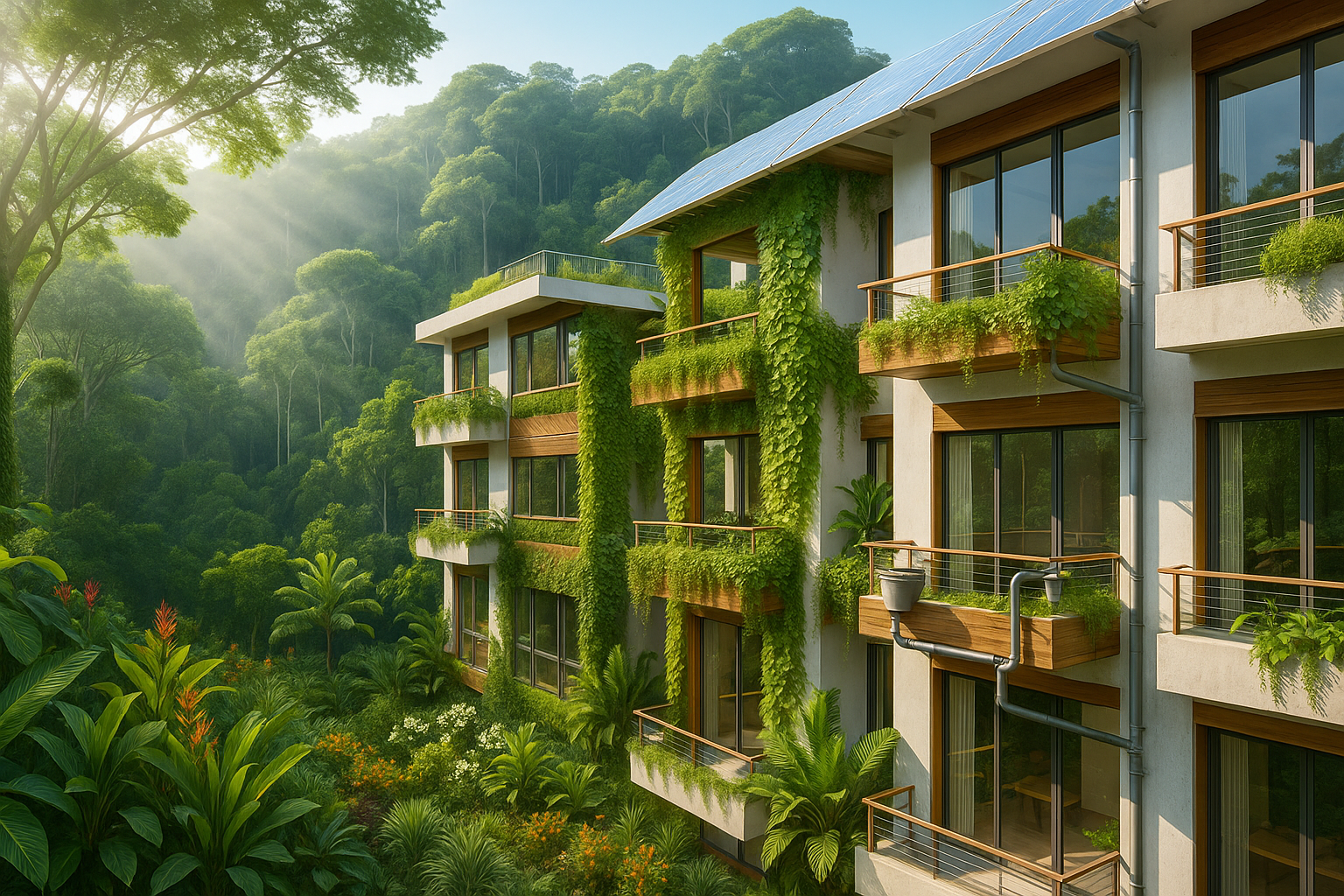
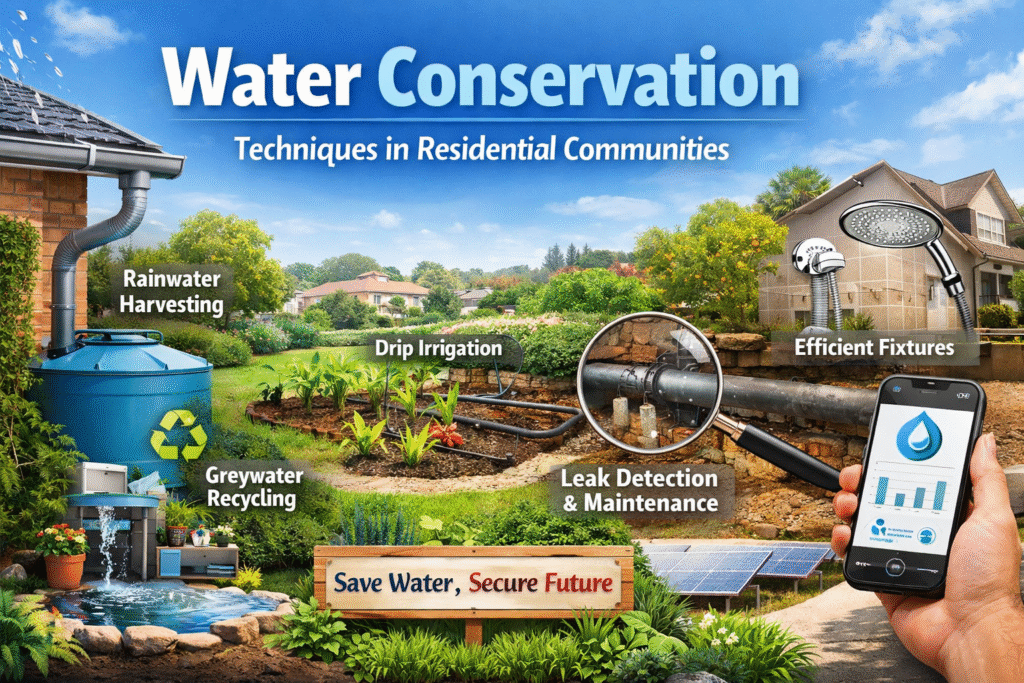
One of the most effective techniques for water conservation is rainwater harvesting. Simply put, this method involves collecting and storing rainwater for future use. For instance, residential communities can install rooftop collection systems that channel rainwater into storage tanks or recharge pits.
Furthermore, rainwater harvesting helps replenish groundwater levels. Instead of letting rainwater run off into drains, communities can direct it into the soil, thereby improving water availability in the long run. As a result, dependence on external water sources such as tankers can be reduced significantly.
Greywater Recycling: Reusing Water Smartly
Another powerful technique is greywater recycling. Greywater refers to wastewater generated from activities like washing dishes, laundry, and bathing. Although it is not suitable for drinking, it can be reused for non-potable purposes such as gardening and flushing toilets.
For example, communities can install simple treatment systems to filter greywater and redirect it for landscape irrigation. In doing so, they not only conserve fresh water but also reduce wastewater discharge. Consequently, this creates a more sustainable and efficient water management system.
Efficient Fixtures and Appliances
In addition to large-scale solutions, small changes can also make a big difference. Installing water-efficient fixtures such as low-flow showerheads, dual-flush toilets, and sensor-based taps can significantly reduce water usage.
Similarly, encouraging residents to use water-efficient appliances like washing machines and dishwashers can further enhance conservation efforts. Over time, these minor adjustments lead to substantial water savings across the entire community.
Smart Landscaping Practices
Landscaping is another area where water conservation can be effectively implemented. Traditional lawns often require large amounts of water for maintenance. However, communities can adopt smart landscaping techniques to reduce water usage.
For instance, planting native and drought-resistant plants requires less water and maintenance. Additionally, using drip irrigation systems instead of sprinklers ensures that water is delivered directly to plant roots, minimizing wastage. Moreover, watering plants during early morning or late evening hours reduces evaporation, thereby maximizing efficiency.
Leak Detection and Maintenance
Often, a significant amount of water is wasted due to unnoticed leaks in pipelines, taps, and storage tanks. Therefore, regular inspection and maintenance are essential.
Communities can implement routine checks to identify and fix leaks promptly. Furthermore, installing smart water meters can help monitor consumption patterns and detect unusual usage. As a result, residents become more aware of their water usage and can take corrective measures when needed.
Community Awareness and Participation
While infrastructure plays a vital role, community participation is equally important. Without active involvement from residents, even the best systems may fail to achieve desired results.
Therefore, organizing awareness campaigns, workshops, and meetings can help educate residents about the importance of water conservation. For example, communities can encourage simple habits such as turning off taps while brushing, using buckets instead of hoses for cleaning, and avoiding overwatering plants.
In addition, creating incentive programs for households that actively conserve water can motivate others to follow suit. Ultimately, a collective effort leads to a more sustainable and responsible community.
Water Audits and Monitoring
To ensure effective water management, communities should conduct regular water audits. A water audit involves analyzing water usage patterns, identifying areas of wastage, and implementing corrective measures.
By doing so, communities gain valuable insights into their consumption habits. Consequently, they can set realistic conservation goals and track progress over time. Moreover, continuous monitoring helps maintain accountability and ensures that conservation practices are consistently followed.
Use of Technology in Water Management
In today’s digital age, technology offers innovative solutions for water conservation. For instance, smart irrigation systems use sensors to determine soil moisture levels and water plants only when necessary.
Similarly, mobile apps and digital platforms can provide real-time data on water consumption. This enables residents and management committees to make informed decisions. As a result, technology enhances efficiency and simplifies water management processes.
Benefits of Water Conservation in Communities
Adopting water conservation techniques offers numerous benefits. Firstly, it ensures a reliable water supply, even during periods of scarcity. Secondly, it reduces dependency on external sources, thereby lowering costs.
Additionally, it promotes environmental sustainability by preserving natural resources. Furthermore, it enhances the overall quality of life for residents by creating a cleaner and greener living environment.
Conclusion
In conclusion, water conservation in residential communities is both a responsibility and an opportunity. By implementing techniques such as rainwater harvesting, greywater recycling, efficient fixtures, and smart landscaping, communities can significantly reduce water consumption.
Moreover, fostering awareness and encouraging participation among residents plays a crucial role in ensuring long-term success. As challenges related to water scarcity continue to grow, proactive measures become increasingly important.
Ultimately, every drop saved today contributes to a more sustainable tomorrow. Therefore, residential communities must come together to adopt water conservation practices and lead the way toward a water-secure future.