As climate change continues to reshape the way we live, the concept of housing is evolving rapidly. In particular, gated communities are no longer just about luxury, privacy, and security. Instead, they are increasingly becoming hubs of sustainable and resilient living. Therefore, designing climate-resilient gated communities has emerged as a crucial priority for architects, developers, and urban planners alike.
Understanding Climate Resilience in Housing
To begin with, climate resilience refers to the ability of a community to anticipate, prepare for, and respond to environmental challenges such as extreme heat, flooding, storms, and water scarcity. In the context of gated communities, this means creating living spaces that not only withstand climate impacts but also adapt and thrive despite them.
Moreover, resilience is not limited to physical structures alone. It also includes infrastructure, resource management, and community behavior. As a result, a holistic approach becomes essential when designing modern residential spaces.
Site Selection and Smart Planning
First and foremost, the foundation of a climate-resilient gated community lies in careful site selection. Developers must evaluate environmental risks such as flood zones, heat-prone areas, and seismic activity before construction begins. Consequently, choosing the right location significantly reduces long-term vulnerability.
In addition, smart land-use planning plays a vital role. For instance, preserving natural landscapes like wetlands and forests can act as buffers against floods and storms. Similarly, zoning strategies can ensure that critical infrastructure is located in safer areas within the community.
Climate-Responsive Architecture
Equally important is the role of architecture in enhancing resilience. Buildings should be designed to respond to local climatic conditions. For example, in hot regions, homes can incorporate passive cooling techniques such as cross-ventilation, shaded windows, and reflective roofing materials. On the other hand, in areas prone to heavy rainfall, elevated structures and proper drainage systems become essential.
Furthermore, using durable and sustainable materials ensures that buildings can withstand extreme weather conditions. Materials such as reinforced concrete, weather-resistant coatings, and insulated panels contribute to longevity and safety.
Water Management Strategies
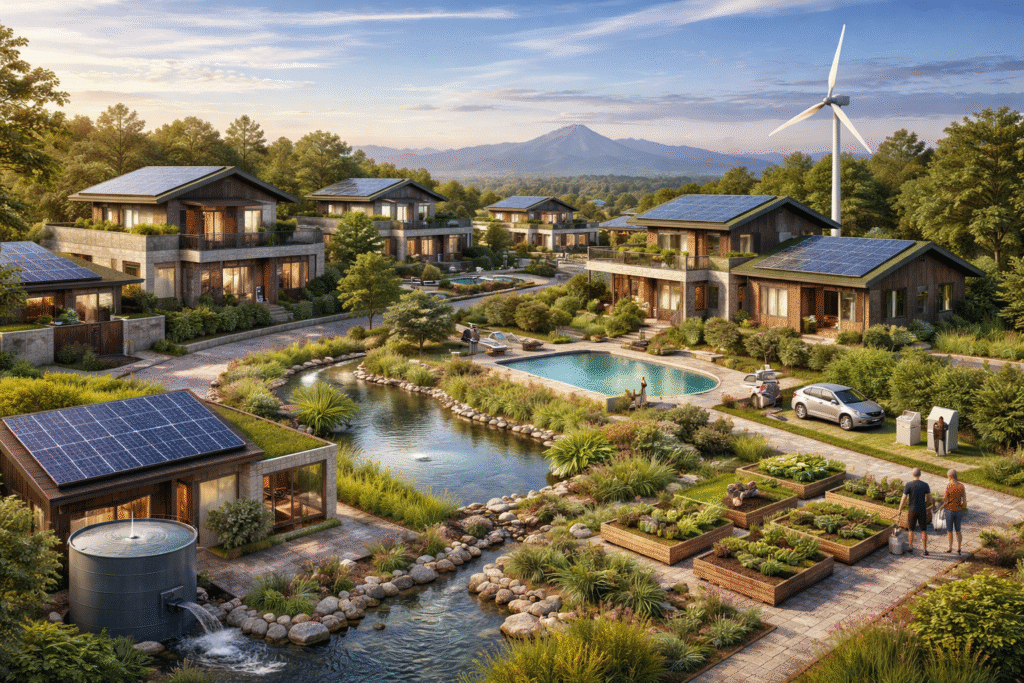
Water is one of the most critical resources in any residential community. Therefore, effective water management systems are indispensable. Rainwater harvesting, for instance, allows communities to capture and store water for future use. As a result, dependency on external water sources is reduced.
Additionally, advanced drainage systems help prevent waterlogging and flooding during heavy rains. Permeable pavements, bioswales, and retention ponds can efficiently manage stormwater while also replenishing groundwater levels.
Moreover, recycling and reusing wastewater for landscaping and non-potable purposes further enhances sustainability. In this way, gated communities can become more self-sufficient and environmentally responsible.
Energy Efficiency and Renewable Solutions
Another key aspect of climate resilience is energy management. Traditional energy systems often contribute to environmental degradation. Therefore, integrating renewable energy sources such as solar panels and wind turbines is a smart and sustainable choice.
In addition, energy-efficient appliances, LED lighting, and smart grids help reduce overall energy consumption. Consequently, residents not only lower their carbon footprint but also benefit from reduced utility costs.
Furthermore, backup energy systems ensure uninterrupted power supply during emergencies. This, in turn, enhances the overall resilience of the community.
Green Spaces and Biodiversity
Green spaces are not just aesthetic elements; they play a crucial role in climate resilience. For instance, trees and vegetation help reduce urban heat by providing shade and improving air quality. As a result, residents experience a more comfortable living environment.
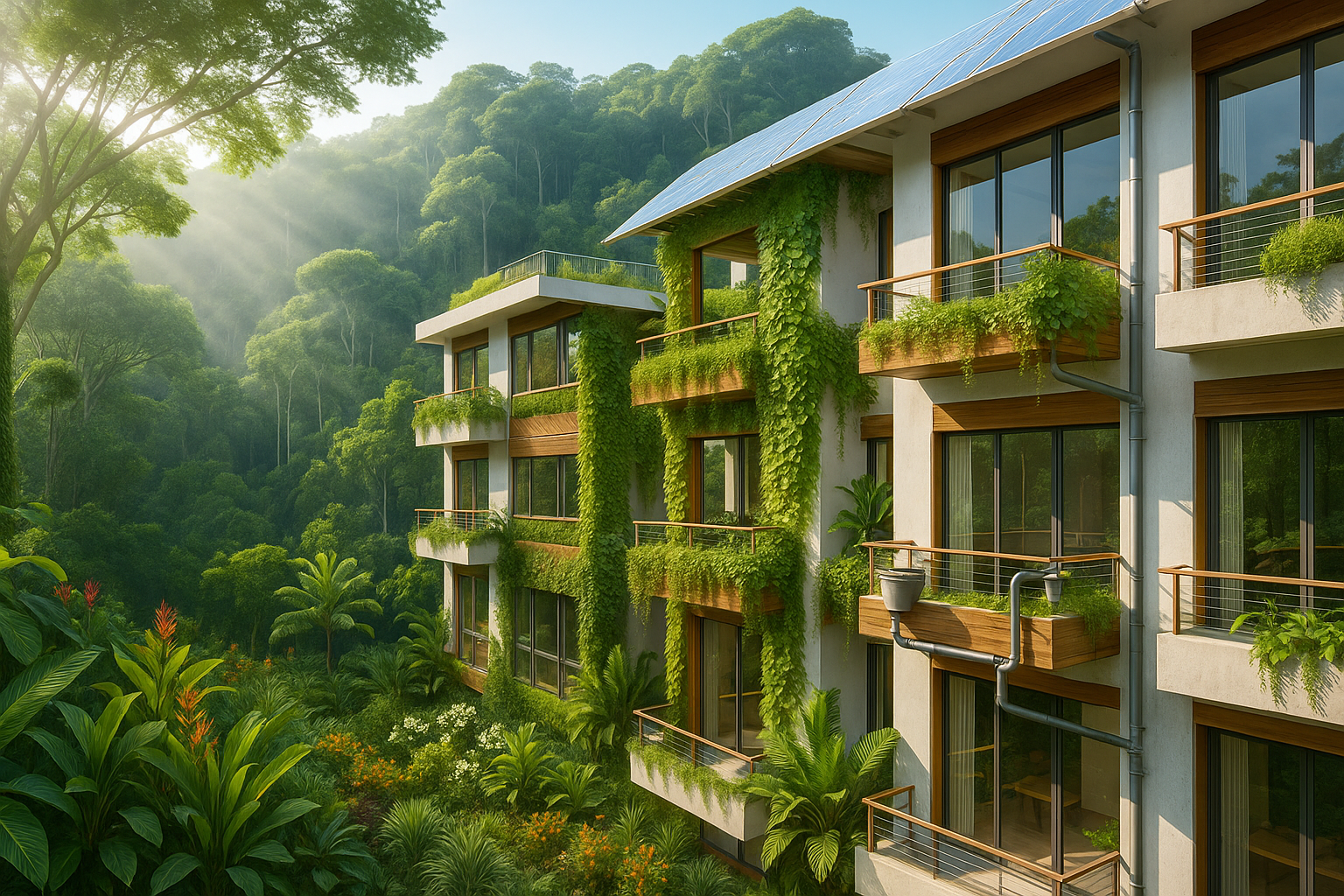
Moreover, incorporating biodiversity through native plants supports local ecosystems and requires less maintenance. Green roofs, vertical gardens, and community parks further contribute to environmental balance.
In addition, these spaces encourage outdoor activities and social interaction, thereby improving the overall quality of life within the community.
Smart Technology Integration
In today’s digital age, technology significantly enhances resilience. Smart systems can monitor weather conditions, energy usage, and water consumption in real time. Consequently, residents and management can respond quickly to potential risks.
For example, early warning systems for extreme weather events can help residents take necessary precautions. Similarly, automated irrigation systems ensure efficient water usage based on weather patterns.
Moreover, smart security and communication platforms improve coordination during emergencies, making the community safer and more prepared.
Waste Management and Sustainability
Effective waste management is another essential component of climate-resilient design. Segregation of waste at the source, along with recycling and composting, reduces environmental impact significantly.
Additionally, waste-to-energy technologies can convert organic waste into usable energy. As a result, communities can minimize landfill usage while generating additional resources.
Furthermore, awareness programs and community participation play a vital role in maintaining sustainable practices. When residents actively contribute, the overall effectiveness of these systems increases.
Community Engagement and Preparedness
While infrastructure and technology are important, human behavior is equally crucial. Therefore, fostering a sense of community and awareness among residents is essential.
Regular workshops, emergency drills, and sustainability initiatives help residents understand their role in climate resilience. In addition, community-led programs such as tree planting and water conservation campaigns encourage collective action.
Moreover, strong social connections within the community ensure better support during crises. This, in turn, enhances the overall resilience of the gated environment.
Challenges and the Way Forward
Despite the numerous benefits, designing climate-resilient gated communities comes with challenges. High initial costs, lack of awareness, and regulatory hurdles can slow down implementation. However, these challenges can be addressed through proper planning, government incentives, and public-private partnerships.
Looking ahead, the future of gated communities lies in innovation and sustainability. As climate risks continue to increase, adopting resilient design practices is no longer optional—it is a necessity.
Conclusion
In conclusion, designing climate-resilient gated communities requires a comprehensive and forward-thinking approach. From smart planning and sustainable architecture to advanced technology and community engagement, every aspect plays a vital role.
Ultimately, these communities not only provide safety and comfort but also contribute to a healthier and more sustainable planet. Therefore, by embracing climate resilience today, we can build stronger, smarter, and more secure communities for generations to come.