In recent years, the real estate industry has experienced a major transformation. Traditional housing is no longer enough for modern buyers who seek comfort, convenience, security, and sustainability. As technology continues to evolve, smart homes and smart communities have emerged as one of the most influential trends in residential living. Today, homeowners are not only interested in beautiful spaces but also in intelligent systems that improve their daily lives.
From automated lighting to AI-powered security systems, smart living is changing how people interact with their homes and neighborhoods. Moreover, gated communities are increasingly adopting advanced technologies to create safer, greener, and more connected environments. As a result, smart communities are becoming the preferred choice for families, professionals, and investors alike.
What Are Smart Homes?
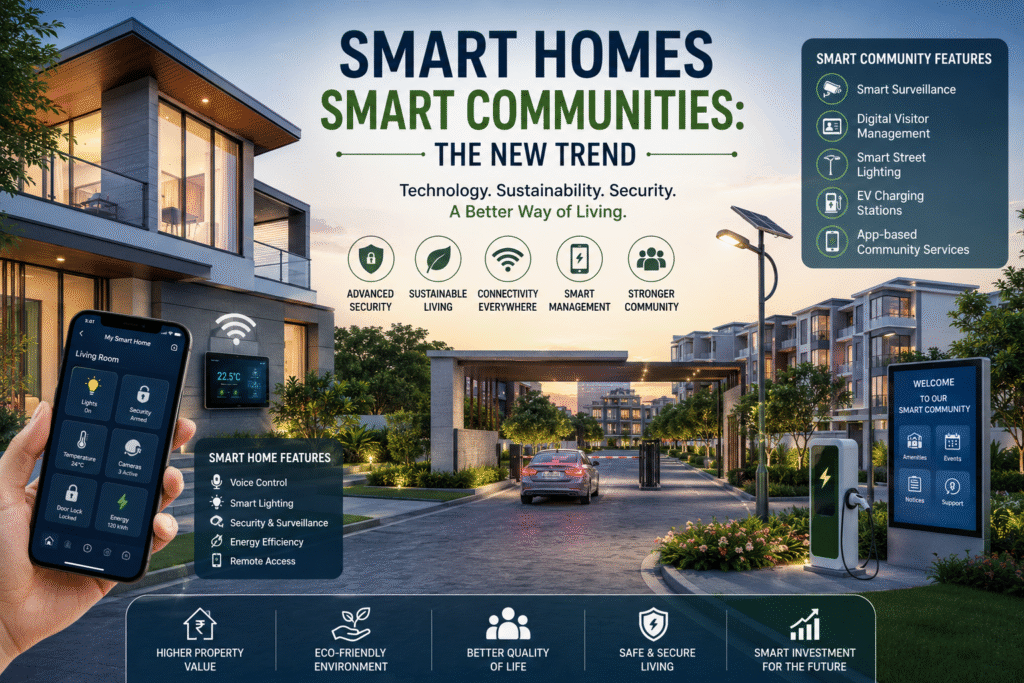
A smart home is a residence equipped with advanced technology that allows homeowners to control various devices remotely. These devices are usually connected through the internet and can be managed using smartphones, tablets, or voice assistants.
For example, smart homes may include:
- Automated lighting systems
- Smart thermostats
- Voice-controlled appliances
- Intelligent security cameras
- Remote door locking systems
- Energy-efficient smart devices
Because of these features, homeowners can enjoy greater convenience and efficiency. Furthermore, smart homes help reduce energy consumption, making them environmentally friendly as well.
The Rise of Smart Communities
While smart homes focus on individual living spaces, smart communities extend these technologies across entire residential developments. In other words, a smart community integrates technology into infrastructure, security, transportation, utilities, and recreational facilities.
Nowadays, many modern gated communities include:
- Smart surveillance systems
- Digital visitor management
- App-based maintenance requests
- Smart street lighting
- EV charging stations
- High-speed internet infrastructure
- Automated waste management systems
Consequently, residents enjoy a seamless and highly connected lifestyle. In addition, these communities promote efficient resource management and improved communication among residents.
Why Smart Living Is Becoming Popular
There are several reasons why smart homes and communities are gaining popularity around the world. Most importantly, people are looking for ways to simplify their lives while improving safety and comfort.
1. Enhanced Convenience
One of the biggest advantages of smart living is convenience. Residents can control appliances, lighting, and security systems from anywhere. For instance, homeowners can switch off lights remotely or monitor their homes while traveling.
Additionally, voice assistants make everyday tasks easier. Instead of manually operating devices, users can simply give commands through smart speakers.
2. Better Security
Security has become a top priority for homeowners. Therefore, smart communities invest heavily in advanced surveillance and access-control systems.
Features such as facial recognition entry, biometric access, and AI-enabled CCTV cameras significantly improve safety. Furthermore, instant alerts help residents respond quickly during emergencies.
As a result, families feel more secure living in smart communities compared to traditional neighborhoods.
3. Energy Efficiency
Another major reason behind this trend is sustainability. Smart systems optimize electricity and water usage, reducing wastage and lowering utility bills.
For example, smart thermostats automatically adjust room temperatures based on occupancy. Similarly, motion-sensor lighting systems help save energy by turning lights off when rooms are empty.
Consequently, smart homes support eco-friendly living while helping homeowners save money.
4. Improved Community Management
Technology also simplifies community management. Residents can use mobile applications to pay maintenance fees, book amenities, or report issues instantly.
Moreover, management teams can monitor water supply, waste disposal, and energy consumption more effectively. Therefore, overall operational efficiency improves significantly.
Smart Technology in Modern Gated Communities
Modern gated communities are adopting a wide range of innovative technologies to meet the expectations of today’s buyers.
Smart Security Systems
Security technology has advanced beyond traditional guards and gates. Today, communities use:
- AI-powered surveillance cameras
- Motion detection systems
- Smart visitor tracking
- Digital access cards
- Emergency response integration
Because of these innovations, unauthorized access becomes much more difficult.
Smart Amenities
Many communities now offer technology-enabled amenities such as:
- Smart gyms
- Automated parking systems
- App-controlled clubhouses
- Wi-Fi-enabled public spaces
- Smart irrigation for gardens
These features not only improve convenience but also enhance residents’ lifestyles.
Sustainable Infrastructure
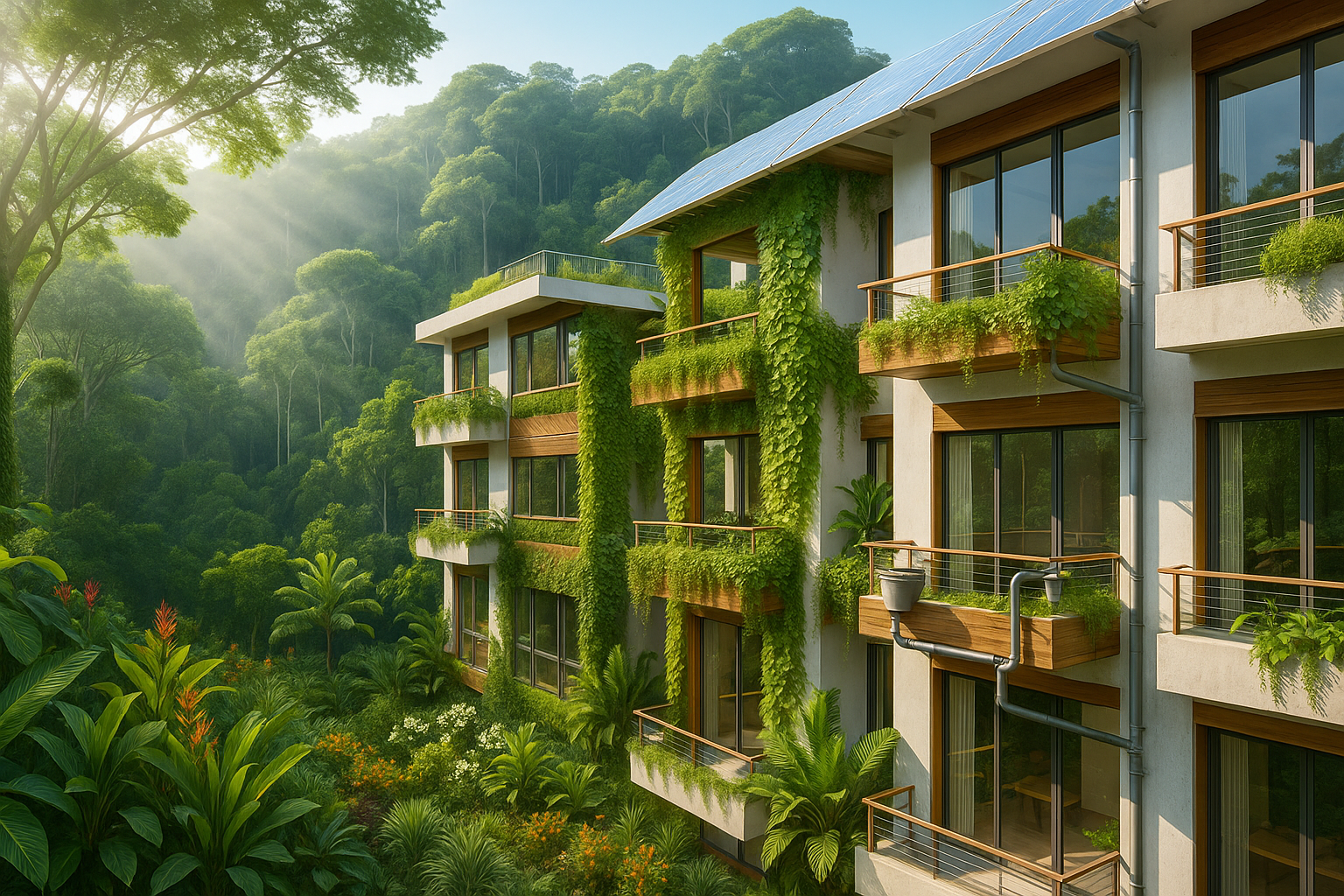
Sustainability is another important element of smart communities. Developers are increasingly focusing on eco-friendly infrastructure, including:
- Solar-powered common areas
- Rainwater harvesting systems
- Energy-efficient streetlights
- Electric vehicle charging stations
As environmental awareness grows, these sustainable solutions are becoming highly attractive to homebuyers.
The Impact on Property Value
Interestingly, smart homes and smart communities often have higher property values compared to traditional housing developments. Buyers are willing to pay more for advanced technology, improved security, and energy-efficient features.
Additionally, smart properties tend to attract younger buyers and working professionals who prefer tech-enabled lifestyles. Therefore, real estate investors see smart communities as profitable long-term investments.
Furthermore, properties with smart features may experience faster resale opportunities due to increasing market demand.
Challenges of Smart Communities
Despite their many advantages, smart communities also face certain challenges.
High Initial Costs
Installing advanced technology can be expensive. Developers must invest heavily in smart infrastructure, security systems, and digital platforms.
As a result, property prices in smart communities may be higher than conventional housing projects.
Privacy Concerns
Since smart systems collect large amounts of data, privacy concerns are becoming increasingly important. Residents may worry about how their information is stored and used.
Therefore, developers must ensure strong cybersecurity measures and transparent data policies.
Technology Maintenance
Smart systems require regular updates and maintenance. Without proper management, technical issues may disrupt daily operations.
Consequently, communities need skilled technical support teams to maintain efficiency.
The Future of Smart Living
The future of smart homes and smart communities looks extremely promising. As technology continues to evolve, residential living will become even more connected and intelligent.
In the coming years, experts expect to see:
- AI-powered home automation
- Smart traffic management inside communities
- Advanced renewable energy systems
- Robotic maintenance services
- Fully integrated digital ecosystems
Moreover, the rise of the Internet of Things (IoT) will further enhance communication between devices and infrastructure.
Because of these innovations, smart living will likely become a standard feature rather than a luxury option.
Why Buyers Prefer Smart Communities
Today’s homebuyers want more than just a house. They seek a complete lifestyle experience that combines comfort, safety, sustainability, and convenience.
Smart communities meet these expectations by offering:
- Modern amenities
- Efficient management systems
- Better environmental practices
- Stronger security
- Technology-driven living experiences
Furthermore, remote work trends have increased demand for digitally connected homes with reliable internet and smart workspaces.
As lifestyles continue to evolve, smart communities are expected to dominate the future real estate market.
Conclusion
Smart homes and smart communities are redefining modern living. By combining technology, sustainability, and convenience, these developments offer a superior lifestyle experience for residents. From automated security systems to energy-efficient infrastructure, smart living solutions continue to shape the future of residential real estate.
Although challenges such as high costs and privacy concerns remain, the benefits far outweigh the drawbacks. As technology becomes more affordable and accessible, smart communities will continue to grow in popularity worldwide.
Ultimately, smart living is no longer just a trend—it is becoming the future of housing itself.