In recent years, gated communities have evolved from simple residential clusters into sophisticated living ecosystems. Today, as technology continues to reshape everyday life, the concept of smart gated communities is rapidly gaining traction. These communities integrate advanced digital systems, sustainable practices, and enhanced security measures to offer residents a seamless and futuristic lifestyle. Therefore, understanding the future of smart gated communities is essential for homeowners, developers, and investors alike.
The Rise of Smart Living
To begin with, the demand for smart living has significantly increased due to changing lifestyles and technological advancements. People no longer seek just a home; instead, they desire a connected environment that simplifies daily tasks. As a result, gated communities are embracing smart technologies such as Internet of Things (IoT) devices, automated systems, and centralized management platforms.
Moreover, smart homes within these communities allow residents to control lighting, temperature, and security systems remotely. Consequently, this level of convenience enhances comfort and efficiency, making smart gated communities highly desirable in urban and suburban areas.
Integration of Advanced Security Systems
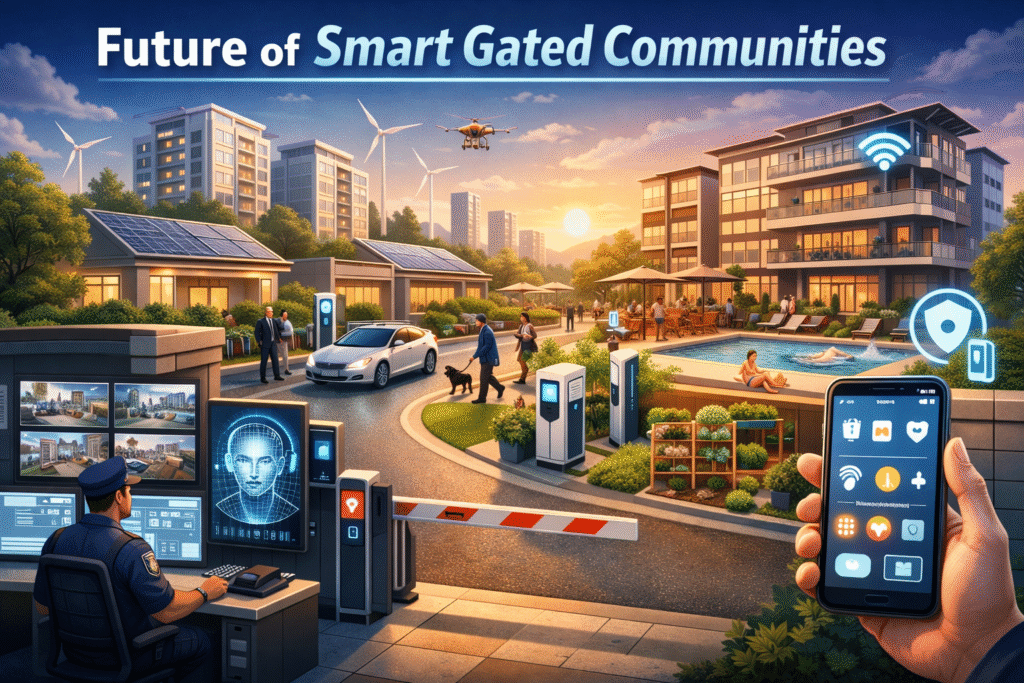
One of the most important aspects of gated communities has always been security. However, in the future, security will go beyond traditional guards and CCTV cameras. For instance, facial recognition, biometric access control, and AI-powered surveillance systems are becoming standard features.
In addition, these technologies can detect unusual activities and alert authorities in real time. Therefore, residents can enjoy a heightened sense of safety and peace of mind. Furthermore, smart security systems reduce human error and ensure a more reliable protection mechanism.
Sustainable and Eco-Friendly Living
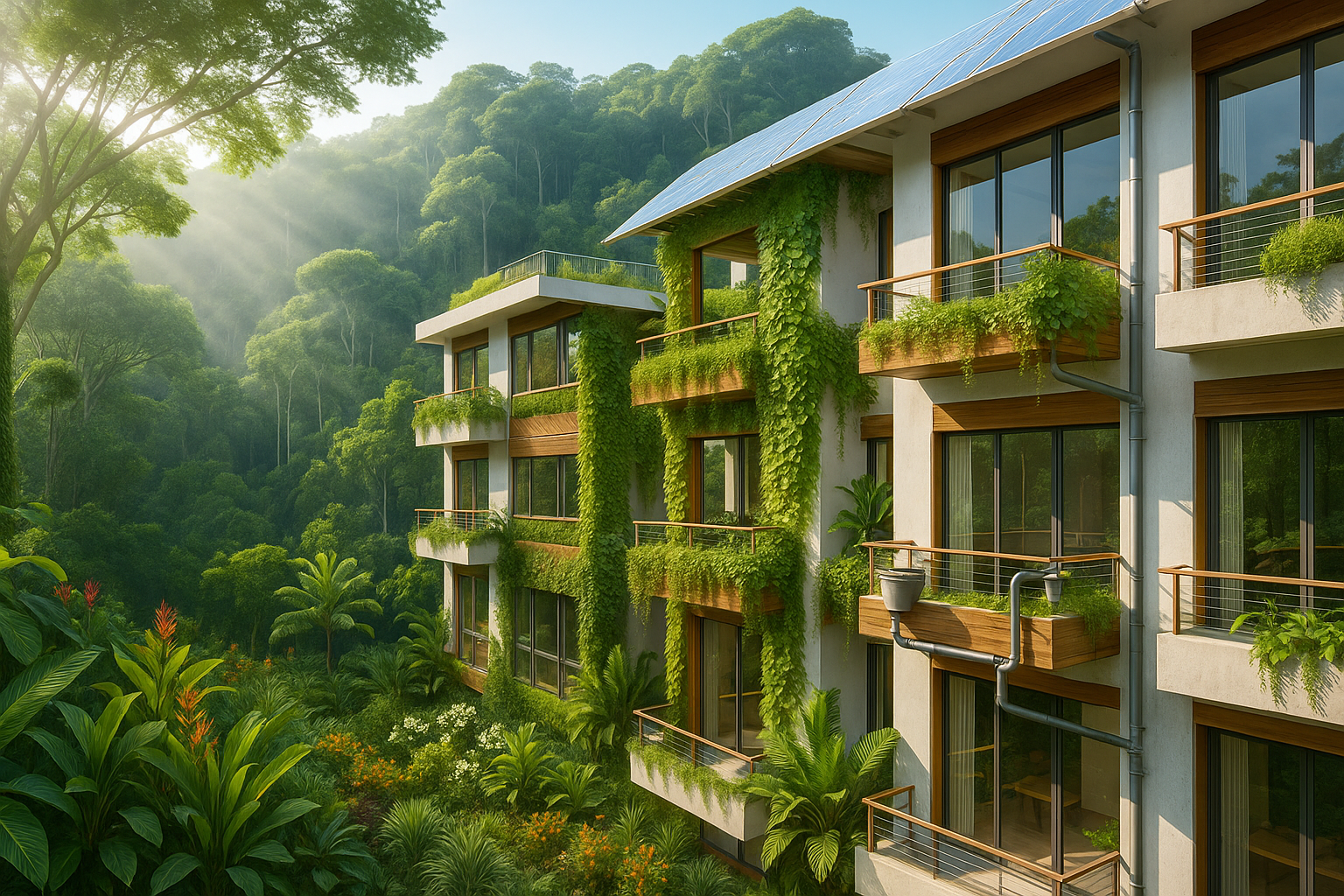
Another key trend shaping the future of smart gated communities is sustainability. As environmental concerns grow, developers are focusing on eco-friendly practices. For example, many communities are incorporating solar panels, rainwater harvesting systems, and energy-efficient appliances.
Similarly, waste management systems are becoming more advanced, with segregation and recycling processes integrated into daily operations. As a result, residents can lead a more sustainable lifestyle without compromising on comfort. In the long run, these initiatives not only benefit the environment but also reduce utility costs.
Smart Infrastructure and Connectivity
In addition to sustainability, smart infrastructure plays a crucial role in defining modern gated communities. High-speed internet connectivity, smart street lighting, and automated traffic management systems are becoming essential features. Consequently, residents experience smoother daily routines and improved quality of life.
Furthermore, smart parking solutions and electric vehicle (EV) charging stations are being widely adopted. As electric mobility continues to grow, these features will become indispensable. Thus, smart gated communities are not only future-ready but also aligned with global technological trends.
Role of Mobile Applications
Another significant development is the use of mobile applications for community management. These apps enable residents to book amenities, pay maintenance fees, and communicate with management effortlessly. In addition, they provide real-time updates on community events, security alerts, and maintenance schedules.
As a result, communication becomes more transparent and efficient. Moreover, these platforms foster a sense of community by encouraging interaction among residents. Therefore, digital management tools are transforming how gated communities operate.
Enhanced Lifestyle Amenities
Beyond technology, the future of smart gated communities also focuses on lifestyle enhancement. Modern residents expect more than basic facilities; they seek wellness and recreational options within their living space. For instance, communities now include smart gyms, co-working spaces, and wellness centers.
Additionally, features such as automated swimming pools, digital libraries, and entertainment zones are becoming popular. Consequently, residents can enjoy a balanced lifestyle without stepping outside their community. This convenience, in turn, adds significant value to the overall living experience.
Community Engagement and Social Living
While technology plays a central role, human connection remains equally important. Therefore, future smart gated communities aim to foster stronger social bonds among residents. Digital platforms and community apps often include forums and event planning features.
For example, residents can organize cultural events, fitness classes, and social gatherings with ease. As a result, a sense of belonging and community spirit is strengthened. Furthermore, such engagement contributes to mental well-being and a more fulfilling lifestyle.
Challenges and Considerations
Despite the numerous advantages, the transition to smart gated communities is not without challenges. Firstly, the cost of implementing advanced technologies can be high. Consequently, affordability becomes a concern for many potential buyers.
In addition, data privacy and cybersecurity are critical issues. As communities rely heavily on digital systems, protecting sensitive information becomes essential. Therefore, developers must invest in robust cybersecurity measures.
Moreover, there is a need for regular maintenance and updates to keep systems functioning efficiently. Without proper management, even the most advanced technologies can become ineffective. Thus, long-term planning and professional management are crucial.
The Role of Developers and Government
Looking ahead, both developers and government bodies play a vital role in shaping the future of smart gated communities. Developers must focus on innovation, quality, and sustainability while designing these projects. At the same time, government policies and incentives can encourage the adoption of smart technologies.
For instance, initiatives promoting renewable energy and smart city development can accelerate growth in this sector. Consequently, collaboration between public and private sectors will be key to achieving widespread adoption.
Future Outlook
In conclusion, the future of smart gated communities is both promising and transformative. As technology continues to evolve, these communities will become more efficient, secure, and sustainable. Moreover, the integration of smart systems will redefine how people interact with their living spaces.
Ultimately, smart gated communities are not just about advanced features; they represent a shift towards a more connected, convenient, and conscious way of living. Therefore, as demand continues to grow, these communities are set to become the cornerstone of modern urban development.