Introduction
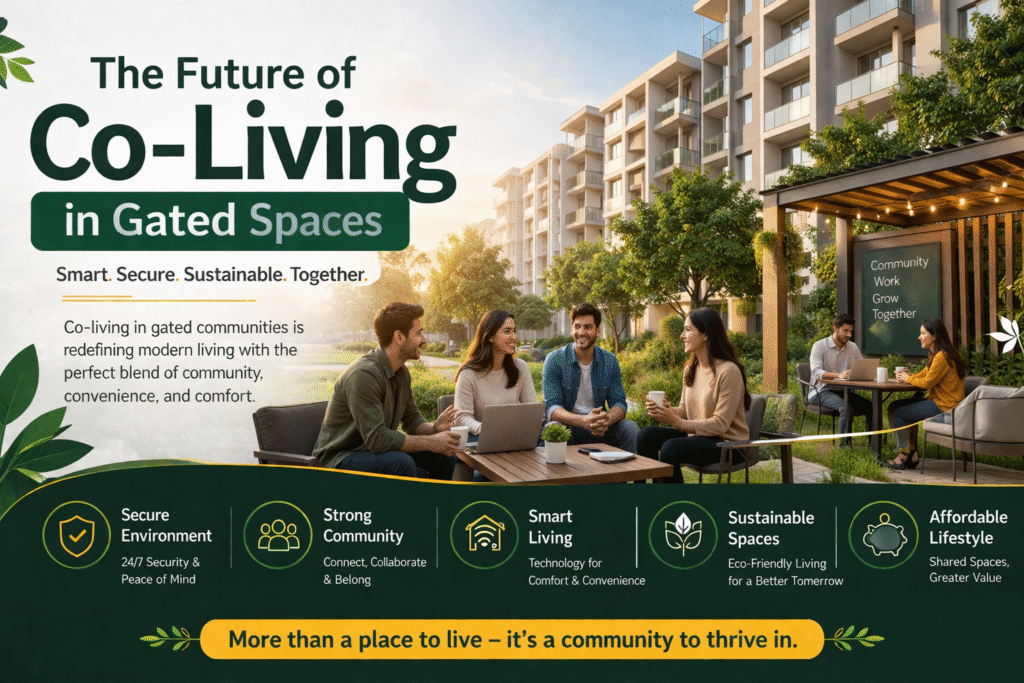
In recent years, the concept of co-living has steadily gained popularity, especially among young professionals, students, and digital nomads. At the same time, gated communities have evolved into modern hubs of comfort, security, and convenience. Now, as these two trends intersect, a new lifestyle model is emerging—co-living in gated spaces.
Not only does this combination offer affordability and flexibility, but it also fosters a strong sense of community. Therefore, it is important to explore how co-living within gated environments is shaping the future of urban living.
Understanding Co-Living in Gated Spaces
To begin with, co-living refers to a shared housing model where residents have private rooms but share common areas such as kitchens, lounges, and workspaces. On the other hand, gated communities provide secured, well-planned residential environments with amenities like parks, gyms, and surveillance systems.
When these two models merge, they create a balanced lifestyle. For instance, residents can enjoy both privacy and social interaction while benefiting from high-end infrastructure. As a result, co-living in gated spaces is becoming increasingly appealing.
Why Co-Living is Gaining Momentum
Firstly, affordability plays a major role. With rising property prices and rental costs, especially in urban areas, many individuals find it difficult to live independently. However, co-living allows residents to share expenses, making it a cost-effective solution.
Moreover, changing work cultures are contributing to this trend. As remote work and freelancing continue to grow, people seek flexible living arrangements. Consequently, co-living spaces within gated communities offer both comfort and adaptability.
In addition, social connectivity is another key factor. Unlike traditional apartments, co-living encourages interaction and collaboration. Therefore, residents often build meaningful relationships, which enhances their overall living experience.
The Role of Gated Communities
While co-living provides affordability and social engagement, gated communities add an extra layer of value.
For example, security is a major advantage. With controlled access, CCTV surveillance, and security personnel, residents feel safe and protected. Furthermore, gated communities offer a wide range of amenities such as swimming pools, fitness centers, and landscaped gardens.
As a result, co-living spaces within these communities provide a premium lifestyle at a relatively lower cost. In other words, residents can enjoy luxury without paying a high price.
Technology as a Driving Force
Another important aspect shaping the future of co-living in gated spaces is technology.
For instance, smart home systems are becoming increasingly common. Residents can control lighting, temperature, and security features through mobile apps. Additionally, digital platforms make it easier to manage bookings, payments, and maintenance requests.
Furthermore, community apps are enhancing communication among residents. Through these platforms, individuals can organize events, share updates, and resolve issues quickly.
Therefore, technology not only improves convenience but also strengthens the sense of community.
Changing Demographics and Preferences
Interestingly, the demand for co-living is not limited to young professionals anymore.
On one hand, students prefer co-living spaces for their affordability and convenience. On the other hand, working professionals value networking opportunities and flexible leases. Meanwhile, even retirees are beginning to explore co-living as a way to combat loneliness and stay socially active.
As preferences continue to evolve, developers are adapting their designs accordingly. For example, they are creating multi-functional spaces that cater to diverse needs.
Thus, co-living in gated communities is becoming more inclusive and versatile.
Sustainability and Shared Living
In addition to social and economic benefits, co-living also supports sustainability.
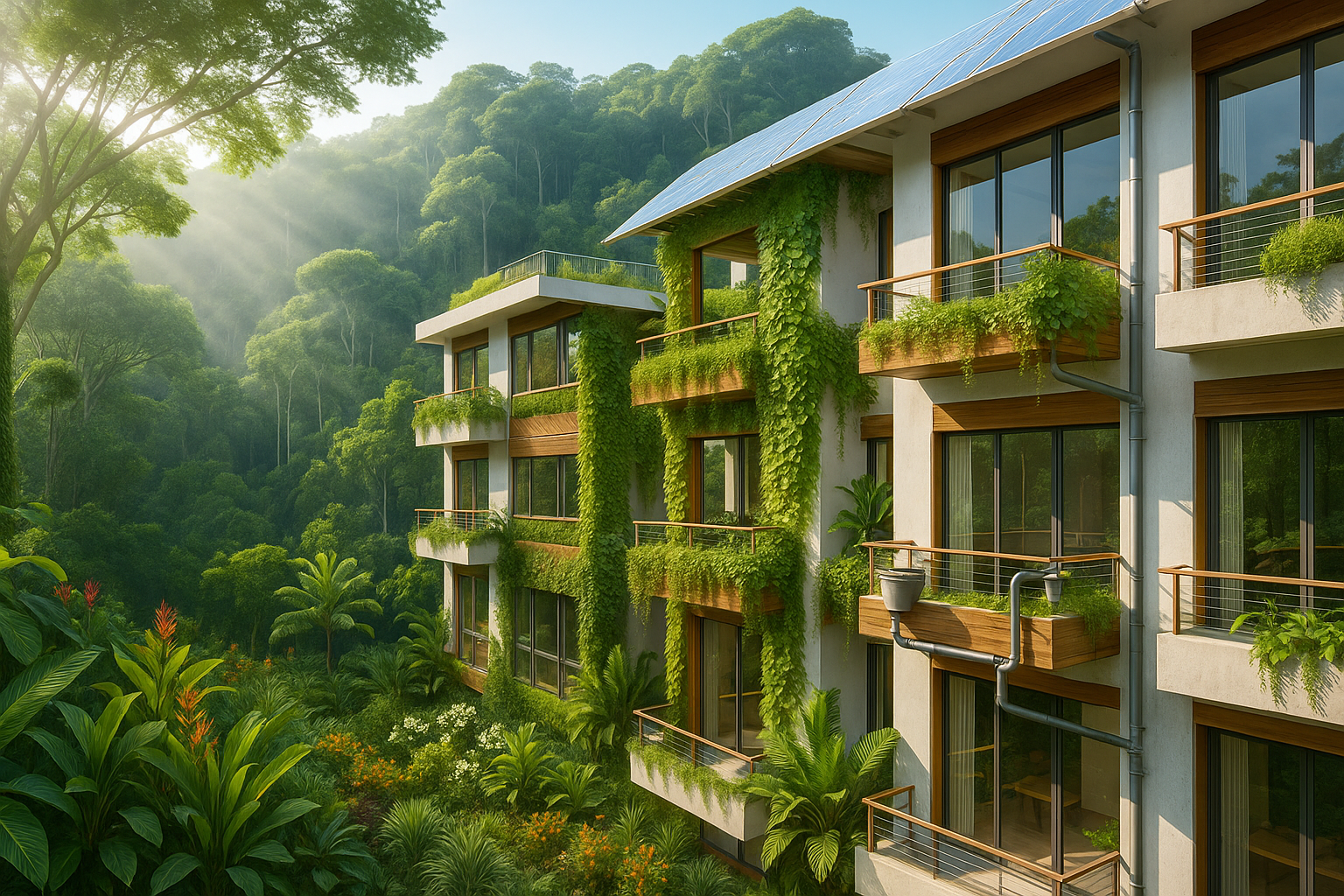
Since residents share resources such as appliances, utilities, and transportation, overall consumption is reduced. Moreover, many gated communities are adopting eco-friendly practices like rainwater harvesting, solar energy, and waste management systems.
Consequently, co-living spaces contribute to a greener and more sustainable future.
At the same time, shared living encourages responsible consumption and environmental awareness among residents.
Challenges to Overcome
Despite its advantages, co-living in gated spaces is not without challenges.
For instance, privacy concerns may arise, as shared spaces can sometimes lead to conflicts. However, proper design and clear guidelines can help address these issues.
Additionally, cultural differences among residents may create misunderstandings. Nevertheless, community-building activities and effective communication can foster harmony.
Another challenge is regulation. Since co-living is still a relatively new concept, legal frameworks may not always be clear. Therefore, policymakers need to establish guidelines to ensure fair practices and safety standards.
Future Trends to Watch
Looking ahead, several trends are likely to shape the future of co-living in gated spaces.
Firstly, hybrid living models will become more common. These models will combine private apartments with shared amenities, offering greater flexibility.
Secondly, wellness-focused designs will gain importance. Developers will incorporate features like meditation zones, green spaces, and fitness centers to promote holistic well-being.
Moreover, AI-driven management systems will streamline operations, making co-living more efficient and user-friendly.
Finally, partnerships between developers and co-living operators will increase, leading to more organized and professional services.
Conclusion
In conclusion, the future of co-living in gated spaces looks promising and dynamic. As urbanization continues and lifestyles evolve, this model offers a practical solution to modern housing challenges.
Not only does it provide affordability and flexibility, but it also fosters community, sustainability, and innovation. Furthermore, the integration of technology and thoughtful design enhances the overall living experience.
Although challenges exist, they can be addressed through proper planning and collaboration. Therefore, co-living in gated communities is set to redefine the way people live, interact, and grow together.
Ultimately, it is not just about sharing a space—it is about building a community that thrives on connection, convenience, and collective well-being.