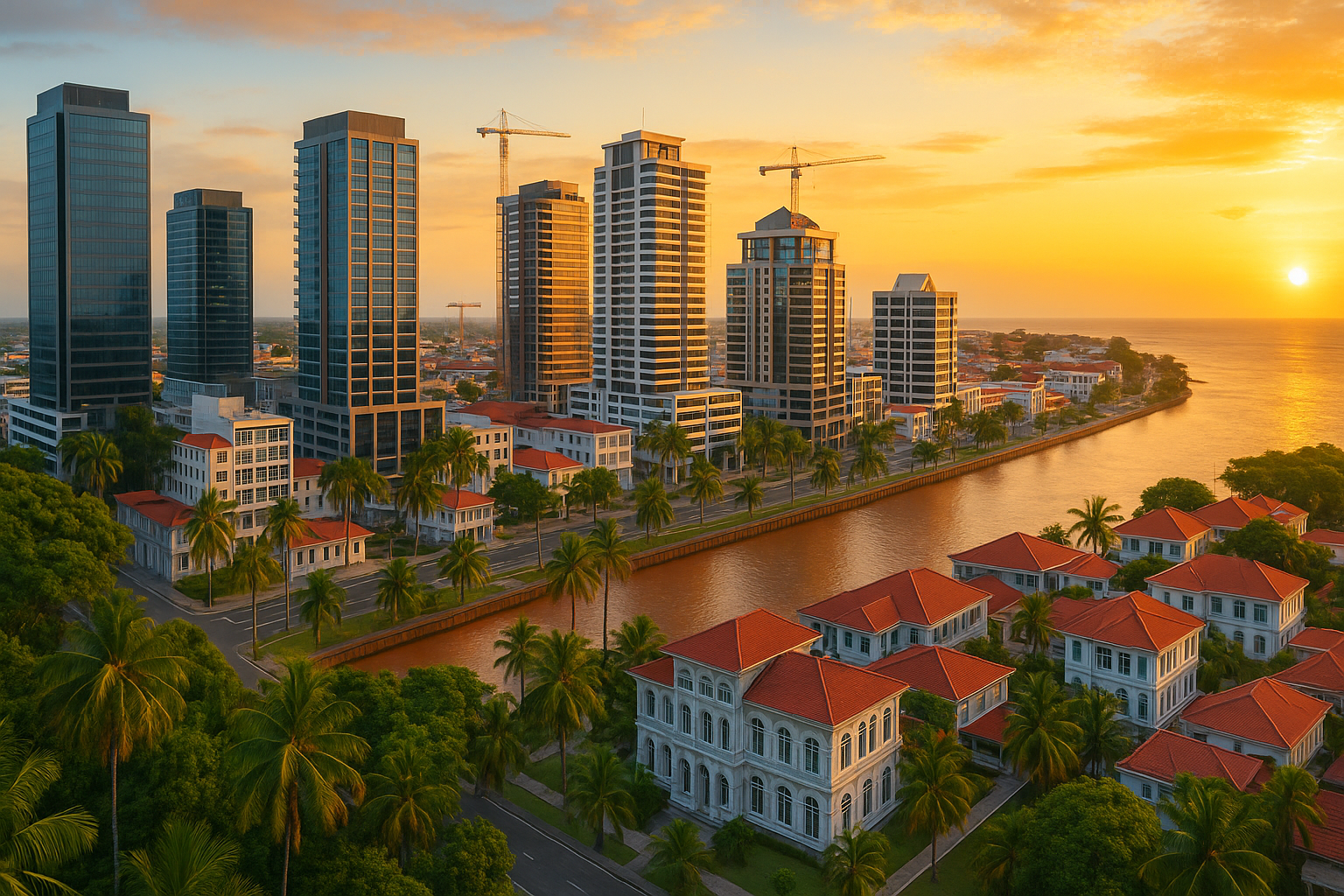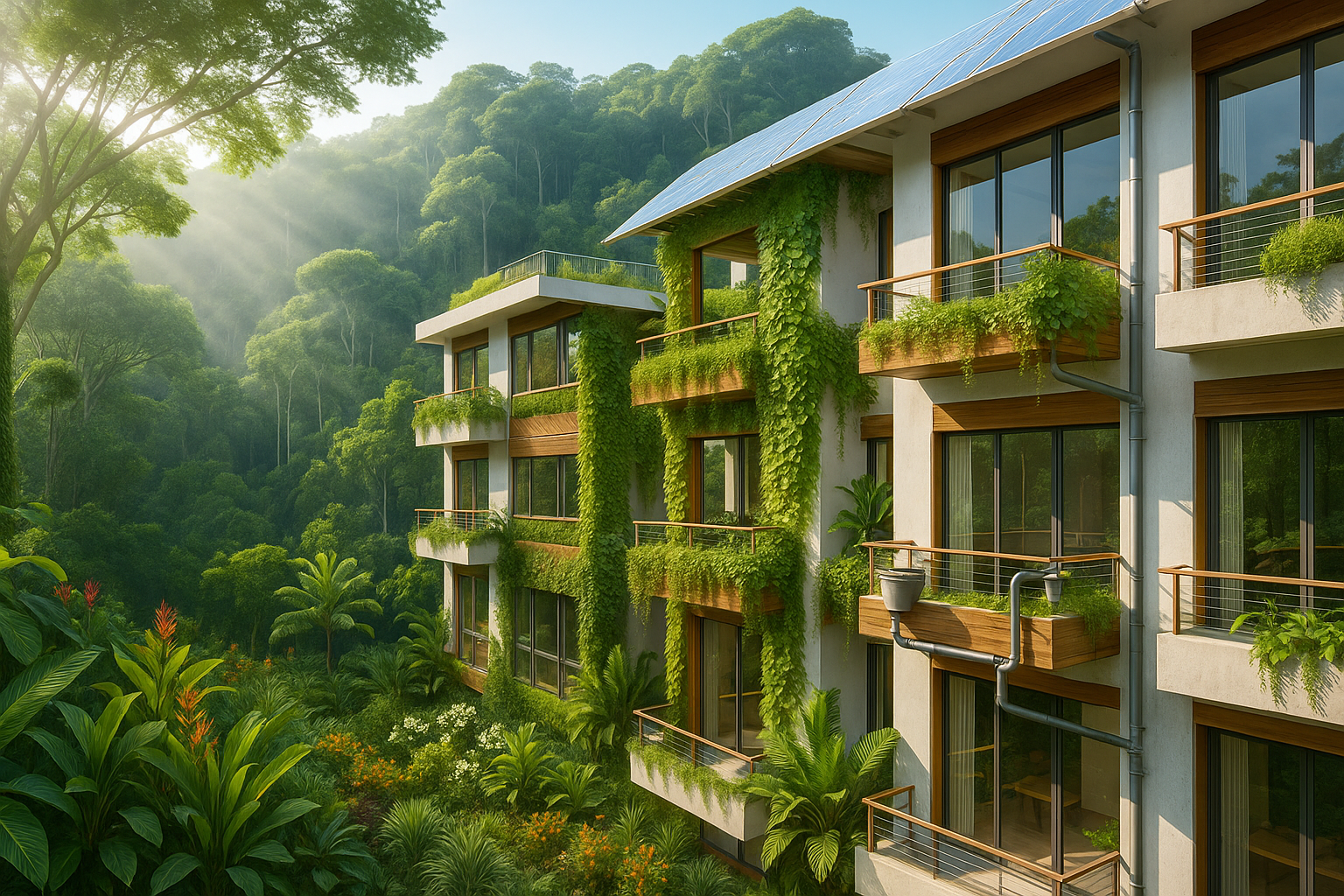
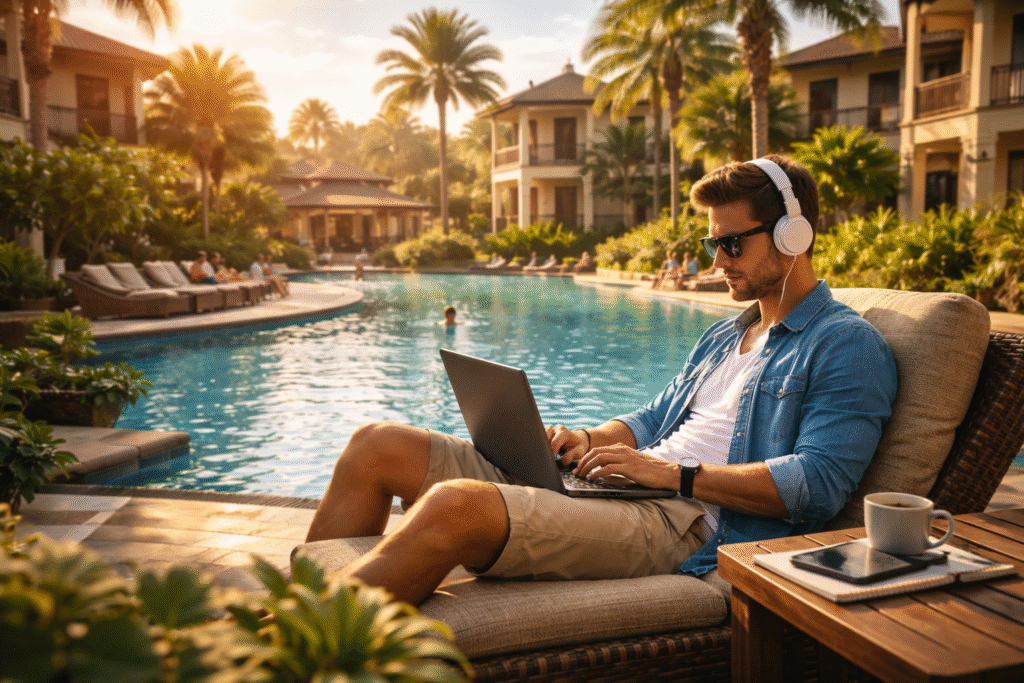
Over the past few years, the way people work has changed dramatically. Remote work, once considered a luxury or temporary arrangement, has become a long-term lifestyle for millions. As a result, housing preferences are shifting. Traditionally, city centers were the first choice for professionals because proximity to offices mattered. However, with laptops replacing cubicles, many remote workers are rethinking where they want to live.
So the question arises: Do gated communities attract remote workers more than city centers? The answer, interestingly, lies in lifestyle priorities, work habits, and the desire for balance.
The Shift from Commute to Comfort
First and foremost, remote workers no longer prioritize office proximity. Without the daily commute, the need to live near business districts has significantly decreased. Instead of calculating travel time, people are now evaluating internet speed, noise levels, and available space.
Consequently, gated communities have become appealing. These developments often offer larger apartments or villas compared to compact city-center units. Extra rooms can easily be converted into home offices. Moreover, quieter surroundings make video calls and focused work sessions easier.
In contrast, city centers, while vibrant and energetic, can sometimes feel overwhelming for someone spending most of their day at home
Space: The New Currency
Another major factor influencing remote workers is space. Since home is now both a living and working environment, spatial comfort matters more than ever.
Gated communities typically provide:
- Larger floor plans
- Balconies or terraces
- Green open areas
- Clubhouses and shared workspaces
As a result, residents don’t feel confined. After work hours, they can step into landscaped gardens or walk along internal pathways without leaving the premises.
On the other hand, city-center apartments often prioritize location over size. While they offer convenience, they may lack the breathing room that long-term remote work demands.
Amenities That Support Productivity
Interestingly, many modern gated communities are evolving to cater specifically to remote workers. High-speed fiber internet, power backup systems, co-working lounges, and even private meeting rooms are becoming common features.
Therefore, remote professionals find themselves in environments that are not just residential but also semi-professional.
Additionally, uninterrupted power supply and 24/7 security provide peace of mind. This stability can directly influence productivity. After all, worrying about safety or infrastructure issues can disrupt workflow.
Meanwhile, although city centers offer cafés and co-working hubs nearby, stepping out daily may defeat the purpose of working from home for some individuals.
Cost Considerations
Financially speaking, gated communities located slightly away from city cores often provide better value per square foot. Remote workers, who are no longer tied to central office districts, may prefer investing in comfort rather than convenience.
Furthermore, the money saved from commuting, dining out daily, and city-center rent can be redirected toward upgraded housing within gated developments.
However, it’s important to note that in some metropolitan areas, premium gated communities can also be expensive. Therefore, the choice ultimately depends on individual budgets and priorities.
Community and Social Balance
One overlooked aspect of remote work is isolation. Without office interactions, social circles can shrink. This is where gated communities offer an advantage.
Because they function almost like mini-neighborhoods, they often host events, fitness sessions, and festivals. Consequently, remote workers have opportunities to connect without traveling far.
For example, evening yoga classes, clubhouse gatherings, or weekend cultural events can create casual networking opportunities. These organic interactions may reduce loneliness, which is a common challenge in remote work lifestyles.
In contrast, city centers offer social opportunities too — restaurants, events, and nightlife. Yet, these interactions often require stepping outside intentionally rather than being integrated into daily living.
Nature and Mental Health
Equally important is mental well-being. Studies consistently show that access to greenery improves focus and reduces stress. Since remote workers spend more time at home, their environment plays a larger psychological role.
Gated communities usually integrate landscaped gardens, walking tracks, water features, and tree-lined pathways. Therefore, residents can take quick breaks outdoors between meetings.
City centers, although dynamic and culturally rich, may lack easy access to green spaces unless one lives near major parks.
As a result, remote workers seeking calm and balance often lean toward residential developments with nature-focused planning.
Connectivity Still Matters
Despite all these advantages, city centers still hold strong appeal for certain remote workers. For instance, freelancers and entrepreneurs who rely on networking events may prefer being close to business hubs.
Moreover, urban centers provide:
- Immediate access to public transportation
- Diverse dining and entertainment options
- Proximity to airports and major institutions
Therefore, individuals who value spontaneity and high-energy surroundings might still choose central locations.
In other words, while gated communities offer comfort and tranquility, city centers deliver vibrancy and opportunity.
Hybrid Work: The Deciding Factor
The growing trend of hybrid work further complicates the decision. Employees who visit offices two or three times a week may hesitate to move too far away.
Consequently, gated communities located in suburban areas with good connectivity are becoming particularly popular. They strike a balance between peaceful living and manageable commuting.
Thus, it’s not necessarily about choosing one over the other — it’s about finding the right middle ground.
The Rise of “Work-From-Anywhere” Culture
Another emerging trend is geographic flexibility. Some remote workers are relocating to smaller cities or outskirts where gated communities offer premium amenities at lower costs.
This “work-from-anywhere” mindset has accelerated interest in integrated townships and secure residential clusters outside traditional urban cores.
As long as internet infrastructure remains strong, the physical distance from city centers becomes less relevant.
So, Do Gated Communities Attract Remote Workers More?
In conclusion, gated communities are increasingly attractive to remote workers — particularly those prioritizing space, peace, security, and lifestyle amenities. The shift away from daily commuting has fundamentally changed housing decisions.
However, city centers still appeal to individuals who value energy, networking, and urban convenience.
Ultimately, the answer depends on personality, job flexibility, and lifestyle goals. Nevertheless, one thing is clear: remote work has transformed gated communities from optional luxury housing into practical, productivity-friendly living spaces.
And as remote work continues to evolve, housing trends will likely follow.