In the past, gated communities were often associated with homeownership, exclusivity, and long-term financial investment. However, over the last decade, the rental market has undergone a noticeable transformation. Today, developers are intentionally designing gated communities not just for buyers, but also for long-term renters. As lifestyles evolve and flexibility becomes more valuable, rental-friendly gated communities are emerging as a preferred choice for many urban residents.
So, how exactly are gated communities being designed to support and retain long-term renters? Let’s explore the shift in design philosophy, amenities, services, and community planning that are shaping this growing housing trend.
1. Prioritizing Comfort and Livability
First and foremost, modern gated communities are focusing on livability. Instead of treating rental units as temporary spaces, developers are designing them to feel like permanent homes.
For instance, apartments now feature larger layouts, better natural lighting, cross-ventilation, and functional balconies. In addition, high-quality finishes such as durable flooring, modular kitchens, and ample storage space are becoming standard. These features not only enhance comfort but also encourage renters to envision a long-term stay.
Moreover, soundproof walls and privacy-focused floor plans are increasingly common. As remote work continues to rise, renters expect quiet, productive home environments. Therefore, thoughtful interior design has become a key strategy in retaining tenants.
2. Flexible Leasing and Smart Rental Models
Beyond physical design, rental policies themselves are evolving. Traditionally, leases were rigid and often inconvenient. However, developers and property managers now recognize that flexibility is a major factor in long-term tenant satisfaction.
For example, many gated communities offer multi-year lease options with stable rent increases. Some even provide semi-furnished or fully furnished units to reduce moving hassles. As a result, renters can settle in without constantly worrying about relocation or unpredictable costs.
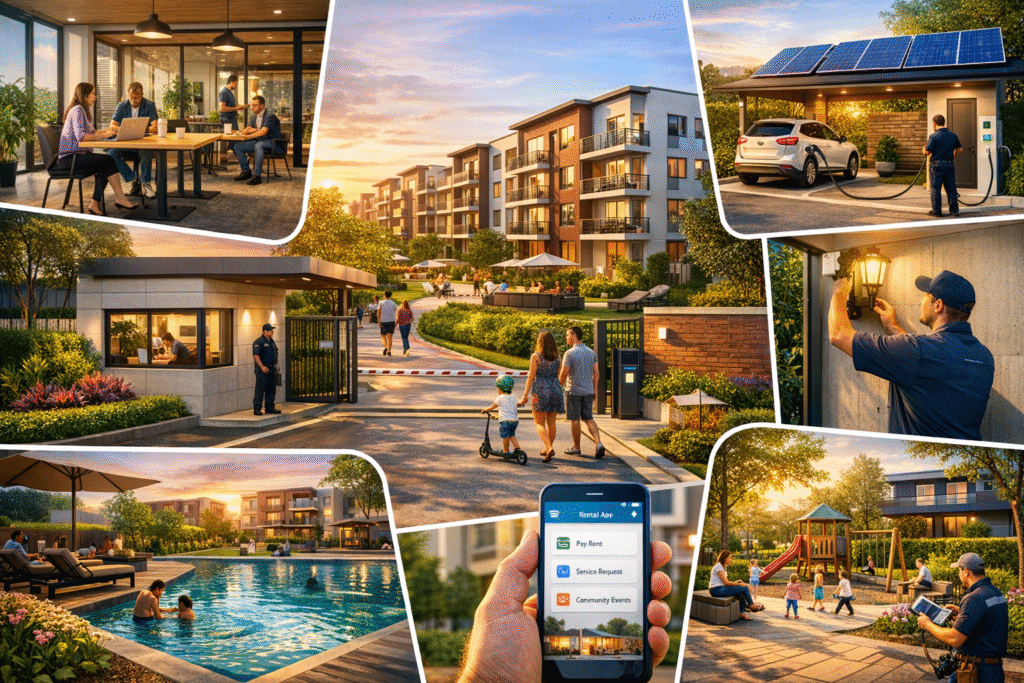
In addition, digital lease management systems and online rent payments have streamlined the rental experience. Through dedicated apps, residents can track payments, raise maintenance requests, and receive community updates. This seamless integration of technology improves convenience and strengthens tenant loyalty.
3. Community-Centric Amenities
Equally important, gated communities are redefining amenities to foster connection and lifestyle satisfaction. Previously, amenities like swimming pools and clubhouses were considered luxury add-ons. Now, they are strategic tools for long-term engagement.
For instance, many communities include co-working spaces, reading lounges, fitness centers, and jogging tracks. These facilities reduce the need for external memberships and make daily life more convenient. Consequently, renters feel less incentive to move elsewhere.
Furthermore, shared spaces such as landscaped gardens, barbecue areas, and multipurpose halls encourage social interaction. Community events, workshops, and festivals are often organized within the premises. Over time, these interactions help renters build relationships and a sense of belonging — which significantly increases retention.
4. Security and Peace of Mind
Security has always been a core feature of gated communities. Nevertheless, for long-term renters, it becomes even more crucial.
Modern gated developments incorporate 24/7 security personnel, CCTV surveillance, access-controlled entry points, and visitor management systems. Additionally, many communities now use digital gate passes and facial recognition technology for added safety.
As a result, renters — particularly families, elderly residents, and single professionals — feel more secure committing to a long-term stay. Peace of mind is not just a feature; it is a foundational design principle.
5. Sustainable and Green Living
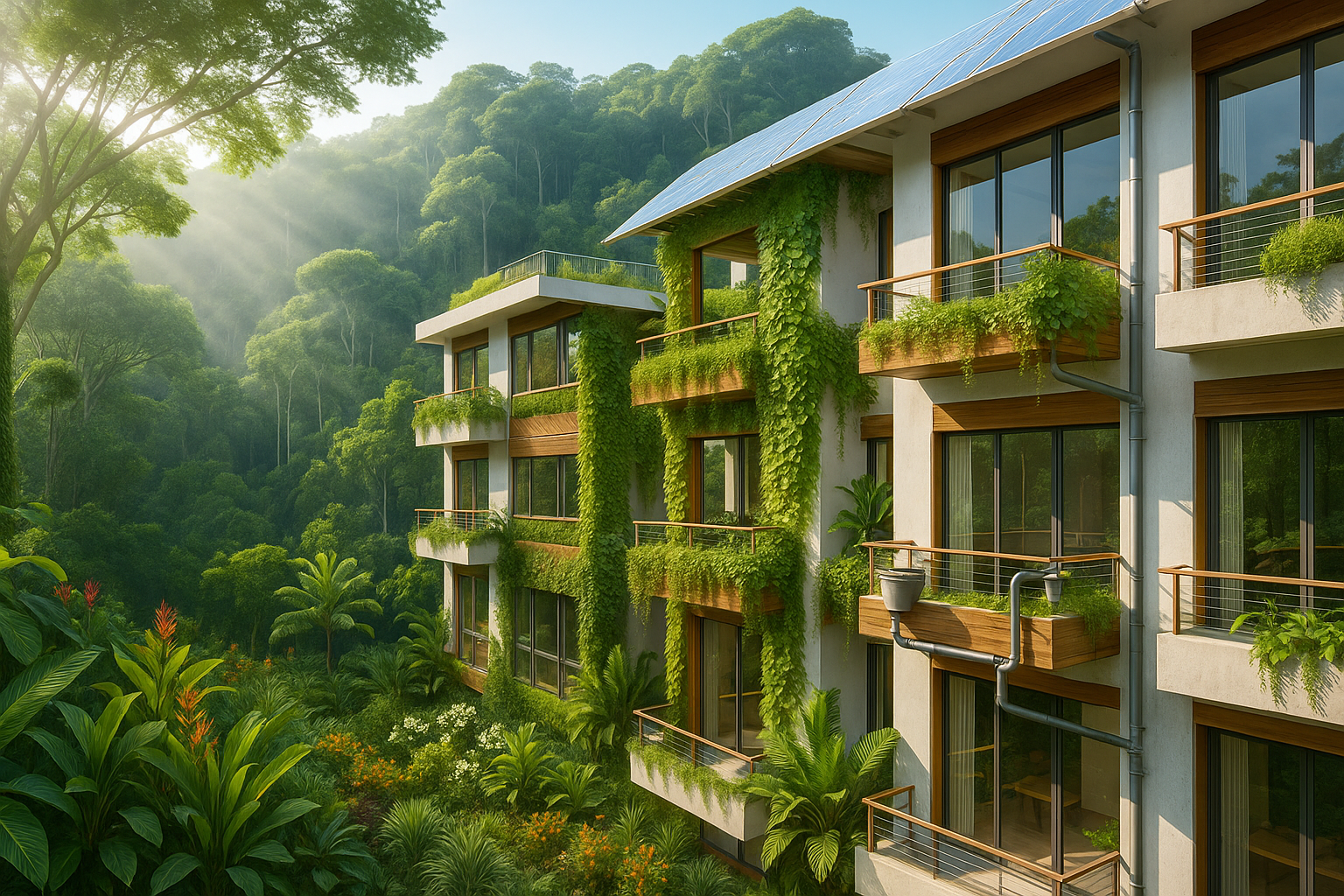
Another significant trend is the integration of sustainable design. Today’s renters are increasingly environmentally conscious. Therefore, developers are incorporating eco-friendly features to align with these values.
For example, rainwater harvesting systems, solar-powered lighting in common areas, and waste segregation facilities are becoming standard. Some communities even include electric vehicle charging stations and energy-efficient building materials.
In addition, open green spaces, tree-lined pathways, and rain gardens improve air quality and enhance overall well-being. These sustainable elements not only reduce environmental impact but also create healthier living environments. Consequently, renters are more inclined to remain in communities that reflect their personal values.
6. Designing for Work-From-Home Lifestyles
Since remote and hybrid work models have become mainstream, gated communities are adapting accordingly.
Many new developments now include dedicated co-working lounges with high-speed internet and meeting rooms. In some cases, individual units are designed with small study nooks or flexible rooms that can function as home offices.
Furthermore, improved Wi-Fi infrastructure and power backup systems ensure uninterrupted workdays. By supporting professional productivity, these communities eliminate one of the biggest reasons renters might otherwise relocate.
7. Family-Friendly Infrastructure
In addition to catering to professionals, developers are designing gated communities with families in mind. Long-term renters often include young couples planning families or parents seeking stability for their children.
Therefore, modern projects feature children’s play areas, daycare facilities, and safe internal roads with speed limits. Proximity to schools, hospitals, and retail centers is also carefully considered during site selection.
Moreover, pedestrian-friendly layouts and car-free zones allow children and seniors to move safely within the community. These design elements promote a sense of security and continuity, making renters more comfortable committing to multi-year stays.
8. Maintenance and Facility Management
One of the biggest advantages of gated living is professional maintenance. For long-term renters, this service is invaluable.
Dedicated facility management teams handle plumbing, electrical issues, landscaping, and common area upkeep. Additionally, preventive maintenance schedules ensure that infrastructure remains in top condition.
Because maintenance requests can often be submitted through mobile apps, problems are resolved quickly and efficiently. As a result, renters experience less stress and inconvenience — further strengthening their desire to stay.
9. Mixed-Use and Walkable Developments
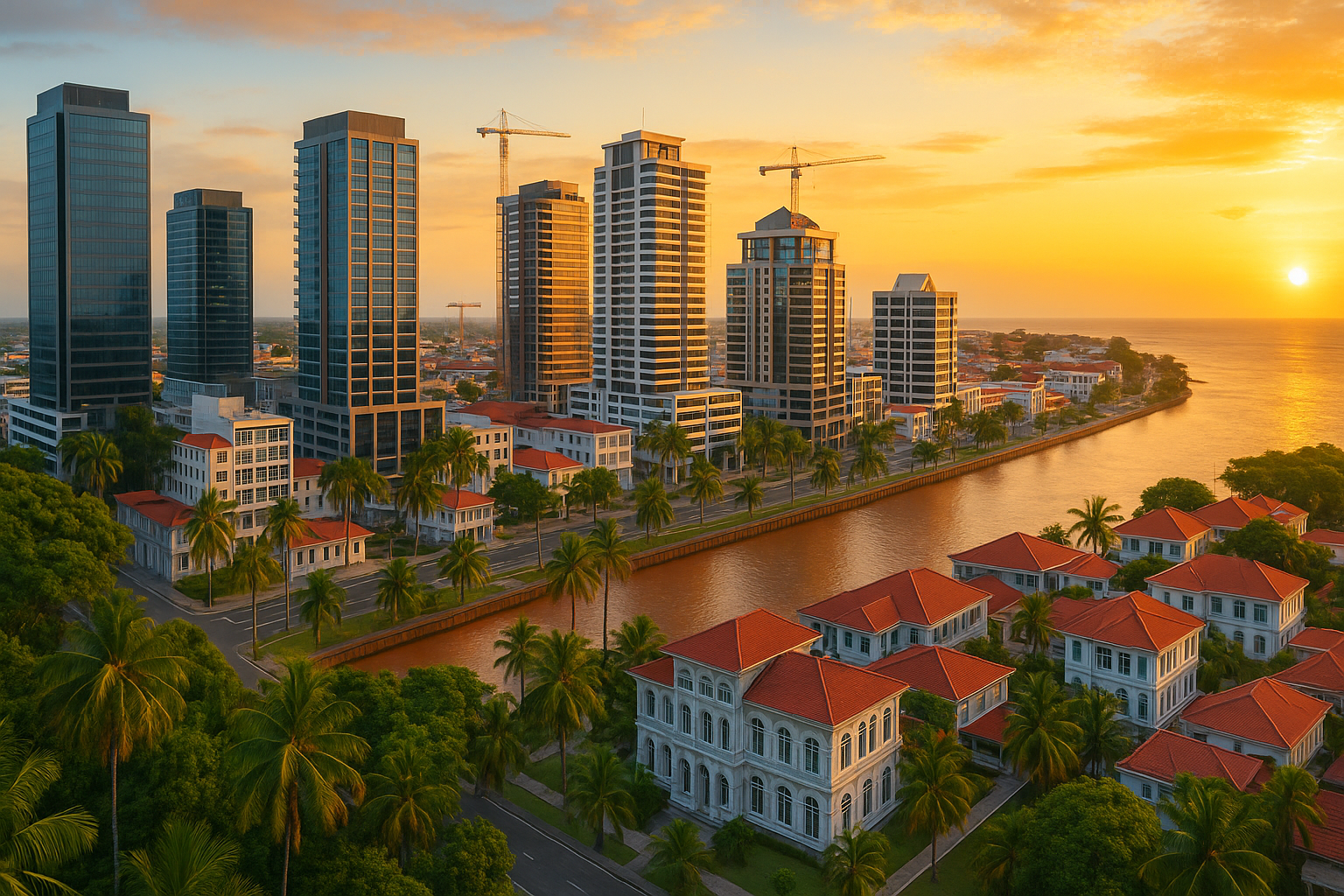
Interestingly, many gated communities are now designed as mixed-use developments. This means that residential towers coexist with retail outlets, cafes, pharmacies, and convenience stores.
By integrating daily essentials within walking distance, developers reduce dependency on long commutes. Consequently, renters enjoy enhanced convenience and a more balanced lifestyle.
Walkability, in particular, has become a central design focus. Wide sidewalks, cycling tracks, and shaded pathways promote healthier living while fostering spontaneous social interactions.
10. Creating a Sense of Belonging
Ultimately, the most important design shift is psychological rather than physical. Long-term renters seek stability and belonging. Therefore, developers are investing in branding, community storytelling, and resident engagement programs.
Welcome kits for new tenants, feedback surveys, and resident reward programs create emotional connections. Additionally, transparent communication between management and residents builds trust.
Over time, this sense of belonging transforms a rental unit into a true home. When renters feel valued and heard, they are far less likely to leave.
The Bigger Picture
In conclusion, gated communities are no longer designed solely for homeowners. Instead, they are evolving into thoughtfully planned ecosystems that cater to long-term renters. Through improved layouts, flexible leases, advanced security, sustainable practices, and community-focused amenities, developers are reshaping the rental experience.
As urbanization continues and lifestyle priorities shift, the line between renting and owning is gradually blurring. For many individuals and families, long-term renting in a gated community offers the perfect blend of flexibility, security, and comfort.
Therefore, it is clear that gated communities are not just adapting to renters — they are being strategically designed around them. And as this trend continues, long-term rental living may very well become the new standard in modern urban housing.