Construction is more than the act of assembling materials. It is the quiet conversation between imagination and earth, where ideas learn how to stand, endure, and serve. From the first line drawn on paper to the final walk-through of a finished space, this shapes how people live, work, and dream. Yet, behind every structure lies a layered story of planning, precision, and purpose.
The Foundation of Every Great Structure
At the heart of construction lies the foundation—both literal and symbolic. Before walls rise or roofs take form, the ground must be understood and respected. Soil testing, site analysis, and environmental considerations come first, because strength begins below the surface.
Moreover, a strong foundation is not only about concrete and steel. It also represents foresight. Decisions made at this stage determine durability, safety, and long-term value. As a result, careful groundwork prevents future failures and costly repairs.
Construction Planning Turns Vision Into Reality
Once groundwork is complete,planning becomes the driving force. This phase transforms architectural ideas into buildable solutions. Engineers, architects, and project managers collaborate to align design intent with practical execution.
At the same time, project management oversees budgets, schedules, permits, and coordination. Delays and unexpected challenges are common, but strong planning minimizes risks. As a result, well-managed projects maintain momentum and deliver consistent quality.
Construction Materials Define Strength and Character
Materials form both the backbone and personality of a building. Concrete provides durability, steel offers flexibility, wood adds warmth, and glass creates openness. Each material plays a role in balancing function and aesthetics.
In recent years, sustainable materials have gained importance. Recycled aggregates, energy-efficient insulation, and low-carbon concrete are now widely used. Consequently, modern construction reduces environmental impact while maintaining performance standards.
Skilled Labor Remains the Heart of Construction
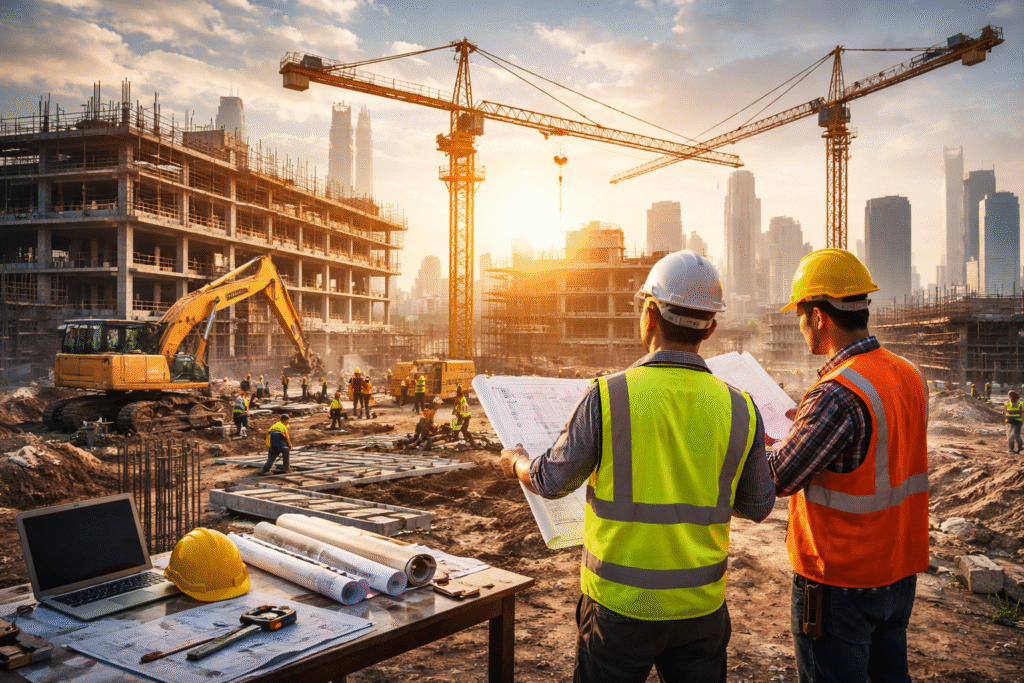
Although technology has transformed the industry, skilled labor remains irreplaceable. Craftsmen, technicians, and site workers bring experience that no machine can replicate. Their ability to adapt on a live site ensures accuracy and safety.
Furthermore, skilled labor enhances efficiency. When experienced workers understand construction materials and methods, errors decrease and productivity increases. Therefore, investing in workforce training strengthens the entire building process.
Additionally, drones, sensors, and real-time data help monitor progress and safety. As a result, technology enhances decision-making and transparency across projects. While tools evolve, they support—rather than replace—human expertise.
Construction Safety Protects People and Progress
Safety is a non-negotiable priority in the construction industry. Construction sites are dynamic environments where risk management is essential. Proper training, protective equipment, and clear protocols protect workers from harm.
Moreover, strong construction safety practices improve morale and productivity. When teams feel secure, they perform with confidence and focus. Therefore, prioritizing safety is not only ethical but also essential for project success.
Sustainable Construction Builds for the Future
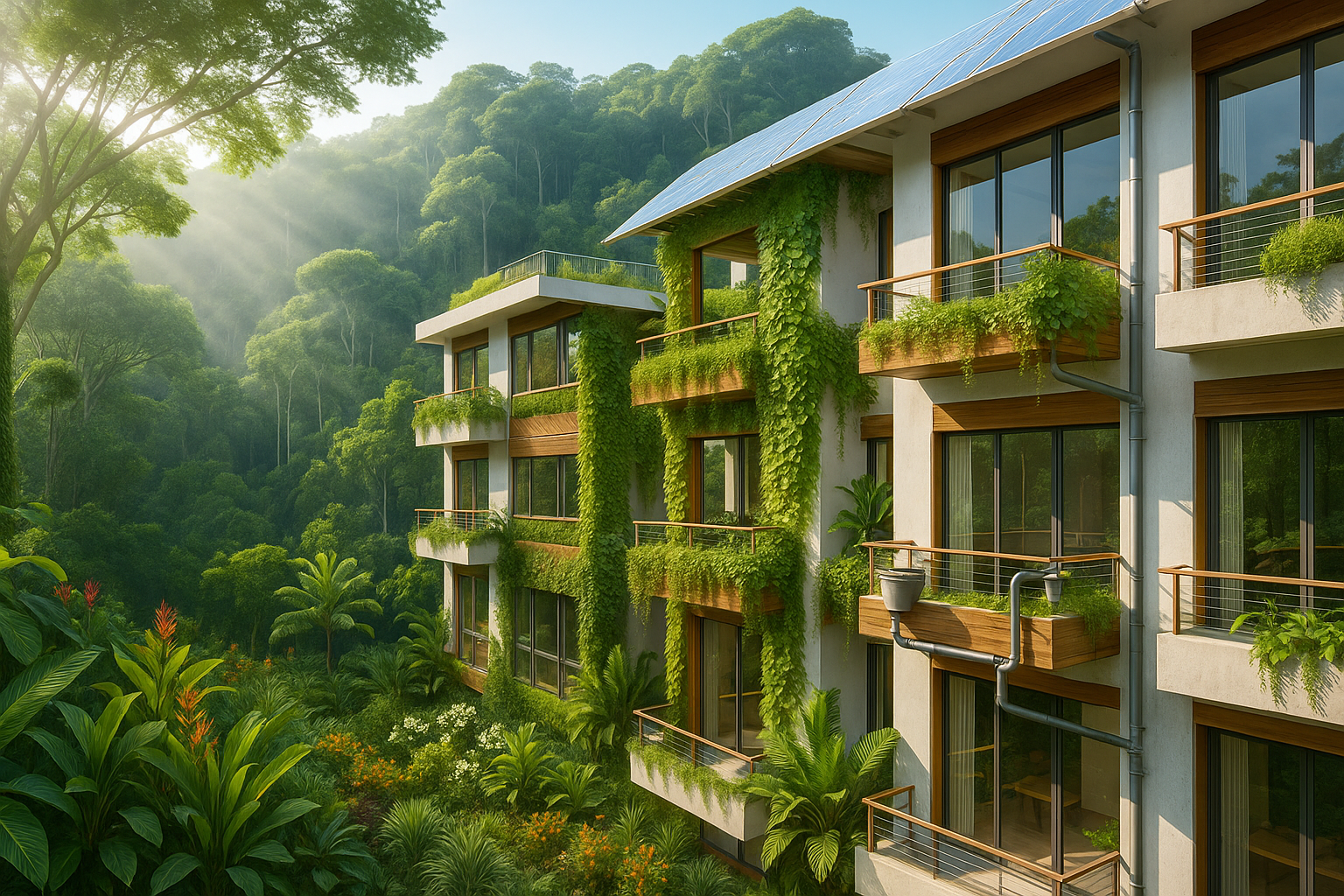
Sustainable is no longer optional—it is a responsibility. As resource consumption increases, the industry must reduce its environmental footprint. Energy-efficient designs, water-saving systems, and green building materials are now standard practices.
In addition, sustainable construction offers long-term benefits. Buildings designed for efficiency lower operating costs and increase property value. Consequently, sustainability supports both environmental and economic goals within the industry.
The Role of Construction Project Management
Construction project management ensures that every phase of the building process works together smoothly. From scheduling labor to sourcing materials, project managers maintain balance across complex operations.
Unexpected challenges such as weather delays or supply shortages are inevitable. However, effective project management anticipates issues and adapts strategies. As a result, projects remain resilient and outcomes stay consistent.
Construction Shapes Communities and Lifestyles
Construction does more than create buildings—it shapes communities. Residential construction defines neighborhoods, while commercial construction supports economic growth. Public spaces, schools, and hospitals directly impact quality of life.
Therefore, modern construction considers accessibility, functionality, and aesthetics. Buildings should serve people comfortably and inclusively. When construction aligns with community needs, it strengthens social connections and long-term usability.
Final Stages of theProcess
As bulding nears completion, attention shifts to finishing and quality checks. Inspections, testing, and final adjustments ensure the structure performs as intended. This stage transforms a construction site into a usable space.
Lighting, ventilation, and interior finishes define user experience. Ultimately, successful building is measured not just by durability, but by how naturally people interact with the space.
Challenges Drive Innovation
The industry faces ongoing challenges, including rising costs, labor shortages, and climate pressures. However, these challenges encourage innovation. New methods, smarter materials, and better planning continue to emerge.
Over time, lessons learned from each project improve industry standards. Consequently, it has becomes more efficient, resilient, and future-ready.
The Future of Construction
The future of this lies in balance. Smart buildings, modular buildings, and advanced planning tools will continue to evolve. However, the core purpose remains unchanged: to build spaces that support human life.
As itembraces innovation and sustainability, it will continue shaping the world responsibly and creatively.
Conclusion: Construction Builds More Than Structures
It is more than a technical process—it is a commitment to safety, durability, and progress. Every project represents trust placed in the industry to deliver reliable spaces for generations.
When this is done right, it fades into everyday life while quietly supporting moments, memories, and growth. That silent strength is the true success of modern construction.