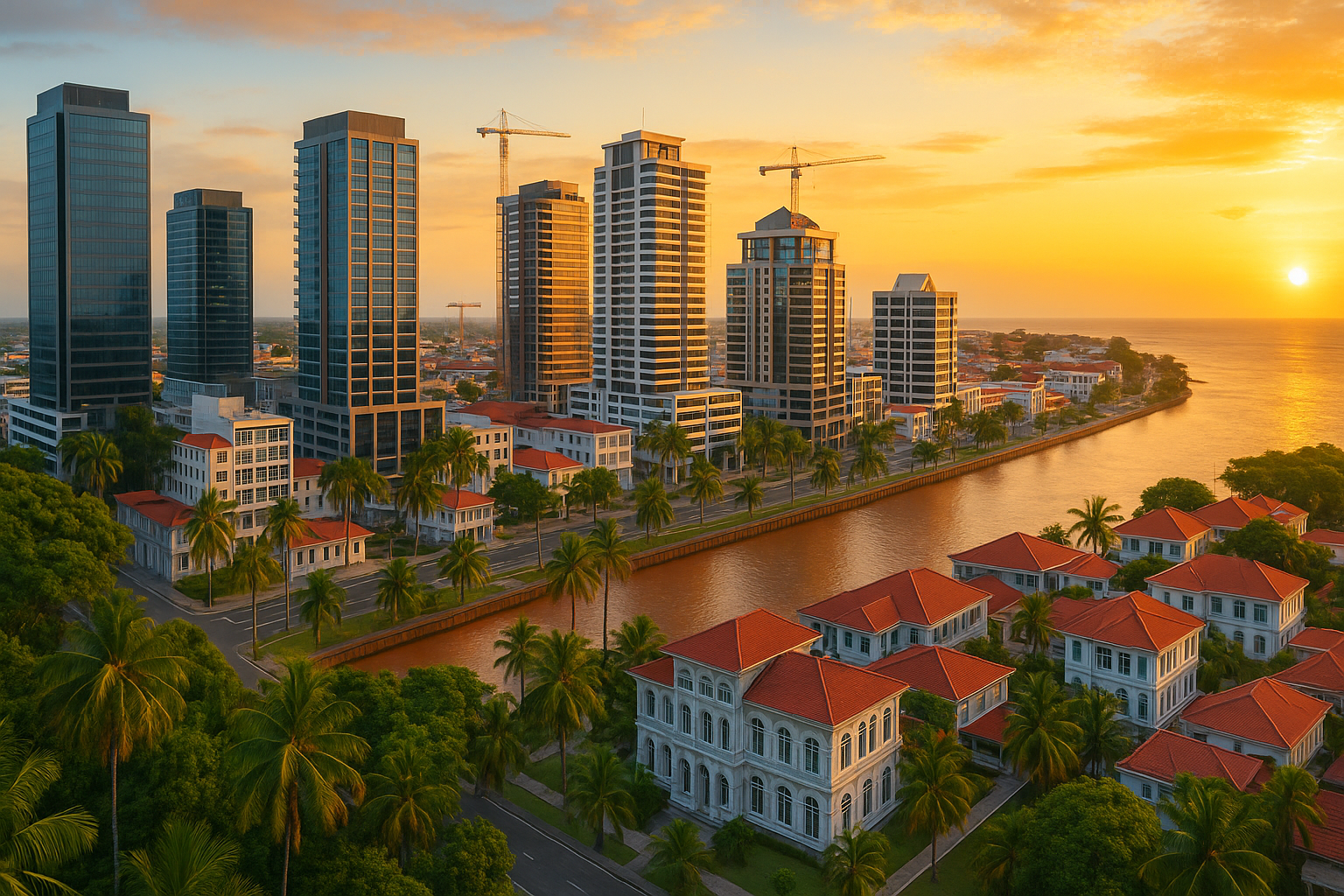
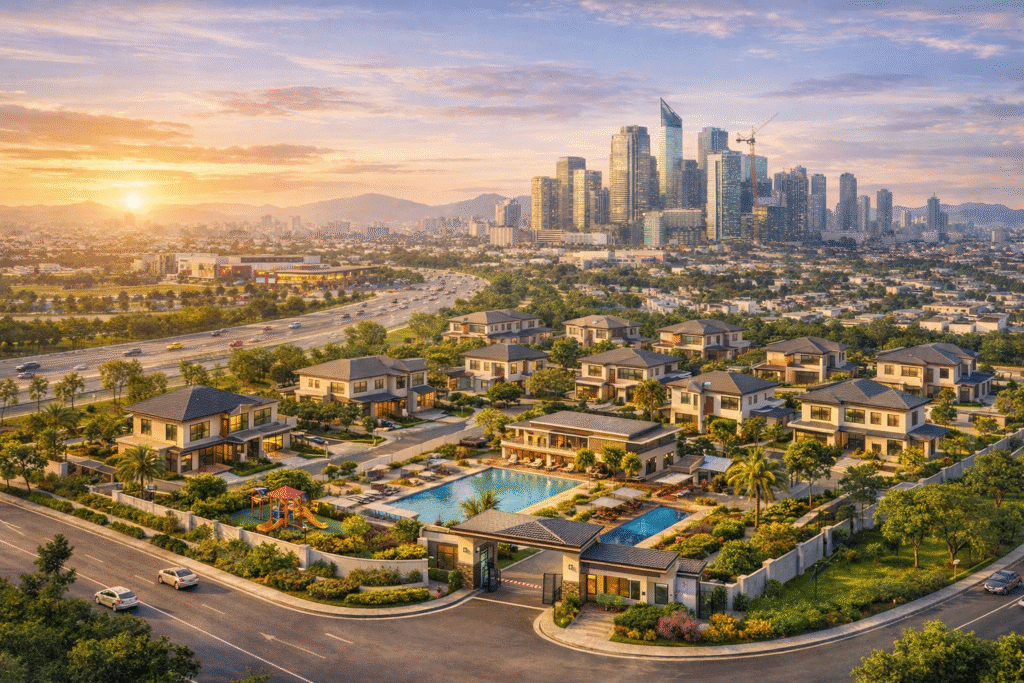
In many emerging cities around the world, the real estate landscape is evolving rapidly. As urban populations grow and lifestyles change, homebuyers are becoming more selective about where they choose to live. One trend that has significantly influenced property values in developing urban areas is the rise of gated communities. These planned residential developments offer enhanced security, organized infrastructure, and modern amenities. As a result, they often play a major role in increasing property appreciation in emerging cities.
The Rise of Emerging Cities
First and foremost, emerging cities are locations experiencing rapid economic growth, urbanization, and infrastructure development. These cities are attracting new industries, job opportunities, and populations. Consequently, the demand for quality housing is rising.
However, with rapid expansion also comes challenges such as traffic congestion, inconsistent infrastructure, and safety concerns. Because of this, many homebuyers prefer residential spaces that provide stability, security, and well-planned environments. This is precisely where gated communities enter the picture.
As developers respond to these needs, gated communities are becoming key drivers of real estate demand in growing urban areas.
Security as a Value Booster
One of the most significant reasons gated communities contribute to property appreciation is security. Compared to traditional neighborhoods, gated communities offer controlled access points, surveillance systems, and security personnel.
Therefore, families often feel safer living in these environments. Parents, in particular, appreciate the reduced risk for children playing outdoors. Likewise, elderly residents feel more comfortable in areas with monitored access.
Because security is a top priority for many homebuyers, properties located in gated communities often attract higher demand. As demand increases, property prices naturally rise over time. Consequently, homeowners in these developments frequently see stronger long-term property appreciation.
Planned Infrastructure and Better Maintenance
Another major factor influencing property value is infrastructure. In many emerging cities, public infrastructure may take time to develop fully. Roads, drainage systems, and public spaces might initially be inconsistent.
In contrast, gated communities are typically planned with complete infrastructure from the beginning. Developers include paved roads, proper drainage systems, landscaped gardens, and organized parking areas.
Moreover, gated communities often have homeowner associations or property management teams responsible for maintaining the neighborhood. Because of this consistent maintenance, the overall appearance and functionality of the community remain attractive for years.
As a result, the well-maintained environment helps preserve and increase property value over time.
Lifestyle Amenities Attract Modern Buyers
In addition to security and infrastructure, lifestyle amenities also play a crucial role in property appreciation. Modern gated communities frequently include facilities such as:
- Clubhouses
- Swimming pools
- Fitness centers
- Parks and walking trails
- Children’s play areas
- Community halls
These amenities create a comfortable and convenient lifestyle for residents. Furthermore, they reduce the need for residents to travel far for recreation or social activities.
As younger professionals and families move into emerging cities, lifestyle becomes an important factor when choosing a home. Therefore, communities that provide these conveniences tend to attract higher demand.
Over time, this increased demand helps boost property prices within the development.
Stronger Community Appeal
Another interesting aspect of gated communities is their ability to create a sense of community. Because the neighborhood is enclosed and shared amenities encourage interaction, residents often form closer social connections.
For example, neighbors may participate in community events, cultural celebrations, or sports activities together. Consequently, this sense of belonging makes the living environment more appealing.
When buyers search for homes in emerging cities, they are not only purchasing property but also looking for a place where they feel comfortable and connected. Gated communities often provide this balance of privacy and social interaction.
Because of this strong community appeal, properties within these developments remain desirable even as cities expand.
Influence on Surrounding Real Estate
Interestingly, gated communities do not only increase the value of properties within their boundaries. In many cases, they also influence the surrounding real estate market.
When a large, well-designed gated community is built in a developing area, it often attracts commercial businesses such as supermarkets, schools, cafes, and healthcare facilities nearby. As a result, the entire neighborhood begins to develop more rapidly.
Additionally, improved roads and transportation connections may follow increased residential demand. Because of these improvements, land values in the surrounding areas often rise as well.
Therefore, gated communities frequently act as catalysts for broader urban development.
Appeal to Investors
Investors also play a significant role in property appreciation. In emerging cities, investors often look for developments that promise stable returns and long-term value growth.
Gated communities tend to meet these criteria for several reasons. First, their organized infrastructure and amenities attract tenants, ensuring strong rental demand. Second, their reputation for safety and comfort makes them easier to market.
Consequently, investors are often willing to pay higher prices for properties within these developments. As more investors enter the market, property prices continue to rise.
This investment interest further contributes to the appreciation of homes in gated communities.
Future Growth Potential
Looking ahead, the influence of gated communities on property appreciation is likely to continue growing. As emerging cities expand, residents will increasingly seek organized and secure residential environments.
Moreover, advancements in smart technology are beginning to transform gated communities even further. Features such as smart security systems, automated entry gates, and energy-efficient infrastructure are becoming more common.
Because of these innovations, gated communities are evolving into modern lifestyle hubs rather than simple residential areas.
Therefore, properties within these developments may continue to experience strong demand and long-term value growth.
Conclusion
In conclusion, gated communities have become powerful drivers of property appreciation in emerging cities. Through enhanced security, planned infrastructure, lifestyle amenities, and strong community appeal, they create residential environments that attract modern buyers.
Furthermore, these developments often stimulate surrounding urban growth, increasing the value of nearby properties as well. Because they appeal to both homeowners and investors, gated communities frequently experience steady demand in growing real estate markets.
As emerging cities continue to develop, gated communities will likely remain an important factor shaping property values. For homebuyers and investors alike, they represent not only a comfortable place to live but also a promising opportunity for long-term real estate appreciation.