What Is a Low-Density Gated Community?
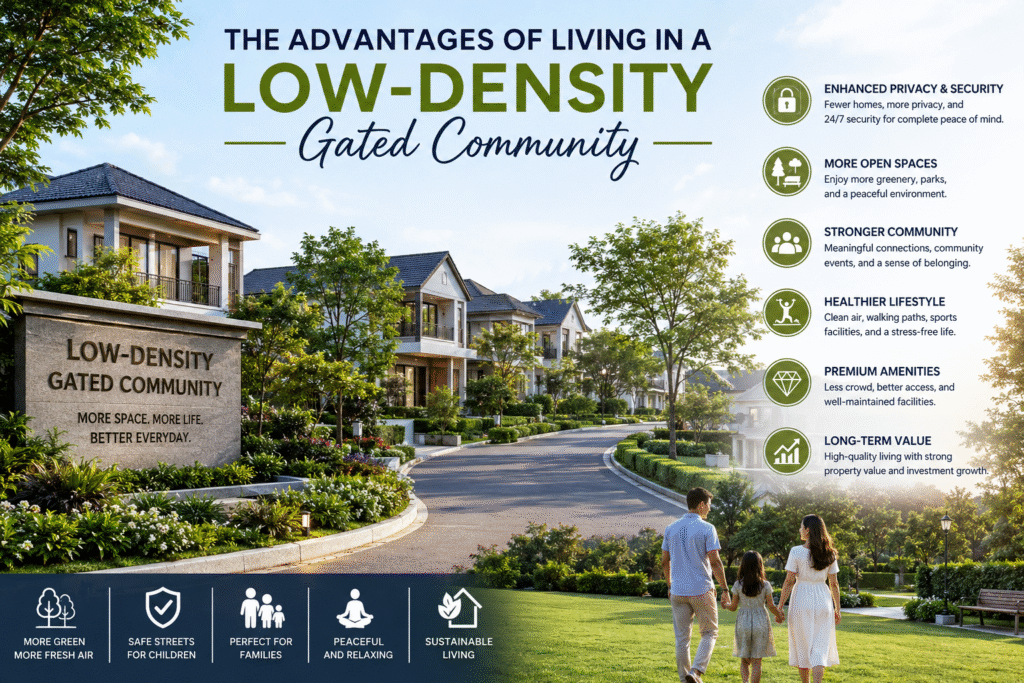
A low-density gated community is a residential neighborhood that accommodates a limited number of homes or apartments within a larger land area. Consequently, residents enjoy more space, reduced congestion, and a quieter atmosphere. Unlike densely populated developments, these communities prioritize open landscapes, wider roads, landscaped gardens, and thoughtfully planned amenities.
Additionally, access is controlled through security gates, ensuring that only residents, authorized guests, and approved service providers can enter.
Enjoy More Privacy
One of the greatest advantages of living in a low-density gated community is the enhanced level of privacy. Since fewer families share the same space, residents experience less noise and fewer daily disturbances.
Furthermore, homes are usually built with greater distance between them. This thoughtful planning allows families to enjoy outdoor spaces, balconies, and gardens without feeling overlooked by neighbors.
As a result, homeowners can relax comfortably while maintaining their personal space.
Experience a Peaceful Environment
Busy cities often expose residents to constant traffic, noise, and overcrowding. However, low-density gated communities provide a peaceful escape from the fast-paced urban lifestyle.
Because there are fewer residents and fewer vehicles, streets remain calm throughout the day. Likewise, parks and walking paths are less crowded, making outdoor activities far more enjoyable.
Therefore, residents can experience a more relaxed and stress-free lifestyle.
Better Safety and Security
Safety remains a top priority for every homeowner. Fortunately, low-density gated communities typically offer multiple layers of security.
These may include:
- 24/7 security personnel
- CCTV surveillance
- Controlled entry and exit points
- Visitor management systems
- Well-lit streets
- Emergency response procedures
Moreover, with fewer residents to monitor, security teams can respond more efficiently to any situation. Consequently, families enjoy greater peace of mind every day.
Less Traffic Within the Community
Another significant benefit is reduced internal traffic. Since fewer households live within the neighborhood, roads remain less congested.
As a result:
- Children can play more safely outdoors.
- Cyclists have more room to ride.
- Pedestrians enjoy comfortable walking paths.
- Parking areas remain more accessible.
In addition, reduced vehicle movement creates a quieter and cleaner environment.
More Open Green Spaces
Low-density developments often dedicate a larger portion of land to landscaping and recreational areas instead of additional housing units.
For example, residents may enjoy:
- Beautiful gardens
- Walking trails
- Jogging tracks
- Children’s parks
- Meditation areas
- Community lawns
Besides improving the community’s appearance, these green spaces encourage healthier lifestyles and provide opportunities to connect with nature.
Furthermore, spending time outdoors has been shown to reduce stress and improve overall well-being.
Better Quality Amenities
Since fewer residents share community facilities, amenities remain less crowded and easier to access.
Common amenities include:
- Swimming pools
- Fitness centers
- Clubhouses
- Sports courts
- Yoga spaces
- Outdoor seating areas
Consequently, residents spend less time waiting and more time enjoying the facilities.
Additionally, maintenance teams can often keep amenities in better condition because daily usage is lower.
Stronger Sense of Community
Although residents enjoy greater privacy, low-density gated communities also encourage meaningful social connections.
Because people frequently encounter familiar faces, neighbors naturally build stronger relationships over time.
Community events such as festivals, fitness classes, cultural celebrations, and family gatherings further strengthen these bonds.
As a result, residents develop a greater sense of belonging while still enjoying personal privacy.
Healthier Lifestyle
Living in a low-density gated community naturally encourages healthier daily habits.
For instance, residents often choose to:
- Walk instead of drive.
- Exercise in parks.
- Use jogging tracks.
- Spend time outdoors.
- Participate in recreational activities.
Moreover, cleaner surroundings and reduced pollution contribute to improved physical and mental health.
Consequently, families can maintain a healthier lifestyle without traveling far from home.
Improved Air Quality
High-density urban areas usually experience greater air pollution due to increased traffic and construction activity.
In contrast, low-density gated communities feature more trees, gardens, and open spaces that naturally improve air quality.
Additionally, lower traffic volumes produce fewer vehicle emissions.
Therefore, residents enjoy fresher air and a healthier living environment.
Greater Property Value Stability
Low-density gated communities are often considered premium residential developments. Because land is used more generously and demand remains strong, these properties frequently maintain their value over time.
Furthermore, buyers appreciate features such as:
- Spacious layouts
- High-quality infrastructure
- Exclusive amenities
- Better privacy
- Enhanced security
As a result, homeowners often benefit from stronger resale potential and long-term investment growth.
Ideal for Families
Families with children often prefer low-density communities because they provide a safer and more comfortable environment.
Children have access to:
- Secure playgrounds
- Wide walking paths
- Open recreational areas
- Sports facilities
Meanwhile, parents enjoy knowing that their children can play within a protected neighborhood.
Additionally, the peaceful surroundings create an ideal setting for studying, relaxation, and family activities.
Better Work-from-Home Experience
Remote work has become increasingly common. Fortunately, low-density gated communities offer an environment well suited for home offices.
Since there is less surrounding noise, professionals can concentrate more effectively during virtual meetings and daily work tasks.
Furthermore, nearby parks and open spaces provide excellent opportunities for breaks and stress relief throughout the workday.
Cleaner and Better Maintained Surroundings
With fewer residents using shared facilities, maintenance becomes more manageable.
Consequently:
- Gardens remain attractive.
- Roads stay cleaner.
- Recreational facilities experience less wear.
- Waste management becomes more efficient.
In addition, homeowners often take greater pride in maintaining their neighborhood, creating an even more appealing living environment.
Environmentally Friendly Development
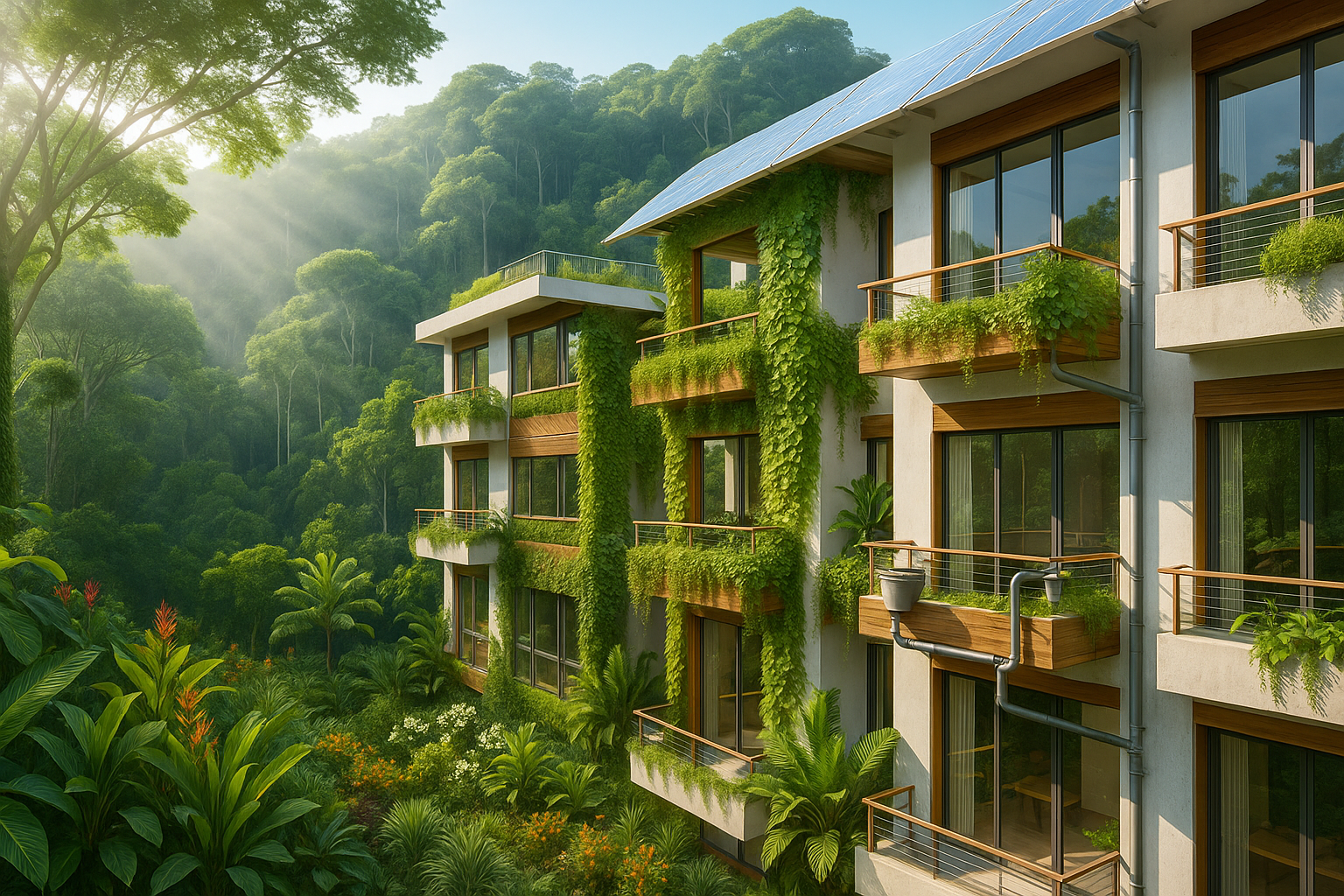
Many modern low-density gated communities incorporate sustainable features into their design.
These may include:
- Rainwater harvesting systems
- Solar-powered lighting
- Energy-efficient buildings
- Native landscaping
- Water conservation measures
As a result, residents enjoy lower environmental impact while contributing to a greener future.
A Balanced Lifestyle
Perhaps the greatest advantage of a low-density gated community is the balance it provides.
Residents enjoy:
- Modern conveniences
- Peaceful surroundings
- Excellent security
- Healthy outdoor spaces
- Strong community connections
- Long-term investment value
Therefore, homeowners do not have to choose between comfort and convenience—they can experience both every day.
Conclusion
Living in a low-density gated community offers far more than just a beautiful home. It provides privacy, enhanced security, cleaner surroundings, premium amenities, and a healthier lifestyle. Furthermore, the thoughtful design of these communities reduces congestion while creating welcoming spaces where residents can relax, socialize, and thrive.
Whether you are purchasing your first home, upgrading to a larger property, or investing for the future, a low-density gated community offers lasting benefits. As demand for spacious, secure, and well-planned neighborhoods continues to grow, these communities remain an excellent choice for homeowners seeking comfort, quality, and long-term value.