In today’s rapidly growing cities, the way people live is changing significantly. As urban populations increase and lifestyles become busier, many families are looking for homes that offer security, comfort, convenience, and a sense of community. As a result, gated communities have become increasingly popular in many parts of the world. These residential areas are usually surrounded by walls or controlled entrances and often provide facilities such as parks, swimming pools, gyms, clubhouses, security systems, and recreational spaces.
However, gated communities are more than just groups of houses behind secure gates. They have a significant impact on modern lifestyles by influencing how people interact, spend their free time, raise their children, and even think about safety and privacy. Although these communities offer several advantages, they also have certain disadvantages. Therefore, it is important to understand their overall impact on contemporary living.
Increased Safety and Security
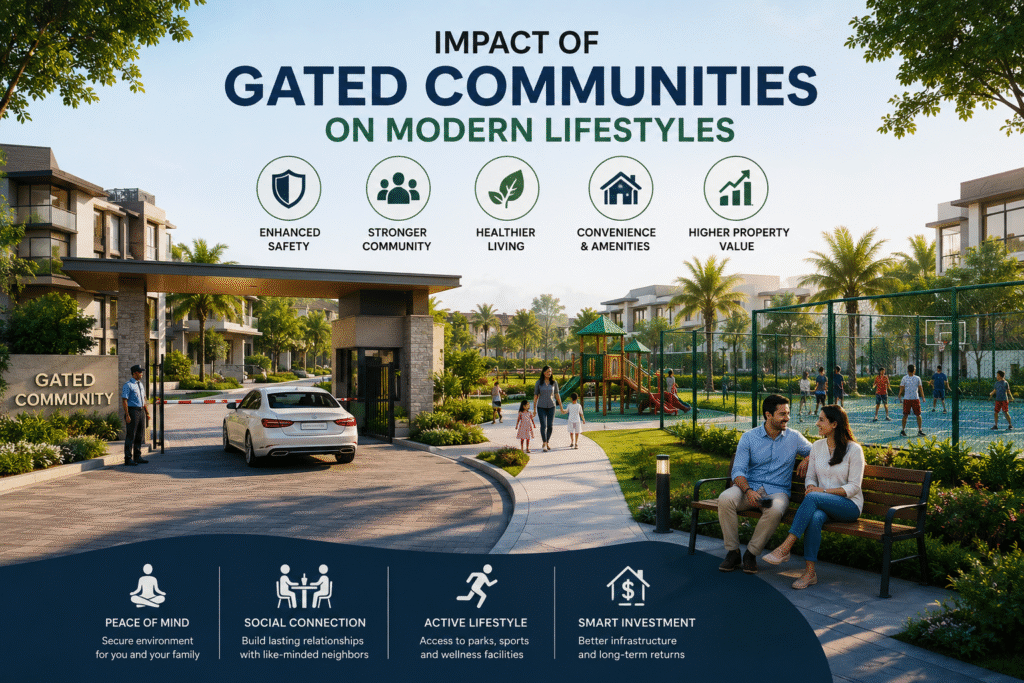
One of the most important reasons people choose gated communities is security. In many urban areas, concerns about theft, unauthorized access, and other safety issues have encouraged families to look for more secure housing options. Gated communities generally have security guards, controlled entrances, visitor registration systems, and CCTV cameras.
Consequently, residents may feel safer in their homes and are often more comfortable allowing their children to play outdoors. For example, parents may allow their children to cycle or play in common areas without worrying as much about heavy traffic or unknown visitors. Moreover, emergency services and security teams can often respond quickly to problems within the community.
Nevertheless, security should not create a false sense of complete safety. No residential area can eliminate every possible risk. Therefore, residents must continue to follow basic safety practices even when living in a gated community.
Greater Convenience and Comfort
Modern lifestyles are often busy and demanding. People spend long hours working, commuting, and managing household responsibilities. In this situation, gated communities can provide greater convenience by bringing several facilities closer to residents.
For instance, many communities have gyms, swimming pools, playgrounds, walking paths, sports courts, and community halls. In addition, some modern developments include supermarkets, cafés, medical facilities, and co-working spaces. As a result, residents may not need to travel far to access basic recreational and lifestyle facilities.
Furthermore, maintenance services can make daily life easier. Gardening, security, waste collection, and common-area maintenance are often managed by the community administration. Therefore, residents can spend more time on work, family, hobbies, and relaxation.
Encouraging Social Interaction
Although modern technology has made communication easier, people sometimes have fewer opportunities for face-to-face interaction. Interestingly, gated communities can help address this problem by creating shared spaces where residents can meet regularly.
For example, residents may participate in festivals, sports competitions, cultural programs, workshops, or social gatherings. Similarly, children can develop friendships by playing together in common areas. Senior citizens may also benefit from community activities that provide opportunities for social interaction.
Moreover, living close to other families can create a stronger sense of belonging. Neighbours may help each other during emergencies, celebrations, or everyday situations. Consequently, a well-managed community can develop a supportive social environment.
Better Opportunities for Children
Gated communities can have a particularly strong influence on children’s lifestyles. In traditional urban neighbourhoods, children may have limited access to safe outdoor spaces because of traffic, pollution, and overcrowding. In contrast, many gated communities provide dedicated playgrounds, parks, sports facilities, and walking areas.
As a result, children may spend more time outdoors and participate in physical activities. Furthermore, they can develop social skills by interacting with children of different backgrounds and age groups.
However, there is also a potential downside. If children spend most of their time within the boundaries of the community, they may have fewer opportunities to experience the wider city and interact with people from different social and economic backgrounds. Therefore, parents should encourage children to explore environments beyond the community as well.
Privacy and a Controlled Lifestyle
Another major impact of gated communities is the increased level of privacy they can provide. Controlled entry systems mean that visitors and outsiders generally have limited access to residential areas. Consequently, residents may enjoy a quieter and more private environment.
On the other hand, this controlled lifestyle can sometimes become restrictive. Strict community rules may regulate activities such as parking, renovations, pets, noise, parties, and the use of common facilities. While such rules are designed to maintain order, some residents may feel that they limit personal freedom.
Therefore, successful communities need to maintain a balance between individual freedom and collective responsibility. Rules should protect residents without unnecessarily interfering with their everyday lives.
Impact on Health and Well-Being
Gated communities can also influence physical and mental well-being. Access to parks, walking tracks, gyms, swimming pools, and sports facilities encourages residents to stay physically active. Moreover, landscaped surroundings and open spaces can provide a pleasant environment away from crowded city streets.
In addition, social interaction can contribute to emotional well-being. Having neighbours nearby can reduce feelings of loneliness and provide residents with a support network.
However, the benefits depend largely on how residents use these facilities. Simply having a gym or park does not guarantee a healthier lifestyle. Therefore, individuals must actively make use of the opportunities available to them.
Economic and Environmental Effects
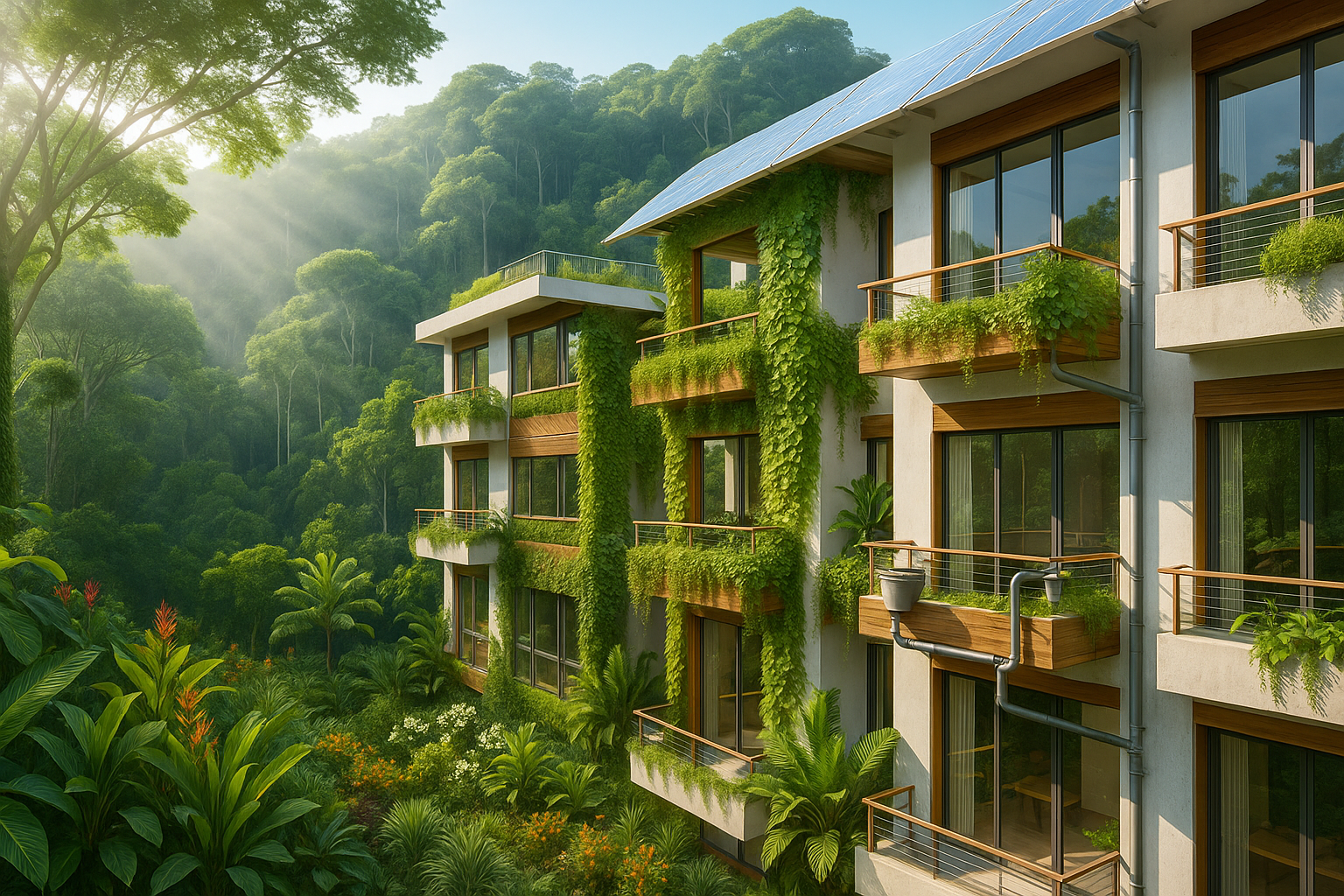
Gated communities can also affect household finances and the environment. On the positive side, shared infrastructure and facilities can provide residents with services that might otherwise be expensive to arrange individually. Furthermore, modern developments increasingly include energy-efficient buildings, rainwater harvesting, solar power, waste-management systems, and green spaces.
Nevertheless, gated communities can sometimes contribute to urban expansion. Large residential developments on the outskirts of cities may increase dependence on private vehicles and lead to longer commuting distances. Consequently, the environmental benefits of a well-designed community can be reduced if transportation and land use are not properly planned.
The Risk of Social Separation
Despite their many advantages, gated communities have been criticized for creating social divisions. Since access is restricted, residents may interact mainly with people from similar economic backgrounds. As a result, the community can become socially isolated from the surrounding neighbourhood.
Furthermore, the high cost of some gated developments can make them inaccessible to lower-income families. This may contribute to greater separation between different sections of society.
However, this outcome is not inevitable. Communities can organize inclusive events, support local initiatives, and encourage interaction with surrounding neighbourhoods. In this way, security and exclusivity do not necessarily have to come at the cost of social responsibility.
The Future of Gated Communities
Looking ahead, gated communities are likely to become increasingly connected with technology. Smart security systems, mobile applications, automated access control, energy monitoring, online maintenance payments, and digital communication platforms are already changing how residential communities operate.
Moreover, future developments may place greater emphasis on sustainability. Solar energy, electric-vehicle charging stations, water conservation, green buildings, and smart waste-management systems could become standard features.
At the same time, developers and residents will need to focus on creating communities that are not only secure but also inclusive, environmentally responsible, and socially healthy. Technology should support human connection rather than replace it.
Conclusion
In conclusion, gated communities have had a considerable impact on modern lifestyles. They provide security, convenience, recreational facilities, social opportunities, and comfortable living environments. In addition, they can encourage healthier habits and create stronger neighbourhood relationships.
However, there are also challenges, including strict regulations, social separation, privacy concerns, and possible dependence on private transportation. Therefore, the success of a gated community depends not simply on walls and security gates but on how effectively it balances safety, freedom, community, and sustainability.
Ultimately, a modern gated community should be more than a collection of houses. It should be a place where people can live safely, interact positively, protect the environment, and enjoy a meaningful quality of life. As cities continue to grow, creating such balanced communities will become increasingly important for the future of urban living.