Gated communities have always been associated with security, privacy, comfort, and a better quality of life. However, as technology continues to evolve, these communities are becoming much more than residential spaces surrounded by gates. Today, smart technology is transforming the way residents enter their homes, interact with their surroundings, manage security, conserve energy, and connect with their communities.
In the coming years, technology will play an even greater role in shaping gated community living. From artificial intelligence and smart security to sustainable infrastructure and connected homes, future communities will offer residents a more convenient, secure, and environmentally responsible lifestyle.
Smart Security Will Become the New Standard
First and foremost, security will remain one of the biggest advantages of gated communities. However, traditional security methods are gradually being enhanced by advanced technology.
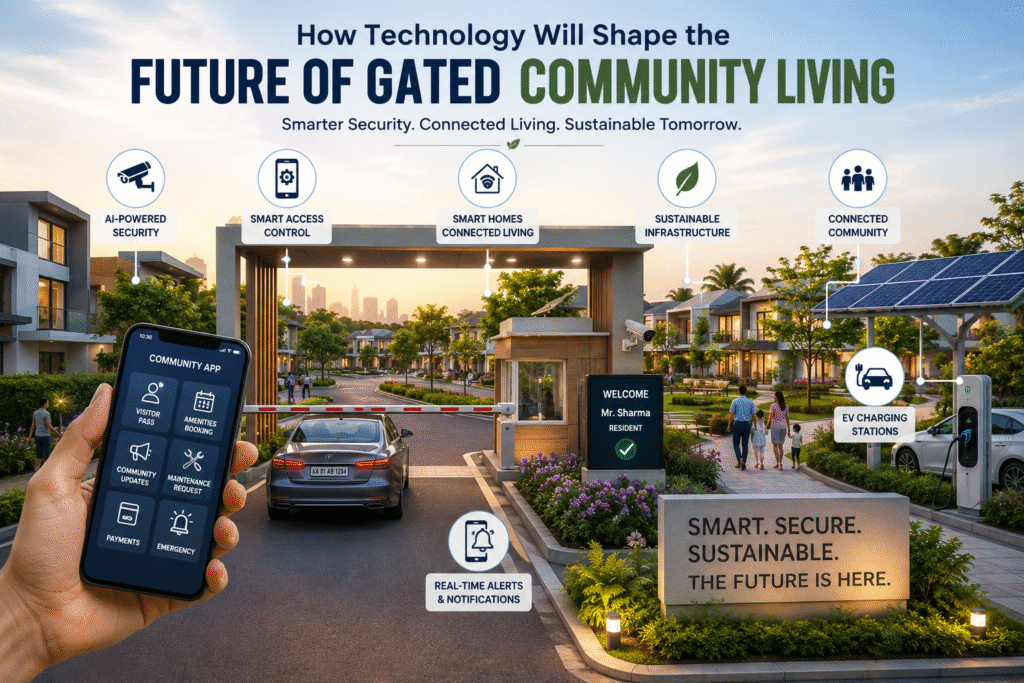
For example, future gated communities may use AI-powered cameras, facial recognition, smart access cards, license plate recognition, and automated visitor management systems. Instead of relying entirely on security guards, these technologies can help identify authorized residents and detect unusual activity.
Furthermore, smart surveillance systems can monitor common areas around the clock. When an unusual event occurs, the system can immediately send an alert to security personnel or residents. As a result, communities can respond to potential security concerns more quickly.
Importantly, technology will not necessarily replace human security teams. Instead, it will allow security professionals to work more efficiently by providing them with better information and faster communication tools.
Smart Homes Will Connect With Smart Communities
In addition to improving security, technology will create stronger connections between individual homes and the wider community.
Smart homes already allow homeowners to control lighting, temperature, appliances, cameras, and door locks through smartphones. In the future, these features could become integrated with community-wide systems.
For instance, residents may be able to manage home security and community services from a single application. They could receive notifications about visitors, community announcements, maintenance schedules, deliveries, and emergency alerts.
Moreover, smart systems could learn residents’ preferences and automate everyday tasks. Consequently, homeowners may spend less time managing routine activities and more time enjoying their homes.
AI Will Make Community Management More Efficient
Artificial intelligence will also play an important role in the future of gated communities. Property managers can use AI-powered systems to monitor facilities, identify maintenance requirements, and analyze community operations.
For example, sensors could detect problems with elevators, water systems, lighting, or electrical equipment before they become major issues. Therefore, maintenance teams can address problems proactively rather than waiting for residents to report them.
Similarly, AI-powered platforms could help property managers understand patterns in energy consumption, parking usage, facility bookings, and other community activities.
As a result, technology can reduce unnecessary expenses while improving the overall resident experience.
Digital Visitor Management Will Improve Convenience
Another important development will be the growth of digital visitor management.
Traditionally, visitors may need to provide their details at the security gate before entering a community. While this method offers security, it can sometimes be inconvenient.
In contrast, future systems may allow residents to approve visitors digitally before they arrive. A resident could send a temporary digital access pass to a guest, delivery person, or service provider.
Additionally, the system could automatically notify residents when their visitor arrives. This process would make entry faster while maintaining strict access control.
Therefore, digital visitor management can provide an excellent balance between convenience and security.
Sustainable Technology Will Create Greener Communities
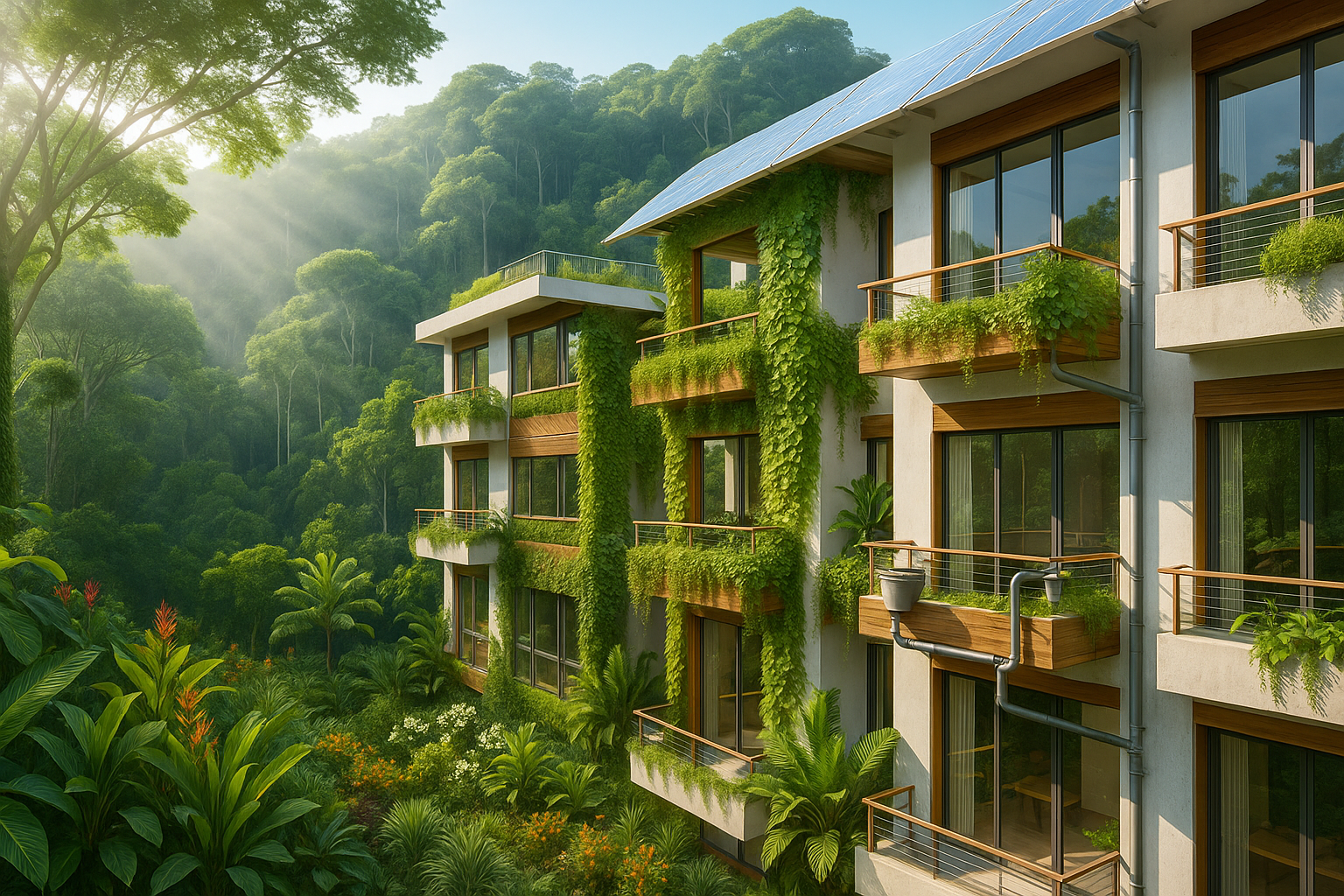
Technology will also help gated communities become more environmentally friendly. As concerns about climate change and energy consumption continue to grow, developers are likely to introduce smarter and more sustainable infrastructure.
For example, future communities could feature solar-powered streetlights, smart irrigation systems, rainwater harvesting technology, energy-efficient buildings, and electric vehicle charging stations.
Furthermore, smart sensors can monitor water and electricity consumption. Residents and community managers can then identify areas where resources are being wasted.
In addition, automated irrigation systems can adjust watering schedules according to weather conditions and soil moisture. Consequently, communities can maintain beautiful landscapes while using less water.
Electric Vehicles Will Become More Common
The growth of electric vehicles will also influence gated community design.
As more residents choose electric cars, charging stations will become an important residential amenity. Future communities may include charging points in individual parking spaces as well as shared charging stations.
Moreover, smart charging technology could allow charging to take place during periods when electricity demand is lower. This approach can improve energy efficiency while offering residents greater convenience.
In the long term, transportation technology may also introduce shared electric vehicles, electric bicycles, and other sustainable mobility options within gated communities.
Community Apps Will Bring Residents Closer
Technology will not only improve physical infrastructure. It can also strengthen social connections.
For example, a dedicated community application could allow residents to communicate with one another, report maintenance issues, reserve amenities, receive announcements, and participate in community events.
Residents could also use these platforms to organize activities such as fitness sessions, children’s events, neighborhood gatherings, or hobby groups.
Consequently, technology can help create a stronger sense of belonging rather than making residents feel disconnected.
Smart Amenities Will Transform Recreation
Gated communities are increasingly offering amenities such as swimming pools, gyms, clubhouses, parks, sports facilities, and co-working spaces. In the future, technology will make these amenities even more convenient.
For instance, residents may use an app to reserve a tennis court, book a clubhouse, schedule a fitness session, or check whether a facility is available.
Similarly, smart fitness equipment and connected wellness systems could provide residents with personalized workout experiences.
Therefore, technology can transform ordinary amenities into intelligent spaces designed around residents’ needs.
Data Privacy Will Become More Important
Although technology offers many advantages, it also creates new responsibilities. As gated communities collect more digital information, protecting residents’ privacy will become increasingly important.
For example, security cameras, access systems, mobile applications, and smart home devices may collect sensitive information. Therefore, communities must use strong cybersecurity measures and transparent data policies.
Residents should understand what information is collected, how it is stored, and who can access it. Ultimately, technological innovation must go hand in hand with responsible data protection.
The Future of Gated Community Living
Looking ahead, gated communities are likely to become increasingly intelligent, connected, sustainable, and personalized. Technology will influence almost every aspect of daily life, from entering the community to managing a home and using shared amenities.
However, the ultimate goal should not be to create communities filled with technology simply for the sake of innovation. Instead, technology should solve real problems and improve people’s everyday experiences.
When thoughtfully implemented, smart security can provide greater peace of mind, automation can increase convenience, sustainable systems can reduce environmental impact, and digital platforms can strengthen community connections.
Conclusion
The future of gated community living will be shaped by a combination of technology, sustainability, security, and human-centered design. As artificial intelligence, smart homes, digital management systems, renewable energy, and connected infrastructure continue to develop, residential communities will become more responsive to the needs of their residents.
Ultimately, the most successful gated communities will be those that use technology intelligently while preserving the comfort, privacy, safety, and sense of community that make gated living attractive in the first place.
In other words, the gated community of the future will not simply be a place to live. It will be a connected ecosystem designed to make everyday life safer, smarter, greener, and more convenient.