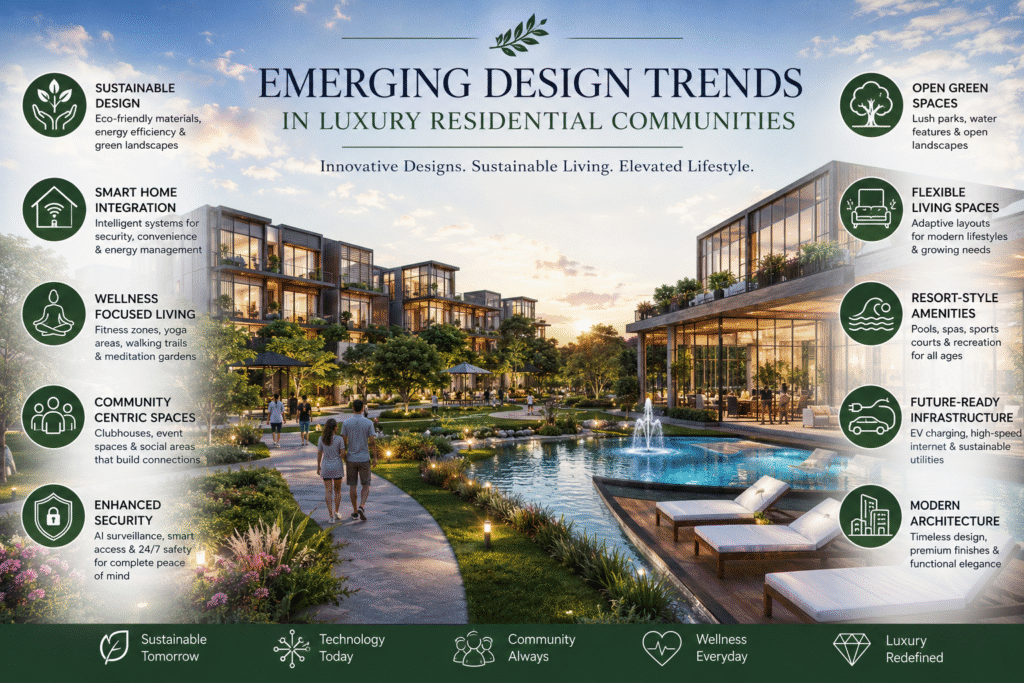
The concept of luxury residential communities has evolved significantly over the past decade. Today, homebuyers are looking for much more than elegant architecture or premium locations. They seek communities that offer comfort, sustainability, advanced technology, wellness, and a sense of belonging. As a result, developers are embracing innovative design trends that transform ordinary neighborhoods into exceptional living environments.
Moreover, changing lifestyles, environmental awareness, and technological advancements continue to shape the future of residential development. Luxury residential communities are now designed to provide an enhanced quality of life while meeting the expectations of modern families, professionals, and retirees alike.
In this article, we explore the emerging design trends in luxury residential communities and why these innovations are becoming essential for both homeowners and developers.
1. Sustainable and Eco-Friendly Design
One of the most significant trends in luxury residential communities is sustainable development. Modern buyers increasingly prefer environmentally responsible homes that reduce energy consumption and promote healthier living.
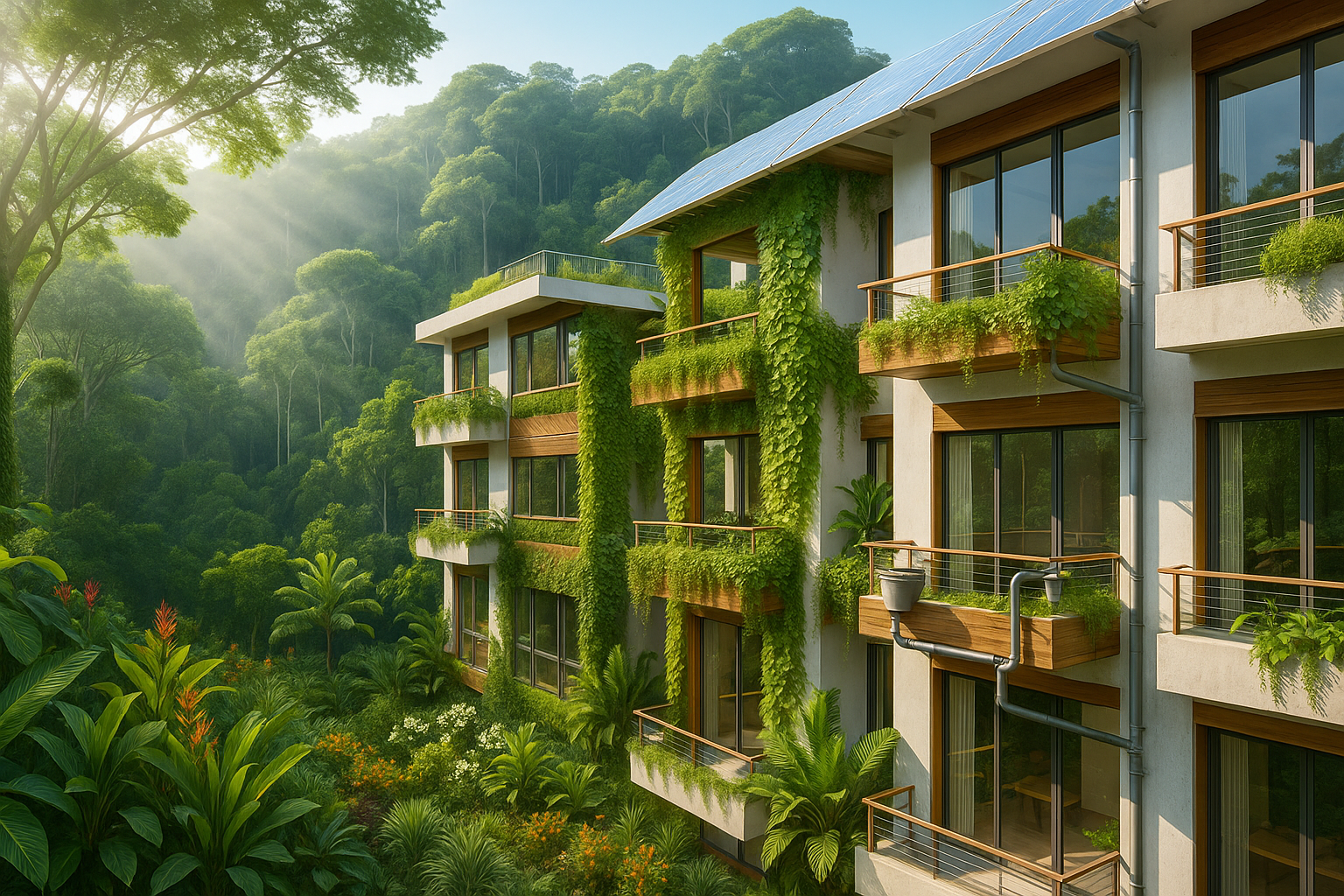
For instance, developers now incorporate solar panels, rainwater harvesting systems, energy-efficient lighting, and natural ventilation into residential projects. Furthermore, landscaped gardens, green roofs, and native plants help reduce environmental impact while creating beautiful surroundings.
Additionally, eco-friendly construction materials improve durability and minimize carbon emissions. Consequently, sustainable communities not only benefit the environment but also lower maintenance and utility costs for residents.
2. Smart Home Integration
Technology has become a defining feature of luxury residential communities. Homeowners now expect intelligent systems that simplify daily life while enhancing comfort and security.
Smart homes commonly include:
- Voice-controlled lighting
- Smart thermostats
- Automated curtains
- Digital door locks
- Video doorbells
- Remote-controlled security cameras
- Energy management systems
Moreover, many communities integrate mobile applications that allow residents to book amenities, receive maintenance updates, pay community fees, and communicate with management effortlessly.
As technology continues to evolve, smart home features are becoming standard rather than optional in luxury developments.
3. Wellness-Focused Community Planning
Health and wellness have become top priorities for modern homeowners. Therefore, luxury residential communities are increasingly designed to support both physical and mental well-being.
Developers now include:
- Walking trails
- Jogging tracks
- Outdoor fitness zones
- Yoga lawns
- Meditation gardens
- Cycling paths
- Sports courts
- Swimming pools
Furthermore, abundant greenery and open spaces encourage outdoor activities while reducing stress levels. Residents enjoy healthier lifestyles without needing to travel far from home.
As a result, wellness-focused planning has become a major selling point for luxury communities.
4. Open Green Spaces and Nature-Inspired Design
Instead of maximizing construction density, many developers are prioritizing open spaces and natural landscapes.
Beautiful gardens, tree-lined streets, lakes, water features, and community parks create peaceful surroundings that improve everyday living. Additionally, outdoor seating areas and shaded relaxation zones encourage residents to spend more time outside.
Nature-inspired architecture also incorporates large windows, natural lighting, indoor plants, and seamless indoor-outdoor living spaces.
Consequently, these thoughtful design elements create a calm and refreshing atmosphere that enhances both comfort and property value.
5. Flexible Living Spaces
Modern lifestyles have changed dramatically, especially with the rise of remote work and hybrid careers. Therefore, homes within luxury residential communities are becoming more adaptable.
Flexible layouts now include:
- Home offices
- Multi-purpose rooms
- Study areas
- Convertible guest rooms
- Expandable living spaces
Additionally, open floor plans allow homeowners to customize interiors according to changing family needs.
This flexibility ensures that homes remain practical and valuable for years to come.
6. Community-Centered Design
Luxury today is not only about private living but also about creating meaningful social connections.
Developers increasingly focus on community-centered design by including shared spaces that encourage interaction among residents.
Popular amenities include:
- Clubhouses
- Community cafés
- Event halls
- Children’s play areas
- Outdoor amphitheaters
- Co-working lounges
- BBQ zones
- Pet parks
Moreover, planned social events strengthen neighborhood relationships and foster a stronger sense of belonging.
As communities become more connected, residents experience greater satisfaction and overall happiness.
7. Resort-Style Amenities
Luxury residential communities are increasingly offering resort-inspired experiences within their premises.
Rather than relying solely on nearby recreational facilities, residents enjoy premium amenities just steps from their homes.
These amenities often include:
- Infinity swimming pools
- Luxury spas
- Wellness centers
- Indoor game rooms
- Mini theaters
- Rooftop lounges
- Fine dining spaces
- Concierge services
Furthermore, these facilities provide convenience while significantly enhancing residents’ lifestyles.
Consequently, resort-style living has become one of the strongest attractions for premium homebuyers.
8. Enhanced Security Through Smart Design
Security remains one of the primary reasons buyers choose luxury residential communities.
However, modern security extends beyond traditional gated entrances.
Today’s developments feature:
- AI-powered surveillance
- Facial recognition access
- Biometric entry systems
- Smart visitor management
- Emergency response systems
- Vehicle tracking
- Motion detection cameras
Additionally, well-lit streets, clear visibility, and strategically designed layouts improve overall safety throughout the community.
These innovations provide homeowners with peace of mind around the clock.
9. Architectural Simplicity with Premium Finishes
Contemporary architecture is moving toward elegant simplicity.
Instead of elaborate designs, luxury communities now emphasize clean lines, minimalistic aesthetics, spacious interiors, and functional layouts.
Premium materials such as natural stone, glass, engineered wood, and sustainable finishes create sophisticated living environments.
Furthermore, neutral color palettes allow homeowners to personalize interiors while maintaining timeless elegance.
This combination of simplicity and luxury appeals to a wide range of modern buyers.
10. Future-Ready Infrastructure
Forward-thinking developers understand that communities must remain relevant for decades.
Therefore, luxury residential communities increasingly incorporate future-ready infrastructure.
Examples include:
- Electric vehicle charging stations
- High-speed fiber internet
- Renewable energy systems
- Smart waste management
- Water recycling facilities
- Drone delivery zones
- Digital maintenance systems
Additionally, developers design flexible infrastructure that can accommodate future technological advancements without major renovations.
As innovation continues, future-ready communities will remain highly desirable in competitive real estate markets.
Why These Trends Matter
Emerging design trends reflect changing homeowner expectations. Buyers now value experiences, sustainability, convenience, health, and community as much as luxury finishes.
Furthermore, these design innovations increase long-term property appreciation by making communities more attractive to future buyers.
Developers who embrace these trends gain a competitive advantage while creating neighborhoods that remain relevant for many years.
Likewise, homeowners benefit from enhanced comfort, lower operating costs, improved security, and a higher quality of life.
Conclusion
The future of luxury residential communities lies in thoughtful, people-centered design. Sustainability, smart technology, wellness amenities, flexible living spaces, and community engagement are redefining what luxury truly means.
Moreover, modern homebuyers increasingly seek homes that support healthier, more connected, and environmentally responsible lifestyles. As a result, developers are investing in innovative features that combine elegance with functionality.
Ultimately, emerging design trends are transforming luxury residential communities into vibrant, future-ready neighborhoods where residents can live comfortably, safely, and sustainably. Whether you are planning to invest in a new home or develop a premium residential project, understanding these trends will help you make informed decisions and embrace the future of luxury living.