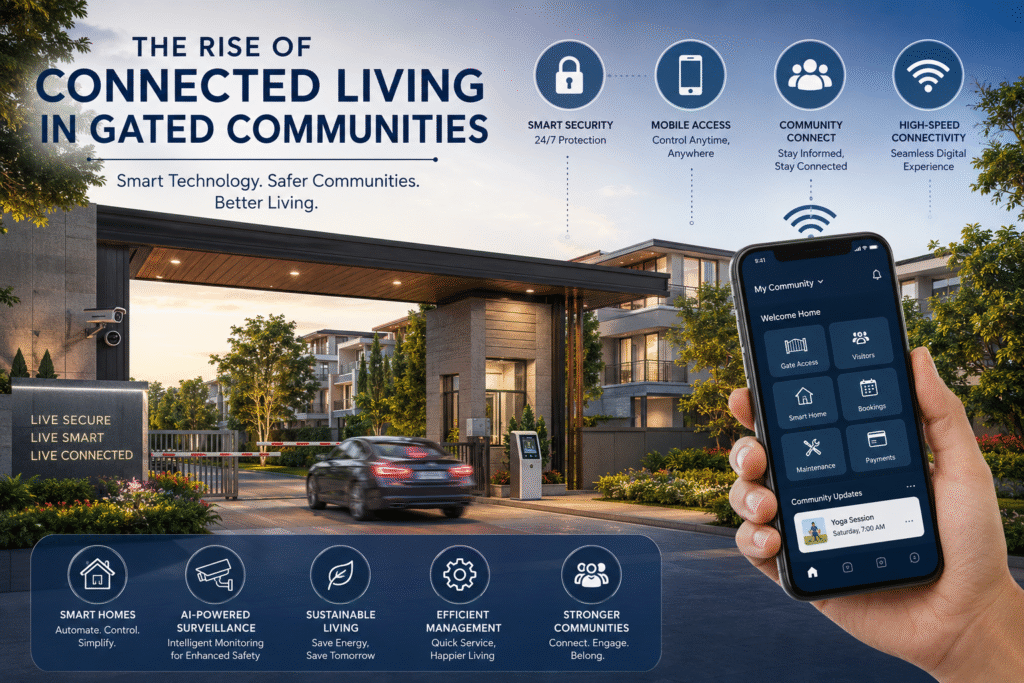
In today’s fast-paced world, technology is transforming the way people live, work, and interact. One of the biggest trends in modern residential development is connected living in gated communities. Homebuyers are no longer looking only for secure homes and beautiful surroundings. Instead, they want neighborhoods where technology makes daily life easier, safer, and more convenient.
Connected living combines smart home technology, digital community management, high-speed internet, intelligent security systems, and modern amenities into one seamless lifestyle. As a result, gated communities are evolving into smart neighborhoods that offer residents greater comfort and efficiency.
This article explores the rise of connected living in gated communities, its benefits, the technologies driving this trend, and why it is shaping the future of residential living.
What Is Connected Living?
Connected living refers to the integration of digital technologies that allow residents, homes, and community services to communicate with one another. Instead of relying on traditional systems, residents can manage many aspects of their daily lives through smartphones, tablets, or voice-controlled devices.
For example, homeowners can:
- Control lighting remotely
- Lock and unlock doors using mobile apps
- Monitor security cameras from anywhere
- Receive visitor notifications instantly
- Schedule maintenance requests online
- Access community announcements digitally
Consequently, technology simplifies everyday tasks while improving convenience and security.
Why Connected Living Is Becoming Popular
Several factors have contributed to the growing popularity of connected living in gated communities.
Growing Demand for Convenience
Modern homeowners value convenience more than ever. Busy professionals, families, and retirees appreciate solutions that save time and reduce everyday stress.
Instead of visiting the management office, residents can pay maintenance fees, book clubhouse facilities, or raise service requests through dedicated community apps. Therefore, daily activities become much easier to manage.
Increased Focus on Security
Safety remains one of the biggest reasons people choose gated communities. However, modern buyers now expect more than security guards and boundary walls.
Today’s connected communities offer:
- Smart surveillance systems
- AI-powered CCTV monitoring
- Digital visitor management
- Facial recognition access
- Smart gates
- Emergency alert systems
As a result, residents enjoy enhanced protection around the clock.
Rise of Remote Work
Since remote and hybrid work have become more common, homeowners spend more time in their neighborhoods. Consequently, they seek communities that support digital lifestyles through reliable internet connectivity and smart infrastructure.
Connected living ensures residents remain productive while enjoying the comfort of home.
Smart Homes Are Changing Residential Living
One of the biggest components of connected living in gated communities is smart home technology.
Smart homes allow homeowners to automate various household functions.
Popular smart home features include:
- Smart lighting
- Smart thermostats
- Video doorbells
- Motion sensors
- Smart appliances
- Voice assistants
- Smart locks
- Energy monitoring systems
For instance, homeowners can switch off lights after leaving home or receive alerts if someone enters the property unexpectedly.
Therefore, smart homes improve comfort while reducing energy consumption.
Digital Community Management
Traditional community management often involved paperwork, phone calls, and office visits. However, connected living has introduced digital management platforms that simplify communication between residents and administrators.
Residents can easily:
- Pay maintenance fees online
- Track service requests
- Book sports courts or clubhouses
- Register guests
- Receive event notifications
- Access important community documents
- Participate in polls and surveys
As a result, communication becomes faster, more transparent, and highly efficient.
High-Speed Internet as an Essential Utility
Reliable internet is no longer considered a luxury. Instead, it has become an essential utility alongside electricity and water.
Connected living in gated communities depends heavily on:
- Fiber-optic broadband
- Wi-Fi-enabled common areas
- Stable network infrastructure
- Backup internet solutions
These services support:
- Remote work
- Online education
- Video conferencing
- Smart home devices
- Digital entertainment
Consequently, uninterrupted connectivity improves residents’ overall quality of life.
Intelligent Security Systems
Security technology has evolved significantly over the past decade.
Modern gated communities now use integrated systems that combine multiple layers of protection.
Examples include:
- Smart access cards
- Mobile-based entry systems
- Number plate recognition
- AI-enabled CCTV cameras
- Visitor QR codes
- Real-time security monitoring
Moreover, security personnel receive instant alerts whenever unusual activity is detected.
Therefore, connected living enhances both safety and peace of mind.
Sustainable Living Through Smart Technology
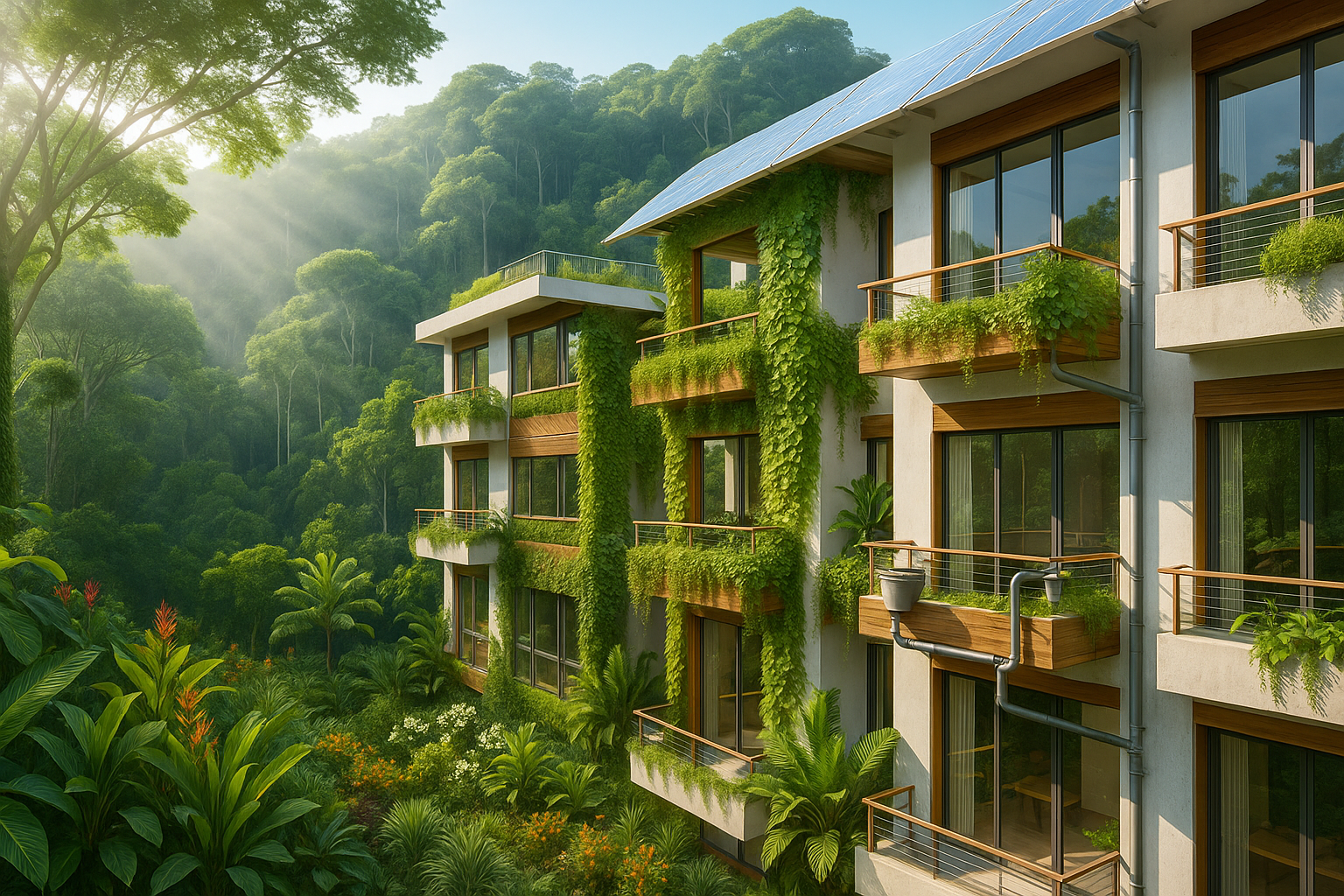
Connected living also supports environmental sustainability.
Smart technologies help communities reduce energy consumption and manage natural resources more effectively.
Examples include:
Smart Lighting
Motion sensors automatically switch lights on or off in common areas, reducing unnecessary electricity usage.
Water Management
Digital monitoring systems detect leaks early and monitor water consumption.
Energy Monitoring
Residents can track electricity usage in real time and identify opportunities to reduce waste.
Smart Irrigation
Automated irrigation systems water gardens only when necessary, helping conserve water.
As a result, connected living contributes to greener and more sustainable communities.
Building Stronger Communities Through Technology
Although technology often seems to reduce personal interaction, connected living can actually strengthen neighborhood relationships.
Community apps encourage residents to:
- Join local interest groups
- Participate in events
- Share announcements
- Organize fitness activities
- Celebrate festivals together
- Exchange recommendations
Furthermore, digital notice boards ensure everyone stays informed about upcoming activities.
Consequently, residents experience a stronger sense of belonging.
Better Maintenance Through Predictive Technology
Connected communities increasingly use predictive maintenance to prevent equipment failures before they occur.
Sensors monitor critical infrastructure such as:
- Elevators
- Water pumps
- Power systems
- Fire safety equipment
- Street lighting
Whenever irregularities appear, maintenance teams receive immediate alerts.
Therefore, repairs happen faster while reducing unexpected breakdowns and maintenance costs.
Improved Property Value
One major advantage of connected living in gated communities is its positive impact on property values.
Modern buyers actively seek homes equipped with smart technologies and digital infrastructure.
Properties offering connected living often attract:
- Young professionals
- Technology enthusiasts
- Families
- Remote workers
- Investors
As demand increases, both resale value and rental potential often improve.
Consequently, connected communities represent a strong long-term investment.
Challenges of Connected Living
Despite its many advantages, connected living also presents certain challenges.
Data Privacy
Communities must protect residents’ personal information from cyber threats.
Cybersecurity
Smart devices require regular software updates to prevent unauthorized access.
Initial Investment
Installing advanced digital infrastructure involves higher upfront costs.
Technology Adoption
Some residents may require guidance when learning to use smart systems.
However, with proper planning and ongoing support, these challenges can be effectively managed.
The Future of Connected Living in Gated Communities
Technology continues to evolve rapidly, and connected living will become even more advanced in the coming years.
Future developments may include:
- AI-powered community management
- Smart waste collection systems
- Autonomous security patrols
- Electric vehicle charging networks
- Renewable energy integration
- Digital health monitoring services
- Smart parking guidance
- Predictive traffic management within communities
Furthermore, artificial intelligence and the Internet of Things (IoT) will create neighborhoods that continuously adapt to residents’ needs.
As these innovations become more affordable, connected living will likely become the standard rather than the exception.
Conclusion
The rise of connected living in gated communities is transforming residential life by combining technology, convenience, security, and sustainability into one seamless experience. Smart homes, digital community management, intelligent security systems, and reliable connectivity work together to simplify everyday living while enhancing comfort and safety.
Moreover, connected living fosters stronger community engagement, improves property values, and supports environmentally responsible practices. Although challenges such as cybersecurity and implementation costs exist, the long-term advantages far outweigh the obstacles.
As technology continues to advance, connected living will play an increasingly important role in shaping modern neighborhoods. For homebuyers, investors, and developers alike, embracing connected living in gated communities is not just about keeping pace with innovation—it is about creating smarter, safer, and more enjoyable places to live for years to come.