In recent years, gated communities have become one of the most preferred residential choices for families, professionals, and investors. These communities offer security, comfort, privacy, and modern amenities that attract homebuyers seeking a better lifestyle. However, the pricing of properties inside gated communities often varies significantly from one project to another. While some developments are affordable, others are considered luxury investments with premium price tags.
Therefore, understanding the factors that influence gated community pricing is important for both buyers and investors. Several elements, including location, amenities, infrastructure, security, and market trends, directly affect property value. Moreover, these factors continue to evolve as buyer expectations and urban development change over time.
Location and Connectivity
One of the most important factors influencing gated community pricing is location. Properties located in prime urban areas naturally cost more because they provide easier access to workplaces, schools, hospitals, shopping centers, and entertainment hubs.
For example, gated communities situated near business districts or major highways often command higher prices due to convenience. Similarly, areas with strong transportation networks, including metro stations and airports, tend to attract buyers willing to pay a premium.
In contrast, projects located in developing suburbs may initially offer lower prices. However, if infrastructure development improves over time, property values in those areas can rise rapidly. Consequently, investors often look for communities in emerging locations with strong future growth potential.
Security Features
Security is one of the biggest reasons people choose gated communities. As a result, advanced security systems greatly influence pricing.
Modern gated communities usually include:
- 24/7 security personnel
- CCTV surveillance
- Smart access control systems
- Visitor management technology
- Emergency response systems
Communities with high-end security infrastructure generally charge higher property prices and maintenance fees. Nevertheless, many buyers consider the additional cost worthwhile because it provides peace of mind and a safer living environment for families.
Furthermore, communities with a strong reputation for safety often experience higher demand, which further increases property value.
Amenities and Lifestyle Facilities
Another major factor affecting pricing is the availability of lifestyle amenities. Today’s homebuyers expect more than just a house; they seek a complete living experience.
Premium gated communities often include:
- Swimming pools
- Clubhouses
- Fitness centers
- Parks and jogging tracks
- Sports courts
- Children’s play areas
- Co-working spaces
- Community halls
Naturally, projects offering luxurious amenities are priced higher than basic residential developments. Additionally, unique facilities such as rooftop lounges, mini theaters, wellness spas, and smart home integration can further increase costs.
Moreover, communities that provide a resort-like atmosphere often attract high-income buyers, which boosts overall market value.
Quality of Construction
The quality of construction materials and architectural design also plays a vital role in determining pricing. Buyers are willing to pay more for homes built with durable materials, modern layouts, and aesthetically pleasing designs.
For instance, properties featuring premium flooring, energy-efficient systems, branded fittings, and advanced engineering standards generally cost more. Likewise, projects developed by reputable builders often carry higher price tags because buyers trust their quality and reliability.
In addition, modern architectural trends such as open floor plans, natural lighting, and eco-friendly construction contribute to increased property value.
Developer Reputation
The reputation of the real estate developer significantly impacts gated community pricing. Established developers with successful project histories often charge premium prices because buyers associate them with quality, timely delivery, and better customer service.
On the other hand, lesser-known developers may offer lower prices to attract customers. However, buyers sometimes hesitate due to concerns about construction quality or project completion.
Therefore, trusted developers usually maintain stronger demand in the market. Consequently, their projects often appreciate faster in value over time.
Infrastructure and Urban Development
The surrounding infrastructure greatly affects property pricing in gated communities. Areas with well-developed roads, drainage systems, water supply, electricity, and public facilities tend to experience higher property demand.
Additionally, upcoming infrastructure projects can significantly influence future prices. For example:
- New highways
- Metro rail systems
- IT parks
- Shopping malls
- Educational institutions
- Hospitals
These developments improve accessibility and convenience, making nearby gated communities more attractive to buyers.
As a result, investors closely monitor urban development plans before purchasing property. Even a relatively affordable project can become highly valuable if major infrastructure growth occurs nearby.
Green Spaces and Environmental Features
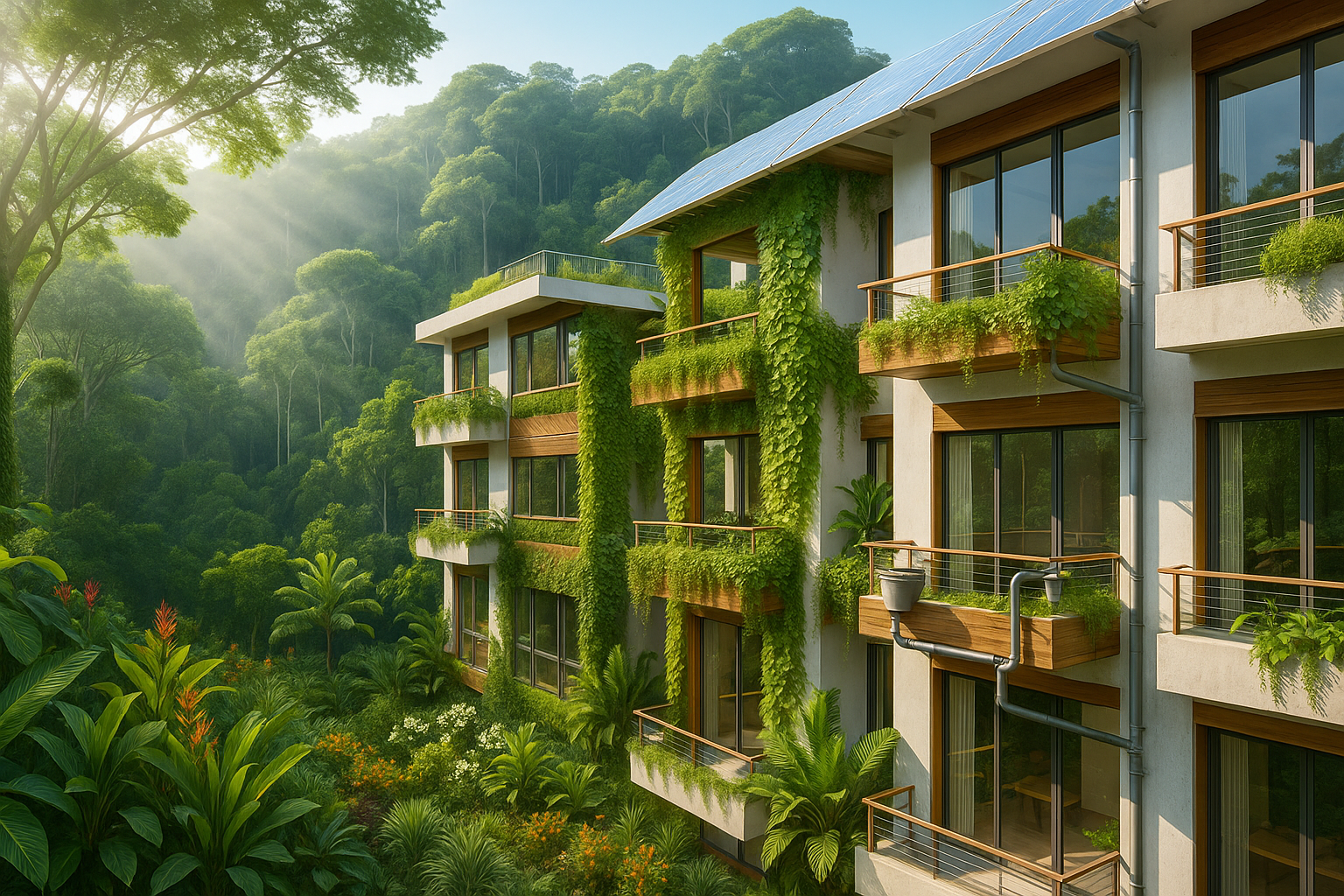
Modern buyers increasingly value sustainable and eco-friendly living environments. Therefore, gated communities with green spaces and environmental initiatives often command higher prices.
Features that influence pricing include:
- Landscaped gardens
- Tree-lined streets
- Rainwater harvesting systems
- Solar energy solutions
- Waste management systems
- Water recycling facilities
These features not only improve quality of life but also reduce long-term utility costs. Moreover, green communities create healthier living conditions, which appeals to families and environmentally conscious buyers.
Consequently, sustainable developments are becoming increasingly competitive in the real estate market.
Size and Type of Property
Property size and configuration naturally affect pricing within gated communities. Larger homes with additional bedrooms, balconies, private gardens, or premium views generally cost more.
For example:
- Villas are usually more expensive than apartments
- Corner units often carry premium prices
- Park-facing homes may have higher value
- Penthouse units command luxury pricing
Additionally, communities offering spacious layouts and low-density living environments often attract buyers seeking exclusivity and comfort.
Maintenance and Community Management
Maintenance quality also plays a crucial role in pricing. A well-maintained gated community preserves property value and enhances resident satisfaction.
Professional community management ensures:
- Clean surroundings
- Functional amenities
- Reliable security systems
- Landscaping upkeep
- Efficient waste management
Although higher maintenance standards may increase monthly fees, buyers often view them as worthwhile investments. Poor maintenance, on the other hand, can negatively affect both demand and resale value.
Therefore, buyers frequently evaluate maintenance quality before making purchasing decisions.
Market Demand and Economic Conditions
Real estate pricing is also heavily influenced by market trends and economic conditions. During periods of high demand, property prices in gated communities often rise rapidly.
Several factors contribute to increased demand:
- Growing urbanization
- Rising disposable income
- Population growth
- Changing lifestyle preferences
- Increased interest in secure living
However, economic slowdowns, rising interest rates, or inflation can temporarily reduce buyer activity and stabilize prices.
Additionally, post-pandemic lifestyle changes have increased demand for spacious homes, remote work facilities, and healthier living environments. Consequently, many gated communities experienced price appreciation in recent years.
Future Growth Potential
Finally, future appreciation potential strongly influences pricing. Buyers and investors prefer properties that are likely to increase in value over time.
Communities located near upcoming commercial zones or rapidly developing suburbs often attract investment interest. Furthermore, projects with planned future expansions and infrastructure upgrades tend to gain long-term value.
Investors carefully analyze future growth indicators before making decisions because strategic investments can generate substantial returns.
Conclusion
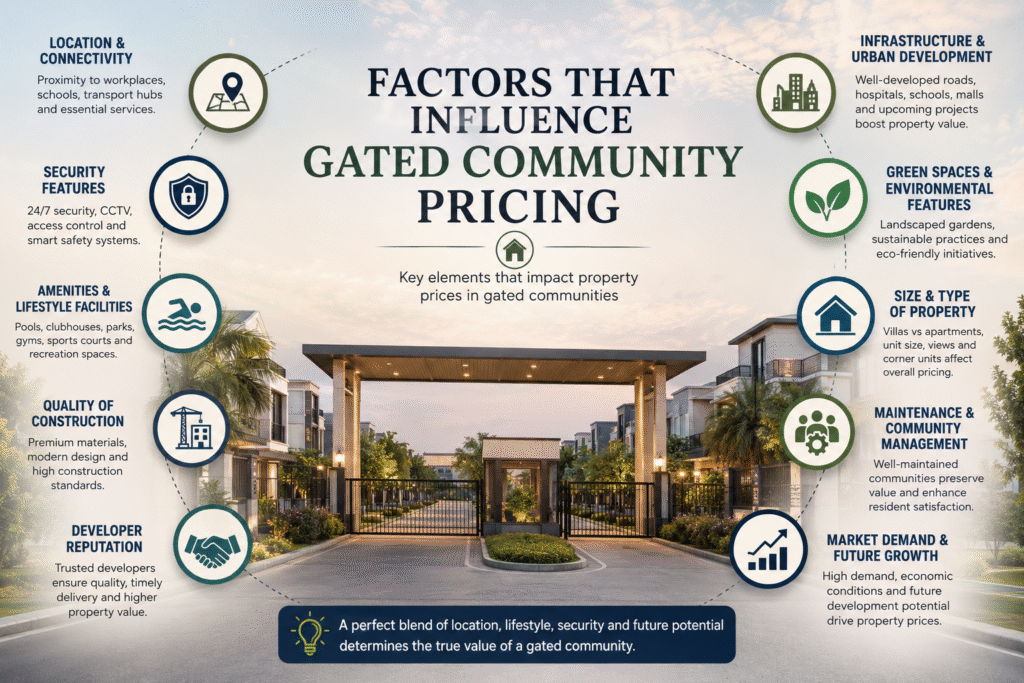
Gated community pricing is influenced by a combination of factors, including location, security, amenities, construction quality, infrastructure, environmental features, and market demand. While premium developments may require higher initial investments, they often provide better lifestyle experiences and stronger long-term value appreciation.
Moreover, changing buyer preferences continue to shape the real estate market. Today, people seek not only comfortable homes but also secure, sustainable, and community-oriented lifestyles. As a result, gated communities remain one of the most attractive residential options for modern living.
Therefore, buyers should carefully evaluate all influencing factors before making a purchase. By understanding what drives pricing, investors and homeowners can make smarter decisions that align with both their financial goals and lifestyle expectations.