Introduction
In recent years, gated communities have evolved far beyond simple residential clusters with boundary walls and security guards. Today, they are transforming into smart ecosystems driven by technology, sustainability, and enhanced living experiences. As urbanization accelerates and people seek safer, more efficient lifestyles, smart gated communities are becoming the future of modern housing. Not only do they offer comfort and convenience, but they also integrate advanced technologies to improve quality of life. Therefore, understanding the future of smart gated communities is essential for homeowners, developers, and city planners alike.
What Are Smart Gated Communities?
To begin with, smart gated communities are residential complexes equipped with advanced digital technologies such as the Internet of Things (IoT), artificial intelligence (AI), and automated systems. Unlike traditional housing, these communities use connected devices to manage security, energy consumption, waste, and communication efficiently. For instance, residents can control lighting, temperature, and appliances through mobile apps. Additionally, community management systems streamline maintenance, visitor access, and emergency responses.
As a result, smart gated communities are not just about living spaces—they are about creating intelligent environments that adapt to residents’ needs.
Technological Advancements Driving the Future
1. Smart Security Systems
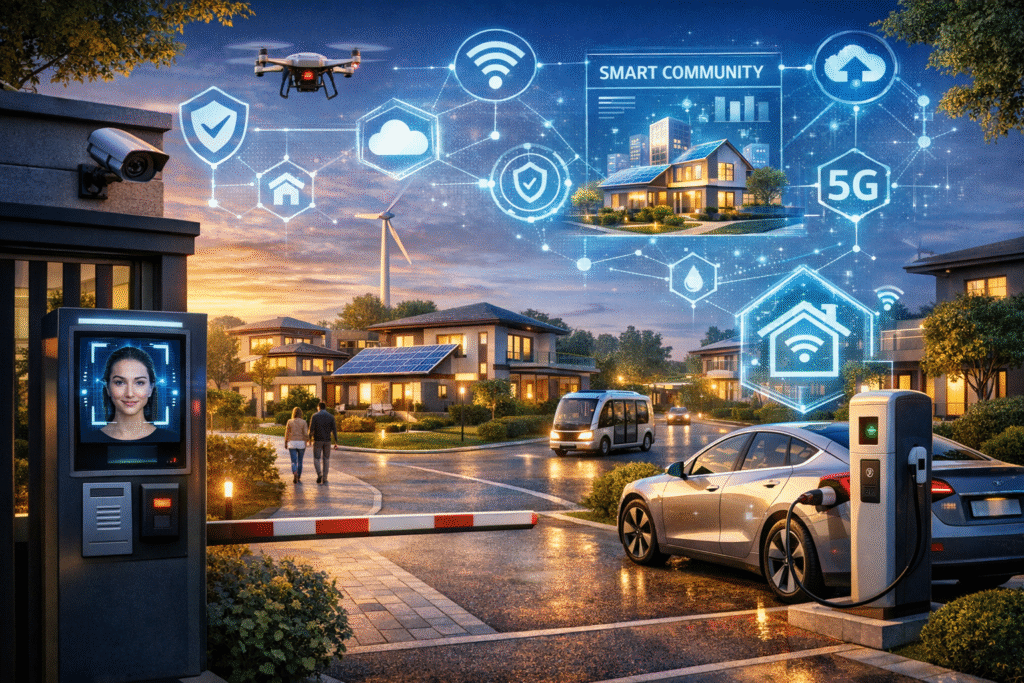
First and foremost, security remains a top priority in gated communities. However, the future lies in intelligent security solutions. Facial recognition, biometric access, and AI-powered surveillance cameras are becoming increasingly common. Moreover, real-time alerts and remote monitoring allow residents to stay informed and safe at all times. Consequently, these technologies reduce human error and enhance overall safety.
2. Internet of Things (IoT) Integration
In addition, IoT plays a crucial role in shaping smart communities. Devices such as smart thermostats, lighting systems, and water meters are interconnected to optimize resource usage. For example, automated systems can adjust energy consumption based on occupancy, thereby reducing waste. Furthermore, predictive maintenance helps identify issues before they become major problems.
3. Automation and AI
Another key factor is the integration of artificial intelligence. AI-driven systems can analyze data to improve efficiency in various aspects, including traffic management, energy usage, and security. For instance, smart parking systems can guide residents to available spots, saving time and reducing congestion. Similarly, AI chatbots can assist with community-related queries, making communication seamless.
Sustainability and Eco-Friendly Living
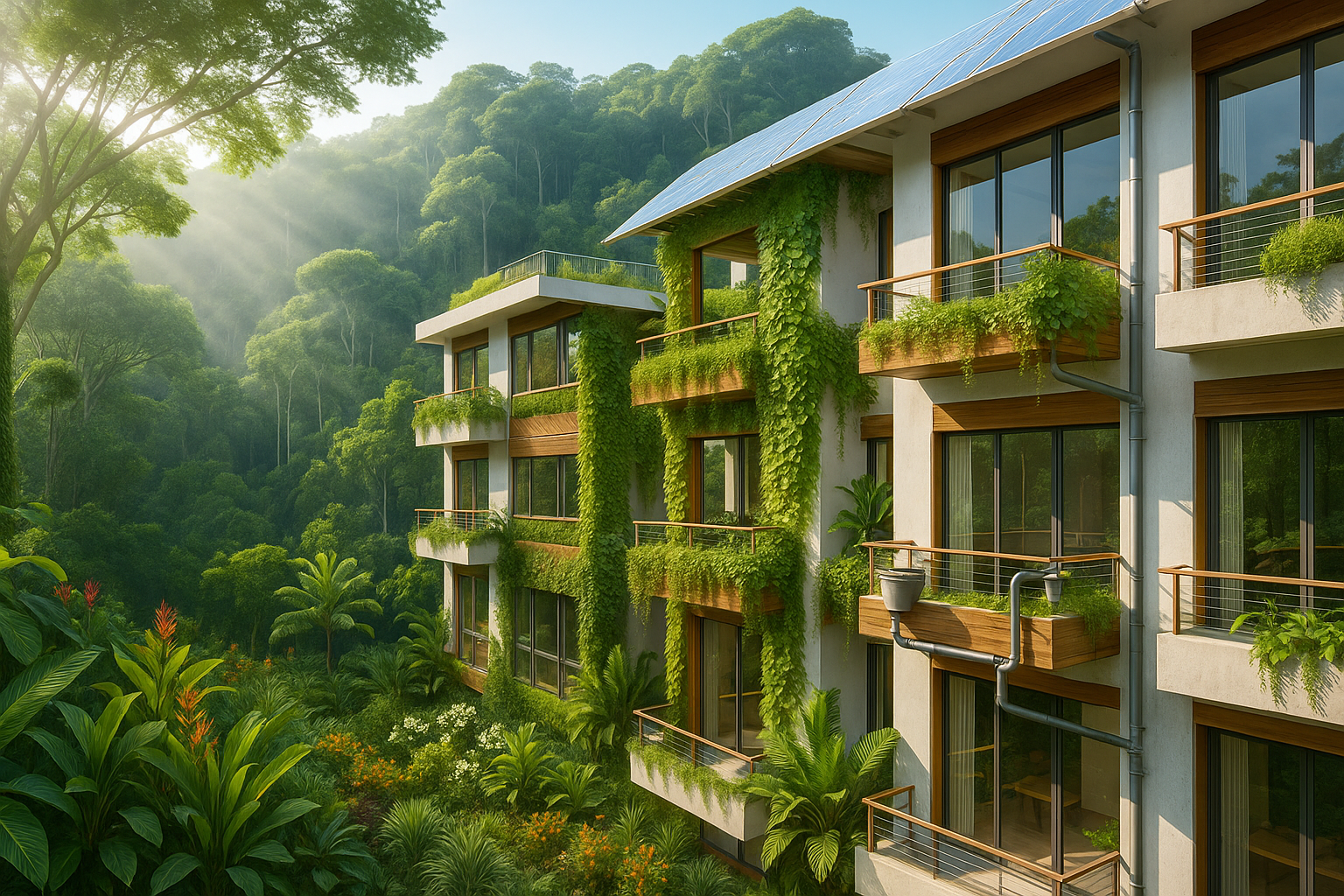
Equally important, the future of smart gated communities focuses on sustainability. As environmental concerns grow, developers are incorporating green practices into residential designs. For example, solar panels, rainwater harvesting systems, and energy-efficient appliances are becoming standard features.
Moreover, waste management systems are being upgraded with smart bins that monitor waste levels and optimize collection schedules. As a result, communities can significantly reduce their environmental footprint. In the long run, these eco-friendly initiatives not only benefit the planet but also lower utility costs for residents.
Enhanced Lifestyle and Convenience
Beyond technology and sustainability, smart gated communities offer a superior lifestyle. For instance, app-based services allow residents to book amenities such as gyms, swimming pools, and community halls effortlessly. Additionally, digital platforms enable easy communication between residents and management.
Furthermore, smart healthcare features, such as telemedicine services and emergency response systems, are gaining popularity. This is especially beneficial for elderly residents who require quick medical assistance. In the same way, smart education hubs and co-working spaces cater to modern work-from-home and learning needs.
Consequently, these features create a holistic living experience that blends comfort, convenience, and connectivity.
Community Engagement and Social Connectivity
Interestingly, technology is also enhancing social interactions within gated communities. While digital tools often reduce face-to-face communication, smart platforms are being used to strengthen community bonds. For example, mobile apps can organize events, share updates, and encourage participation in social activities.
In addition, virtual forums allow residents to discuss concerns, suggest improvements, and collaborate on initiatives. Therefore, smart gated communities are not only technologically advanced but also socially vibrant.
Challenges and Consideration
However, despite numerous advantages, there are certain challenges to consider. Firstly, the cost of implementing smart technologies can be high, which may increase property prices. Secondly, data privacy and cybersecurity are major concerns, as connected systems are vulnerable to hacking.
Moreover, not all residents may be comfortable with advanced technologies, especially older individuals. Therefore, developers must ensure user-friendly systems and provide adequate support. On the other hand, proper regulations and security measures can address these issues effectively.
Future Trends to Watch
Looking ahead, several trends are set to redefine smart gated communities:
- 5G Connectivity: Faster internet speeds will enhance real-time communication and automation.
- Blockchain Technology: Secure transactions and transparent community management systems.
- Smart Mobility: Electric vehicle charging stations and shared mobility services.
- Digital Twins: Virtual models of communities for better planning and maintenance.
- Hyper-Personalization: AI-driven services tailored to individual preferences.
As these innovations continue to develop, smart gated communities will become even more efficient and resident-centric.
Conclusion
In conclusion, the future of smart gated communities lies in the seamless integration of technology, sustainability, and human-centric design. As cities become more crowded and lifestyles more demanding, these communities offer a practical solution for modern living. Not only do they enhance safety and efficiency, but they also promote eco-friendly practices and social connectivity.
Ultimately, smart gated communities represent a shift towards intelligent living, where convenience meets innovation. Therefore, as technology continues to evolve, these communities will play a vital role in shaping the future of urban housing.