Over the past few decades, the concept of gated communities has undergone a remarkable transformation. What once began as exclusive clusters of luxury villas has now evolved into diverse residential ecosystems featuring towering high-rises, smart amenities, and sustainable living solutions. This shift reflects not only changing architectural trends but also evolving lifestyles, urban challenges, and technological advancements. Therefore, understanding this evolution helps us appreciate how modern gated communities have become more inclusive, efficient, and future-ready.
The Early Days: Villas and Exclusivity
Initially, gated communities were synonymous with sprawling villas and independent houses designed for the affluent. These developments were typically located on the outskirts of cities, where land was abundant and affordable. Moreover, the focus was on privacy, luxury, and exclusivity.
In these early communities, wide roads, landscaped gardens, and private backyards were key highlights. Security was also a major factor, as gated entrances and guards ensured a safe living environment. However, while these communities offered comfort and prestige, they often lacked social interaction and efficient use of space.
Urbanization Sparks Change
As cities expanded and populations grew, the demand for housing increased significantly. Consequently, land availability in prime locations began to shrink. This urban pressure forced developers to rethink traditional villa-based designs.
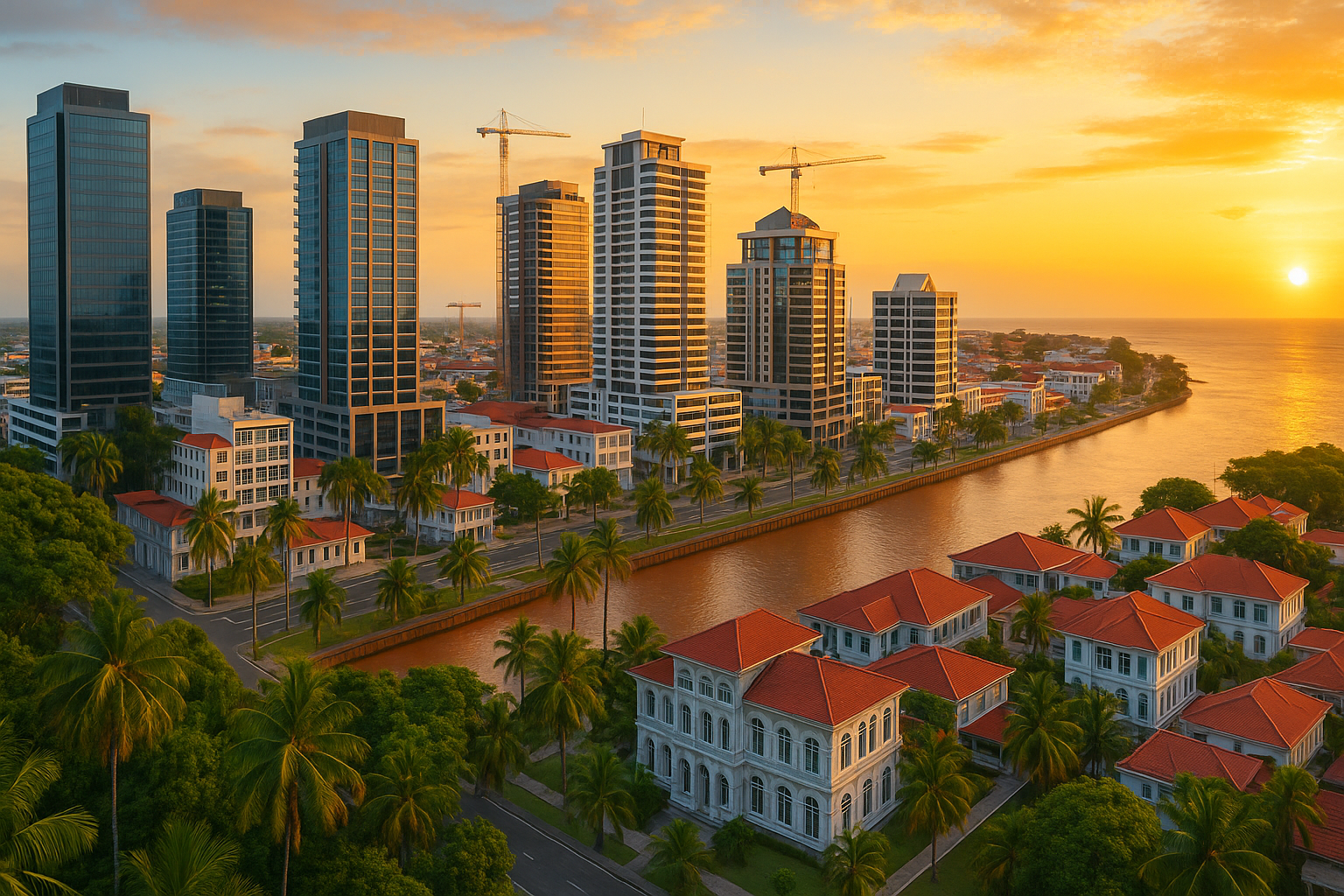
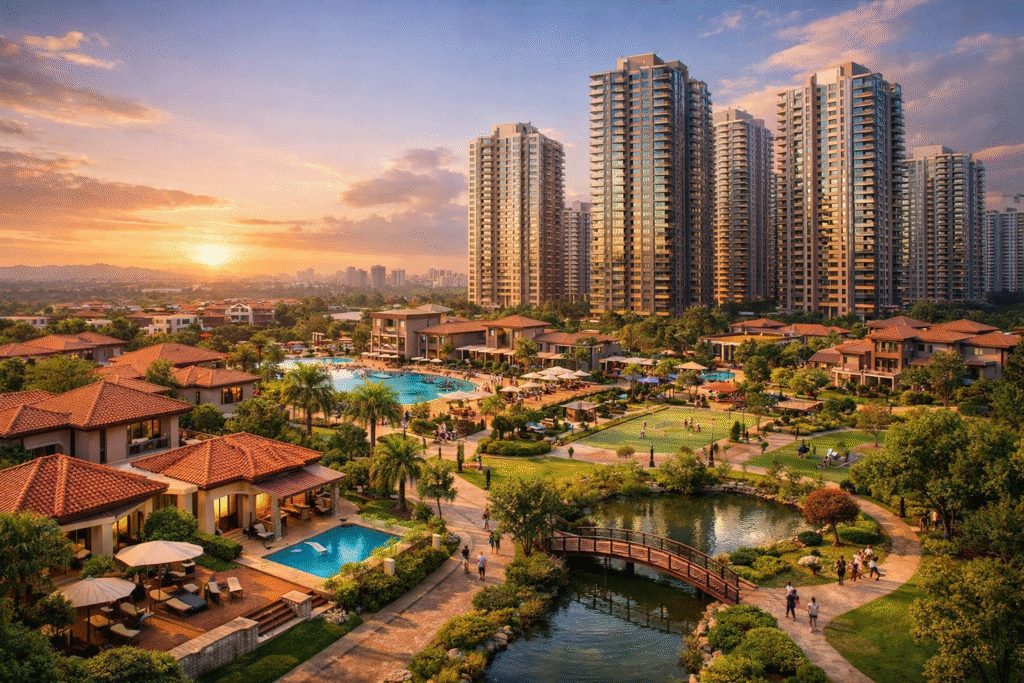
Instead of spreading horizontally, communities started growing vertically. High-rise apartments became a practical solution, allowing more families to live within a limited area. Additionally, this shift enabled developers to include shared amenities such as parks, swimming pools, and clubhouses, which were previously limited to luxury villa communities.
Thus, the transition from villas to high-rises was not just a design choice—it was a necessity driven by urbanization.
The Rise of High-Rise Living
High-rise gated communities soon gained popularity among a broader segment of homebuyers. Not only did they offer affordability compared to villas, but they also provided a sense of community living.
Furthermore, these developments introduced the concept of shared spaces. Residents could interact in common areas like gyms, playgrounds, and community halls. As a result, social connections became stronger, and a sense of belonging emerged.
In addition, high-rise buildings offered stunning city views, better ventilation, and efficient land utilization. Developers also began incorporating modern architectural styles, making these communities visually appealing and functionally efficient.
Integration of Lifestyle Amenities
As competition in the real estate market increased, developers started focusing on lifestyle enhancements. Consequently, gated communities evolved into self-contained ecosystems.
Today, residents can enjoy a wide range of amenities, including:
- Swimming pools
- Fitness centers
- Jogging tracks
- Sports courts
- Co-working spaces
Moreover, many communities now feature retail outlets, cafes, and even schools within the परिसर. This integration reduces the need for long commutes and enhances convenience.
Therefore, modern gated communities are no longer just residential spaces—they are lifestyle destinations
Smart Technology and Security Advancements
Another significant milestone in the evolution of gated community design is the adoption of smart technology. While early communities relied on manual security systems, modern developments leverage advanced digital solutions.
For instance, features such as:
- CCTV surveillance
- Biometric access
- Smart home automation
- Mobile app-based management systems
have become increasingly common. As a result, residents experience enhanced safety, convenience, and control over their living environment.
Additionally, technology enables efficient management of utilities, waste disposal, and maintenance services, making communities more organized and sustainable.
Sustainability Takes Center Stage
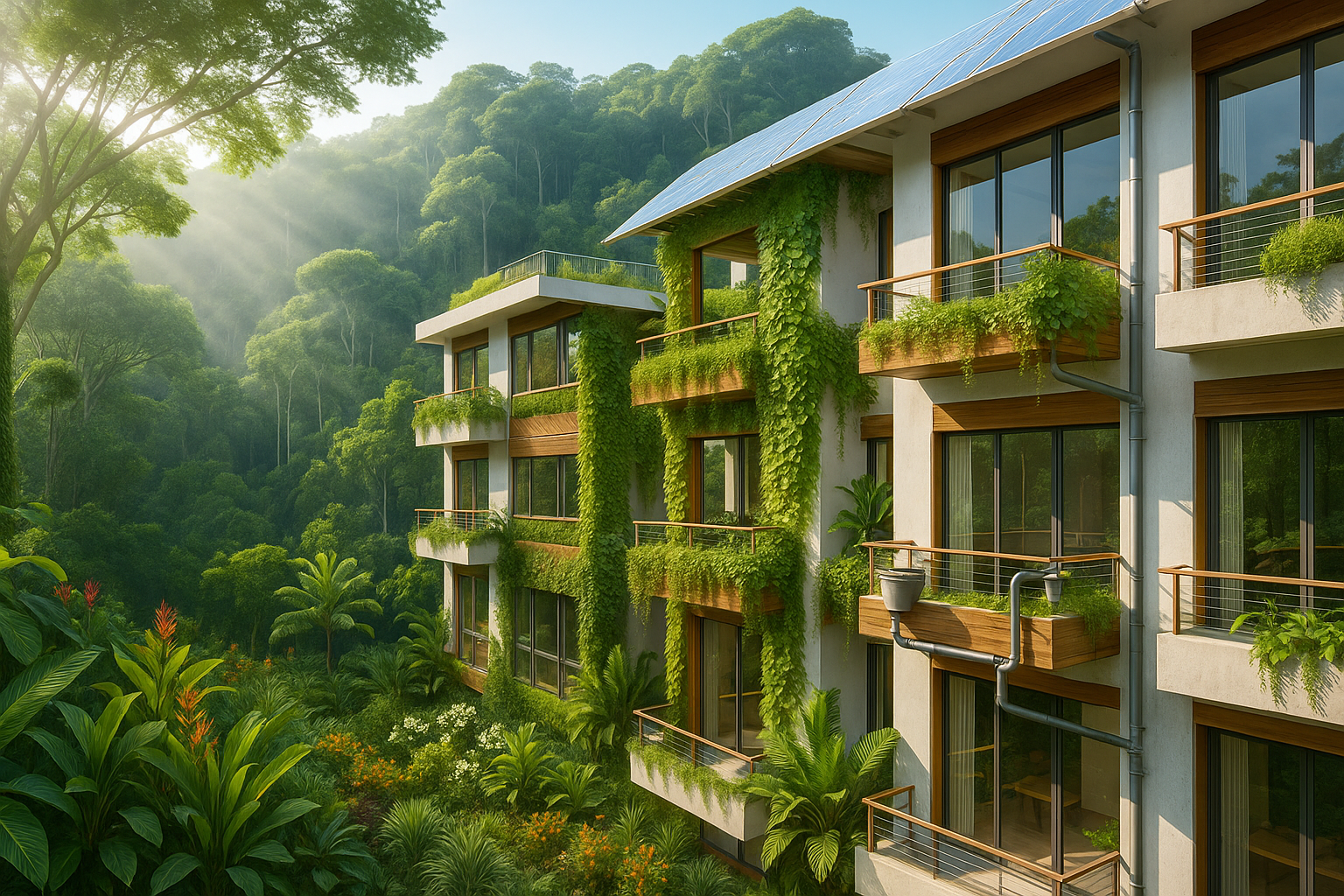
In recent years, sustainability has become a key focus in gated community design. With growing awareness about environmental issues, developers are adopting eco-friendly practices.
For example, many modern communities include:
- Rainwater harvesting systems
- Solar power installations
- Waste segregation and recycling units
- Green building materials
Furthermore, open green spaces, urban gardens, and tree-lined pathways are being prioritized to promote healthier living. These features not only reduce environmental impact but also enhance the overall quality of life.
Thus, sustainability has transformed gated communities into environmentally responsible living spaces.
Community-Centric Design
Unlike earlier villa-based layouts that emphasized privacy, today’s gated communities focus on community engagement. Designers now prioritize spaces that encourage interaction and collaboration.
For instance, amphitheaters, event lawns, and shared lounges create opportunities for residents to connect. Festivals, cultural events, and social gatherings are commonly आयोजित within these communities.
As a result, residents experience a stronger sense of belonging and emotional well-being. This shift highlights the importance of social infrastructure alongside physical infrastructure.
The Role of Mixed-Use Development
Another notable trend is the rise of mixed-use gated communities. These developments combine residential, commercial, and recreational spaces within a single परिसर.
Consequently, residents can live, work, and relax without leaving their community. This concept is particularly beneficial in busy urban environments, where time and convenience are highly valued.
Moreover, mixed-use developments contribute to reduced traffic congestion and improved urban planning.
Challenges and Considerations
Despite their many advantages, modern gated communities also face certain challenges. For instance, high-rise living may sometimes lead to reduced privacy compared to independent villas. Additionally, maintenance costs for advanced amenities can be significant.
However, developers are continuously working to address these issues by optimizing design, improving management systems, and offering flexible housing options.
Looking Ahead: The Future of Gated Communities
Looking forward, the evolution of gated community design is far from complete. Emerging trends such as smart cities, AI-driven management systems, and sustainable urban planning will further shape these developments.
In the future, we can expect:
- Fully automated homes
- Energy-efficient buildings
- AI-powered security systems
- Hyper-connected communities
Furthermore, the integration of nature and technology will play a crucial role in creating balanced living environments.
Conclusion
In conclusion, the journey from villas to high-rises reflects a broader transformation in how we live, interact, and build our communities. While early gated communities focused on luxury and exclusivity, modern designs emphasize efficiency, inclusivity, and sustainability.
Therefore, gated communities today are not just about walls and security—they represent a holistic lifestyle that adapts to the needs of contemporary urban living. As cities continue to evolve, these communities will undoubtedly play a vital role in shaping the future of residential design.