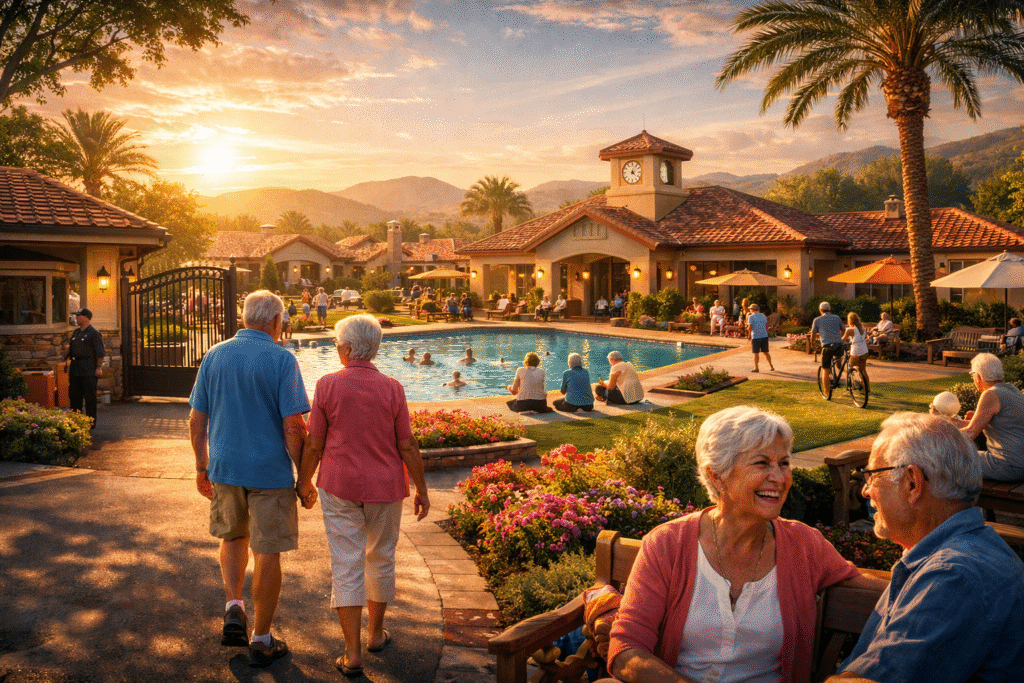
In recent years, the idea of generational living has gained significant attention. Traditionally, multiple generations of a family living together was common in many cultures. However, modern lifestyles, urban migration, and changing family structures gradually shifted this pattern. Now, interestingly, a new version of generational living is emerging—one where seniors choose to live in gated communities while still maintaining strong connections with their families.
This shift is not accidental. Instead, it reflects the evolving needs of older adults who seek comfort, safety, and community in their later years. As a result, gated communities have become a popular housing choice among seniors. To understand this trend better, it is important to explore the reasons behind their preference.
Safety and Security Come First
First and foremost, security is one of the most compelling reasons seniors prefer gated communities. As people age, personal safety becomes a growing concern. Living in a neighborhood with controlled access points, surveillance cameras, and security personnel offers a sense of protection.
Moreover, gated communities typically limit entry to residents and authorized visitors. Consequently, this controlled environment significantly reduces risks such as theft, trespassing, or unwanted disturbances. For seniors who may live alone or whose children reside in different cities, this added layer of security provides both peace of mind and independence.
A Strong Sense of Community
Another major advantage of gated communities is the strong sense of belonging they foster. Seniors often experience loneliness, especially after retirement or when their children move away. In contrast, gated communities are designed to encourage interaction among residents.
For example, many communities organize regular events such as yoga sessions, gardening clubs, walking groups, and festive celebrations. As a result, seniors have frequent opportunities to socialize and build friendships. These interactions help create a supportive network where neighbors look out for one another.
Furthermore, living among people of similar age groups often makes communication easier. Seniors can share experiences, hobbies, and interests, which strengthens emotional well-being.
Access to Convenient Amenities
Equally important, gated communities usually offer a wide range of amenities that make daily life easier. Facilities such as parks, walking tracks, fitness centers, community halls, and healthcare clinics are commonly available within the premises.
For seniors, these amenities eliminate the need to travel long distances for recreation or basic services. For instance, a morning walk in a landscaped garden or participation in a wellness class becomes simple and convenient.
Additionally, many modern gated communities are designed with senior-friendly infrastructure. Features like elevators, ramps, non-slip pathways, and well-lit corridors ensure mobility and accessibility for older residents.
Peaceful and Well-Maintained Environments
Compared to crowded city neighborhoods, gated communities typically provide a cleaner and quieter environment. Proper waste management, landscaped gardens, and organized infrastructure contribute to a pleasant living atmosphere.
Seniors, in particular, appreciate calm surroundings where they can relax and maintain a healthy lifestyle. For example, reduced traffic inside the community makes it safer for walking or cycling. Meanwhile, green spaces offer opportunities for meditation, reading, or simply enjoying nature.
Therefore, the overall environment supports both physical health and mental relaxation, which are essential during later stages of life.
Proximity to Healthcare Services
Healthcare accessibility is another crucial factor influencing seniors’ housing choices. Fortunately, many gated communities are strategically located near hospitals, pharmacies, and diagnostic centers.
In some cases, communities even provide on-site medical facilities or tie-ups with nearby healthcare providers. Regular health check-ups, emergency response systems, and medical assistance services add an extra level of reassurance.
Consequently, seniors and their families feel more confident knowing that help is readily available if health issues arise.
Independence with Family Connection
Interestingly, many seniors who move into gated communities still maintain strong relationships with their children and grandchildren. Instead of living in the same house, families often choose to live within the same community or nearby neighborhoods.
This arrangement creates a modern form of generational living. Seniors enjoy independence and privacy, while still remaining close enough for regular visits and support. For example, grandparents may spend evenings with their grandchildren, yet return to their own comfortable homes afterward.
Thus, gated communities provide the perfect balance between autonomy and family closeness.
Maintenance-Free Living
Another appealing aspect is the low-maintenance lifestyle offered by gated communities. Home maintenance tasks such as landscaping, waste collection, security monitoring, and infrastructure repairs are usually managed by the community administration.
For seniors, this arrangement eliminates the burden of handling repairs or coordinating services independently. Instead, they can focus on hobbies, travel, or spending time with loved ones.
Furthermore, professional maintenance ensures that the environment remains clean, functional, and safe throughout the year.
Opportunities for Active Aging
Equally noteworthy, gated communities promote the concept of active aging. Rather than slowing down completely after retirement, many seniors prefer to stay physically and mentally engaged.
Community gyms, swimming pools, hobby centers, and cultural events provide opportunities to remain active. In addition, some communities offer workshops, volunteering programs, and educational activities.
As a result, seniors can continue learning new skills, meeting new people, and maintaining a vibrant lifestyle.
Emotional Well-Being and Reduced Isolation
Finally, the emotional benefits of living in a supportive environment cannot be overlooked. Loneliness and isolation are common challenges faced by older adults. However, gated communities help reduce these feelings by encouraging social interaction and mutual support.
Neighbors often become close companions, celebrating festivals together, sharing meals, or simply chatting during evening walks. These small moments of connection significantly improve emotional health and happiness.
Consequently, seniors feel valued, engaged, and part of a meaningful community.
Conclusion
In conclusion, the rising popularity of gated communities among seniors reflects changing housing preferences and lifestyle priorities. Safety, community interaction, accessible amenities, healthcare proximity, and peaceful environments make these communities particularly appealing for older adults.
At the same time, gated living supports a modern form of generational connection, where seniors maintain independence while staying close to family members. This balance between privacy, security, and social engagement creates a fulfilling living experience.
As societies continue to age and urban spaces evolve, gated communities are likely to play an increasingly important role in supporting comfortable and active senior living. Ultimately, they offer more than just housing—they provide a community where seniors can thrive, connect, and enjoy life with dignity and comfort.