Reimagining Community Design
Cities around the world are rediscovering an age-old truth: the best communities bring living, working, and leisure together in seamlessly integrated spaces. Mixed-use developments represent a return to human-scale urban design while incorporating modern amenities and sustainability principles that make them ideal for contemporary lifestyles.
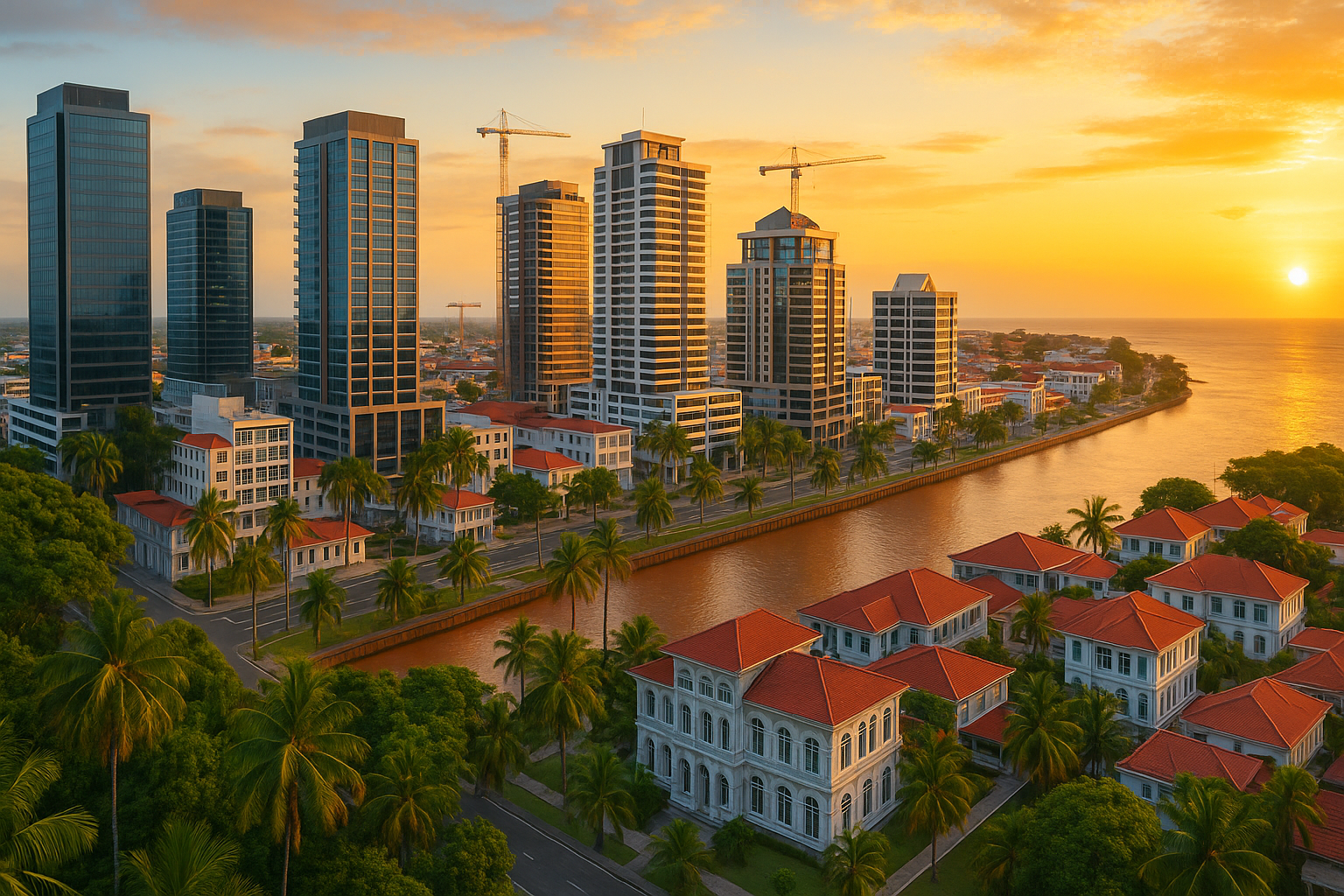
In Guyana, where urbanization is accelerating alongside economic growth, mixed-use developments offer solutions to challenges facing both developers and residents. These integrated communities are reshaping how Guyanese experience urban life.
What Defines a Mixed-Use Development?
True mixed-use developments integrate multiple functions—residential, commercial, office, hospitality, and recreational—within a single, walkable area. Unlike traditional zoning that separates uses into distinct districts, mixed-use projects create vibrant neighborhoods where people can live, work, shop, and socialize without extensive travel.
The key is thoughtful integration. A well-designed mixed-use community doesn’t simply stack different uses on top of each other; it creates synergies that make the whole greater than the sum of its parts.
Benefits for Residents
Convenience and Lifestyle
Imagine stepping out of your apartment to grab coffee, walking five minutes to work, meeting friends for lunch at a nearby restaurant, and returning home without ever getting in a car. This is the reality in well-designed mixed-use communities.
This convenience translates directly to quality of life. Time saved on commuting becomes time for family, hobbies, or relaxation. The ability to accomplish daily tasks on foot or by bicycle promotes healthier, more active lifestyles.
Community Connection
Traditional suburban developments often lack the communal spaces and natural foot traffic that foster neighborhood bonds. Mixed-use developments, by contrast, create opportunities for spontaneous interactions and genuine community building.
Shared amenities like parks, plazas, and community centers become natural gathering places. The presence of residential units alongside commercial spaces ensures streets remain active throughout the day and evening, creating safer, more vibrant neighborhoods.
Long-Term Value
Properties in well-executed mixed-use developments typically appreciate faster than comparable single-use properties. The convenience, amenities, and community appeal create sustained demand that supports property values through market cycles.
Advantages for Businesses
Built-In Customer Base
Commercial tenants in mixed-use developments benefit from immediate access to residents who become regular customers. This built-in customer base reduces marketing costs and provides stable revenue streams.
Restaurants, cafes, retail shops, and service businesses thrive in environments with consistent foot traffic throughout the day. Office workers provide lunch crowds, residents support evening and weekend business, and visitors to hospitality venues add additional customers.
Talent Attraction
Companies increasingly recognize that location matters for recruiting and retaining talent. Office spaces within vibrant mixed-use communities offer employees desirable work environments with convenient access to services and amenities.
This becomes particularly important as younger workers prioritize work-life balance and prefer urban environments that support walkable, car-optional lifestyles.
Cost Efficiency
Shared infrastructure within mixed-use developments reduces overhead costs. Centralized utilities, shared parking facilities, and common area maintenance can be more efficient than standalone facilities.
Professional facilities management services within mixed-use developments ensure consistent quality across the property while spreading costs across multiple tenants and uses.
Economic Benefits for Developers and Investors
Diversified Revenue Streams
Mixed-use developments provide multiple income sources—residential rents or sales, commercial leases, hospitality revenues, and parking income. This diversification reduces risk compared to single-use properties vulnerable to market fluctuations in one sector.
When residential markets soften, strong commercial demand may compensate. When office vacancies rise, residential and retail components continue generating income. This balance creates more stable, predictable returns.
Efficient Land Use
In markets where developable land is limited or expensive, mixed-use projects maximize value per square foot. By building vertically and integrating multiple uses, developers can achieve higher returns on land investment while creating more urban density without sprawl.
This efficiency aligns with both economic objectives and sustainable development principles, making mixed-use projects attractive to investors increasingly focused on ESG (Environmental, Social, and Governance) criteria.
Market Resilience
The diversified nature of mixed-use developments provides resilience through economic cycles. Different property types peak and trough at different times, smoothing overall performance and reducing volatility.
This stability appeals to institutional investors seeking long-term, risk-adjusted returns, potentially increasing the pool of capital available for such projects.
Design Principles for Success
Integration, Not Isolation
Successful mixed-use developments don’t simply place different uses adjacent to each other—they integrate them thoughtfully. Ground-floor retail activates streets and provides amenities for upper-floor residents and office workers. Office spaces benefit from nearby restaurants and services. Residential units enjoy access to commercial conveniences.
Professional development teams understand how to create these synergies through careful planning and design that considers traffic patterns, noise management, and complementary uses.
Quality Construction Matters
Mixed-use developments require sophisticated construction that addresses different building systems for various uses while maintaining aesthetic coherence. Residential floors need sound insulation from commercial areas below. Office spaces require different HVAC systems than apartments. Hospitality components have unique infrastructure needs.
Quality construction ensures each component performs optimally while contributing to the project’s overall success and longevity.
Public Spaces as Anchors
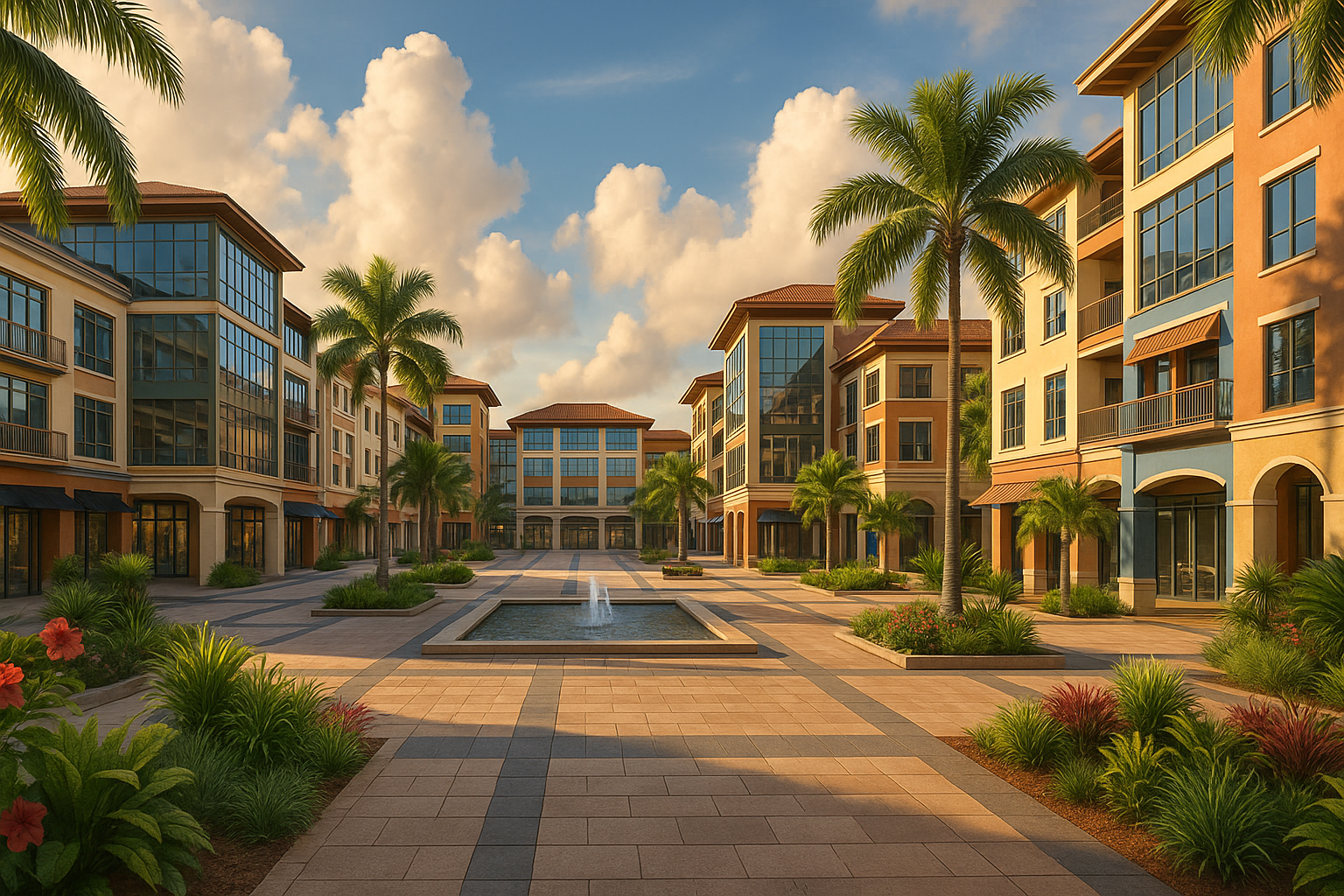
Great mixed-use developments feature compelling public spaces—plazas, parks, courtyards, or promenades—that serve as community focal points. These spaces host events, provide gathering places, and create the sense of place that distinguishes memorable developments from forgettable ones.
Guyana’s Mixed-Use Opportunity
As Guyana’s cities grow and evolve, mixed-use developments offer a path toward creating world-class urban environments that rival international standards while respecting local culture and context.
The economic boom provides capital and demand for ambitious projects. The challenge lies in ensuring growth creates communities—not just buildings—that serve residents, businesses, and visitors for generations.
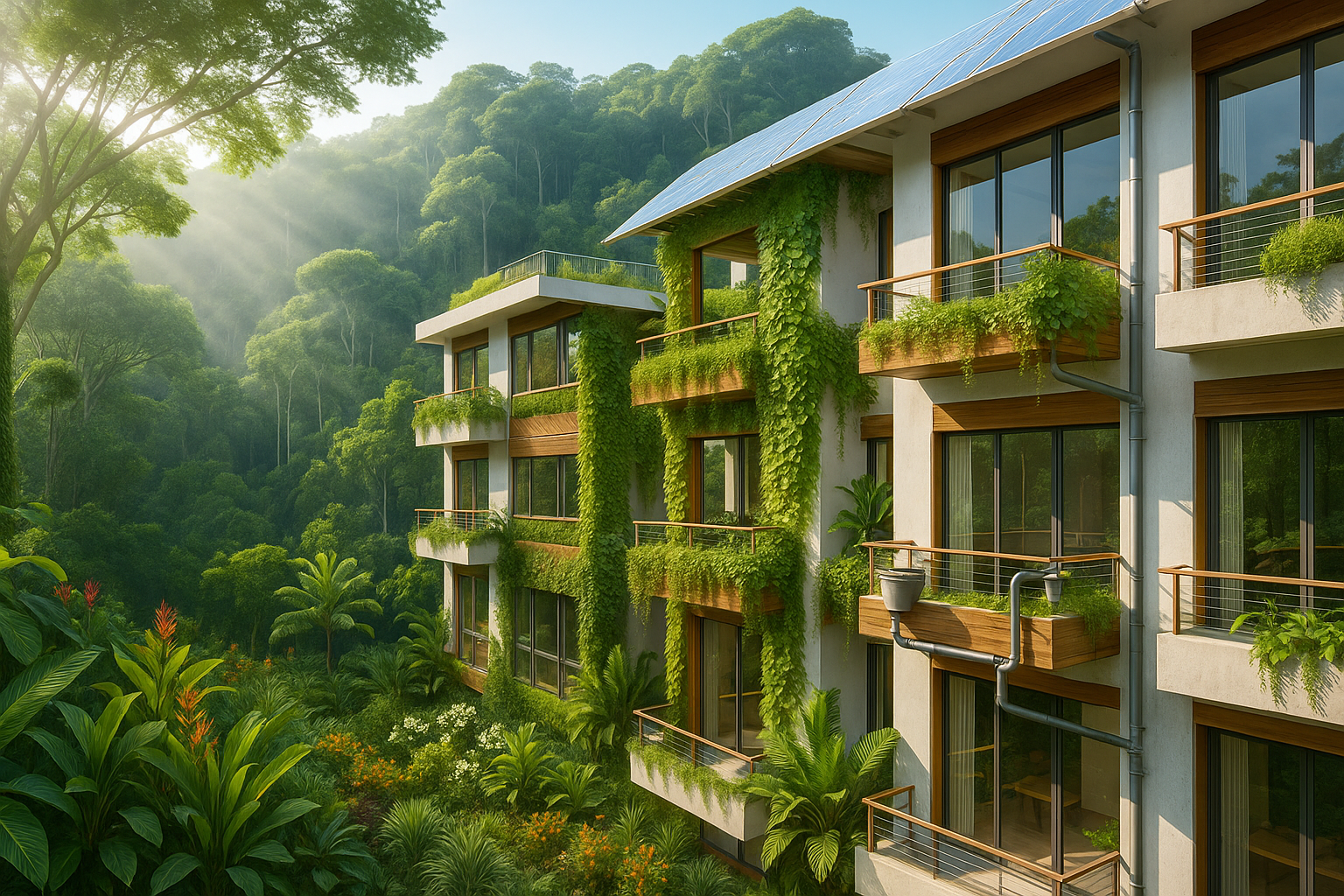
Mixed-use developments that incorporate sustainable practices, thoughtful design, and professional management will define Guyana’s urban landscape for decades to come. They represent opportunity for visionary developers and investors willing to think beyond traditional real estate models.
Planning Your Mixed-Use Investment
Whether you’re a developer considering your next project or an investor evaluating opportunities, mixed-use developments warrant serious consideration. The complexity requires experienced partners who understand the nuances of integrating multiple property types while maintaining financial viability.
Success demands expertise across residential, commercial, and hospitality sectors, along with sophisticated project management that coordinates complex timelines and stakeholder needs.
For those ready to participate in shaping Guyana’s urban future, mixed-use developments offer compelling opportunities to create lasting value while building communities that truly enhance quality of life.
Want to explore how mixed-use development could fit your investment strategy? Learn more about our integrated approach to creating landmark communities, or connect with our team to discuss your vision.
Keywords: mixed-use development Guyana, urban development Caribbean, integrated community design, residential commercial development, mixed-use real estate investment, walkable communities, sustainable urban development, Guyana urban planning, live-work-play developments