Cities no longer grow outward—they grow upward. As urban land becomes scarce and populations rise, apartment towers have transformed from simple stacks of homes into something far more meaningful. Today, many high-rise buildings function as vertical neighborhoods, places where people don’t just live side by side but actively share experiences, spaces, and a sense of belonging. This shift marks a powerful change in how modern cities define community.
From Isolated Units to Shared Living
In the past, apartment towers often felt impersonal. Residents entered their units, shut the door, and disappeared into private lives. However, this model no longer suits the needs of modern urban dwellers. People now crave connection, convenience, and community—even while living several floors above the ground.
As a result, architects and developers have reimagined apartment towers. Instead of focusing only on private units, they design buildings around shared amenities, social spaces, and everyday interactions. Consequently, towers now encourage residents to meet, collaborate, and form relationships without ever leaving the building.
Why Vertical Neighborhoods Are Emerging
Several forces drive the rise of vertical neighborhoods. First and foremost, urban density demands smarter use of space. Since cities cannot endlessly expand horizontally, vertical living offers a practical solution.
At the same time, lifestyles have changed. Remote work, flexible schedules, and digital connectivity allow people to spend more time at home. Therefore, residents expect their living spaces to support work, wellness, leisure, and social life under one roof.
Moreover, younger generations value experiences over square footage. Rather than choosing larger apartments in distant suburbs, many prefer centrally located towers that offer shared lounges, gyms, libraries, and gardens. In this way, vertical neighborhoods meet both emotional and practical needs.
The Architecture of Community
Design plays a crucial role in shaping vertical neighborhoods. Architects now think beyond height and aesthetics. Instead, they focus on human interaction at every level.
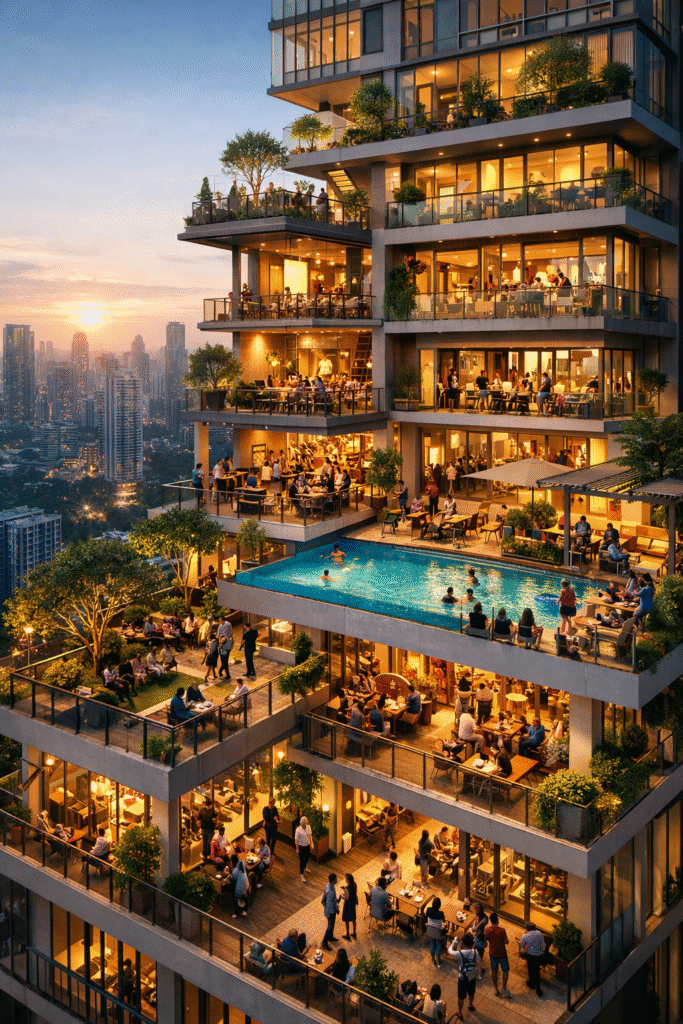
For example, sky gardens break long vertical stretches into smaller communal zones. Similarly, shared terraces, co-working floors, and multipurpose halls act as gathering points. These spaces encourage spontaneous conversations and repeated encounters, which naturally build familiarity.
Additionally, wide corridors, visible staircases, and open lobbies replace narrow, closed-off layouts. As a result, residents feel invited to linger rather than rush through common areas. Over time, these design choices turn strangers into neighbors.
Amenities That Mirror a Town
Vertical neighborhoods thrive because they replicate the functions of a small town. Instead of spreading services across streets, towers stack them thoughtfully across floors.
Typically, lower levels host cafés, grocery stores, childcare centers, or clinics. Meanwhile, mid-level floors often include gyms, yoga studios, and co-working spaces. Higher levels may feature rooftop gardens, event spaces, or meditation zones.
Because of this arrangement, residents enjoy daily convenience. More importantly, they encounter the same faces repeatedly, which strengthens social bonds. Even brief interactions—like greeting someone at the elevator or sharing a workspace—add up over time.
Technology as a Social Connector
Technology also supports vertical neighborhoods. Many apartment towers now use digital platforms to enhance communication among residents. Through building apps, people can book amenities, receive announcements, or join interest-based groups.
Furthermore, smart systems improve safety and efficiency. Facial recognition, keyless entry, and energy monitoring make buildings feel secure and responsive. When residents trust their environment, they feel more comfortable engaging with others.
At the same time, technology helps management organize events such as movie nights, fitness classes, or cultural celebrations. These activities bring residents together and create shared memories, which strengthen the neighborhood identity.
Sustainability Strengthens Community
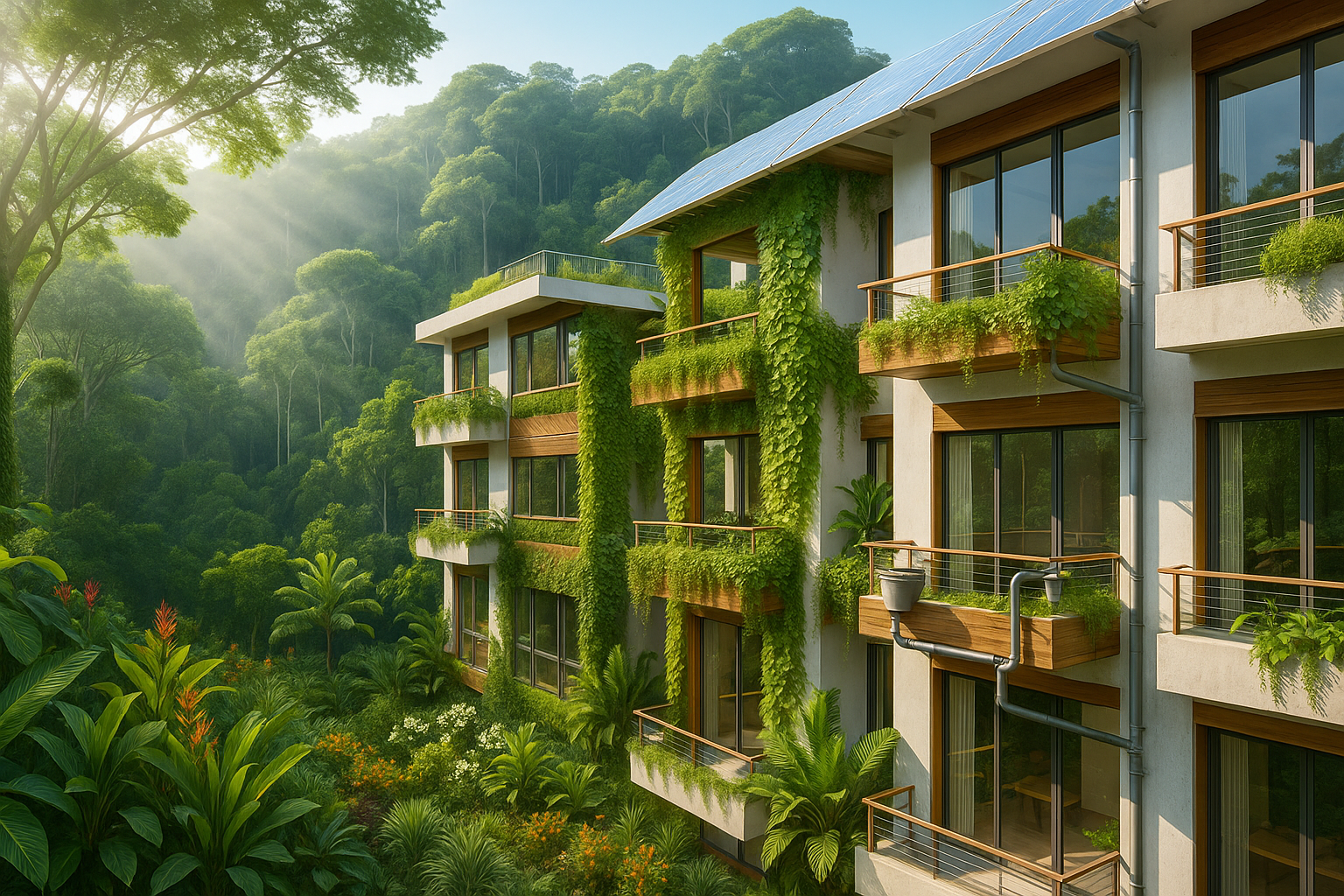
Interestingly, sustainability plays a key role in vertical neighborhoods. Green buildings often encourage collective responsibility. For instance, shared solar panels, rainwater harvesting systems, and waste segregation programs require cooperation.
As residents participate in eco-friendly initiatives, they develop a sense of shared purpose. Moreover, communal gardens and green terraces offer peaceful spaces where people can relax together. These natural elements soften the intensity of high-rise living and support mental well-being.
Because sustainability benefits everyone, it naturally fosters collaboration and pride among residents.
Redefining Privacy and Social Balance
While vertical neighborhoods emphasize community, they do not eliminate privacy. Instead, they strike a careful balance. Residents can retreat into their private apartments while still accessing social spaces when they choose.
Importantly, modern towers offer layers of interaction. Quiet zones coexist with active areas. Some floors remain purely residential, while others invite gathering. This flexibility allows people to engage at their own comfort level.
As a result, introverts and extroverts alike find spaces that suit their personalities. The building adapts to the resident—not the other way around.
Cultural Diversity in the Sky
Another defining feature of vertical neighborhoods is cultural diversity. Apartment towers often house people from different backgrounds, professions, and age groups. When designed thoughtfully, these towers become spaces of cultural exchange.
Shared kitchens, festival celebrations, and community notice boards allow residents to learn from one another. Over time, traditions blend, and mutual respect grows. In this sense, vertical neighborhoods reflect the multicultural reality of modern cities.
Rather than isolating individuals, high-rise living now amplifies collective identity.
Challenges and the Road Ahead
Despite their advantages, vertical neighborhoods face challenges. Poor management, overcrowding, or poorly designed common areas can weaken community bonds. Therefore, success depends on thoughtful planning and long-term maintenance.
Developers must prioritize people over profit. Likewise, residents must actively participate to keep the neighborhood alive. When both sides collaborate, vertical neighborhoods flourish.
Looking ahead, cities will continue to grow taller. However, height alone does not define progress. The real achievement lies in creating towers that feel warm, inclusive, and human.
Conclusion: Cities Within Buildings
The rise of vertical neighborhoods signals a profound shift in urban living. Apartment towers no longer serve as mere shelters; they function as miniature cities stacked in the sky. Through smart design, shared amenities, technology, and sustainability, these buildings restore a sense of community that dense cities often lose.
Ultimately, vertical neighborhoods prove that even in the tallest towers, human connection can rise higher. If cities want to grow without losing their soul, this model offers a promising path forward.