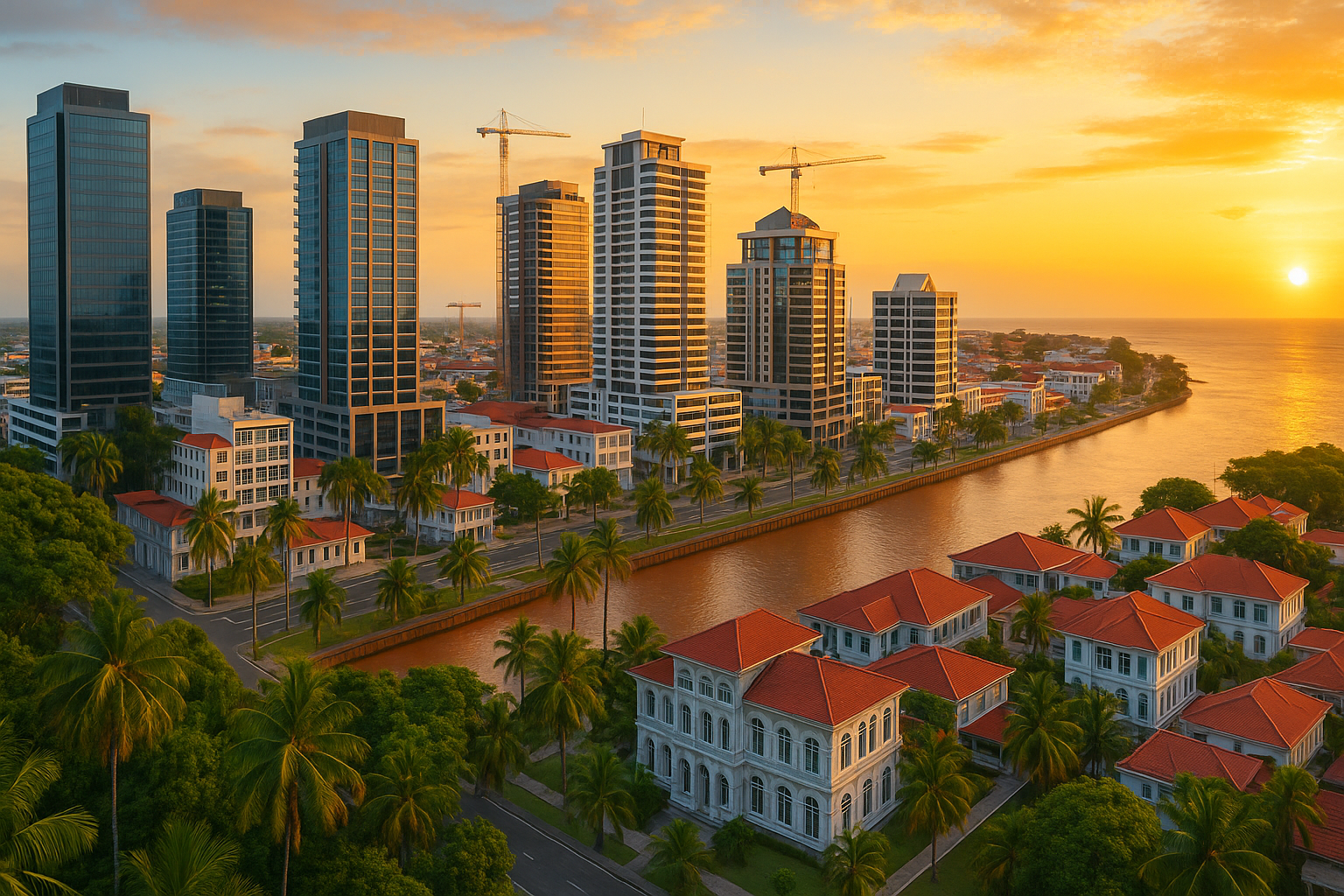
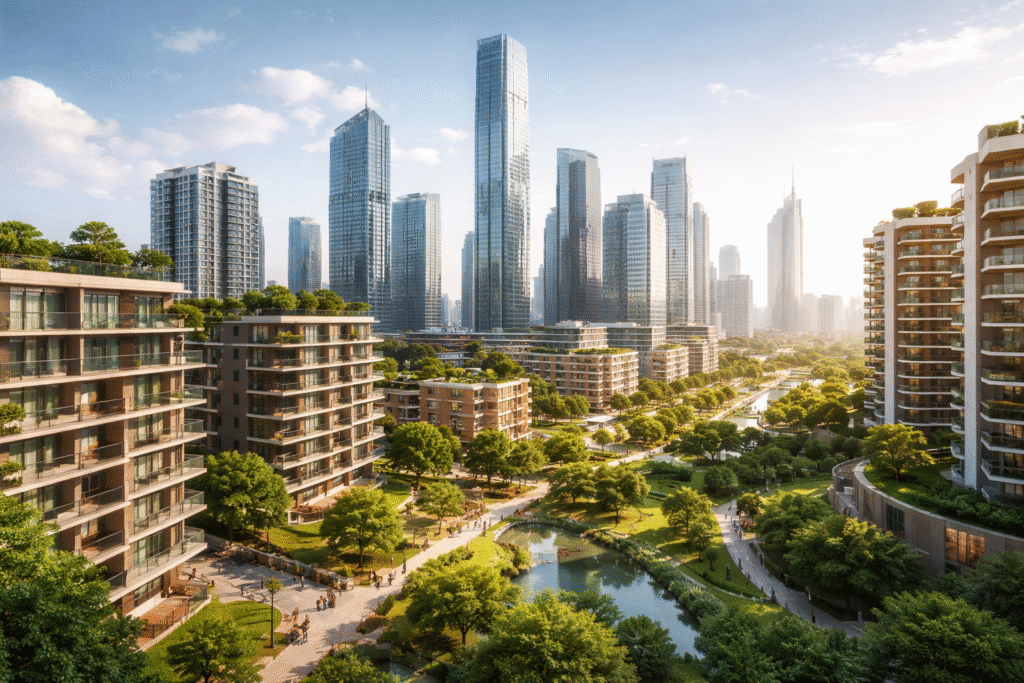
Real estate is more than buying and selling land or buildings—it is about shaping how people live, work, and invest in their future. From family homes and commercial spaces to smart cities and sustainable developments, real estate plays a central role in economic growth and everyday life. As lifestyles evolve and urban needs change, the real estate industry continues to adapt, innovate, and redefine modern living.
Understanding the Basics of Real Estate
At its core, real estate refers to land and any permanent structures attached to it, such as houses, apartments, offices, and industrial buildings. The sector is broadly divided into four main categories:
- Residential real estate: Homes, apartments, villas, and condominiums
- Commercial real estate: Offices, retail spaces, hotels, and shopping centers
- Industrial real estate: Warehouses, factories, and logistics hubs
- Land: Undeveloped or agricultural land
Each category serves a different purpose, but together they form the foundation of cities and communities.
The Role of Real Estate in Economic Growth
Real estate is a powerful driver of economic development. It generates employment across construction, architecture, interior design, legal services, and property management. Large-scale developments also stimulate local economies by improving infrastructure, attracting businesses, and increasing property values.
When real estate markets perform well, they create wealth for homeowners and investors. At the same time, responsible development supports long-term stability by meeting housing demand and promoting balanced urban growth.
Residential Real Estate: Creating Spaces to Call Home
Residential real estate is often the most personal segment of the industry. A home is not just a physical structure—it is a place of comfort, safety, and emotional connection. Modern buyers look beyond square footage and focus on factors such as location, community, accessibility, and quality of life.
Today’s residential developments increasingly include amenities like green spaces, fitness centers, security systems, and smart home features. These additions reflect changing lifestyles where convenience, wellness, and sustainability matter more than ever.
Commercial Real Estate: Supporting Business and Innovation
Commercial real estate provides the spaces where businesses operate and grow. Offices, retail outlets, and hospitality properties are designed to enhance productivity, customer experience, and brand identity.
With the rise of remote and hybrid work models, commercial real estate is evolving. Flexible office spaces, co-working environments, and mixed-use developments are becoming popular. These spaces allow businesses to adapt quickly while fostering collaboration and innovation.
Real Estate as a Long-Term Investment
One of the biggest attractions of real estate is its potential as a long-term investment. Unlike many financial assets, property offers both capital appreciation and regular income through rent. Over time, well-located properties tend to increase in value, making real estate a preferred choice for wealth creation.
However, successful investment requires careful research. Factors such as market trends, location, infrastructure development, and legal clarity play a critical role in determining returns. Smart investors focus on long-term fundamentals rather than short-term speculation.
The Impact of Location and Infrastructure
In real estate, location is everything. Proximity to schools, hospitals, workplaces, transportation, and recreational facilities significantly affects property value and demand. Areas with strong infrastructure development often experience faster growth and better returns.
Governments and urban planners play a key role here. Roads, public transport, utilities, and digital connectivity all contribute to making a location desirable. As cities expand, emerging neighborhoods with planned infrastructure are gaining attention from buyers and investors alike.
Technology Transforming the Real Estate Industry
Technology has revolutionized how real estate is bought, sold, and managed. Online property listings, virtual tours, and digital documentation have made the process faster and more transparent. Buyers can now explore properties from anywhere, while developers can reach wider audiences.
Smart buildings equipped with automation systems, energy monitoring, and advanced security are also becoming common. These innovations not only improve convenience but also enhance efficiency and reduce long-term operational costs.
Sustainability and the Future of Real Estate
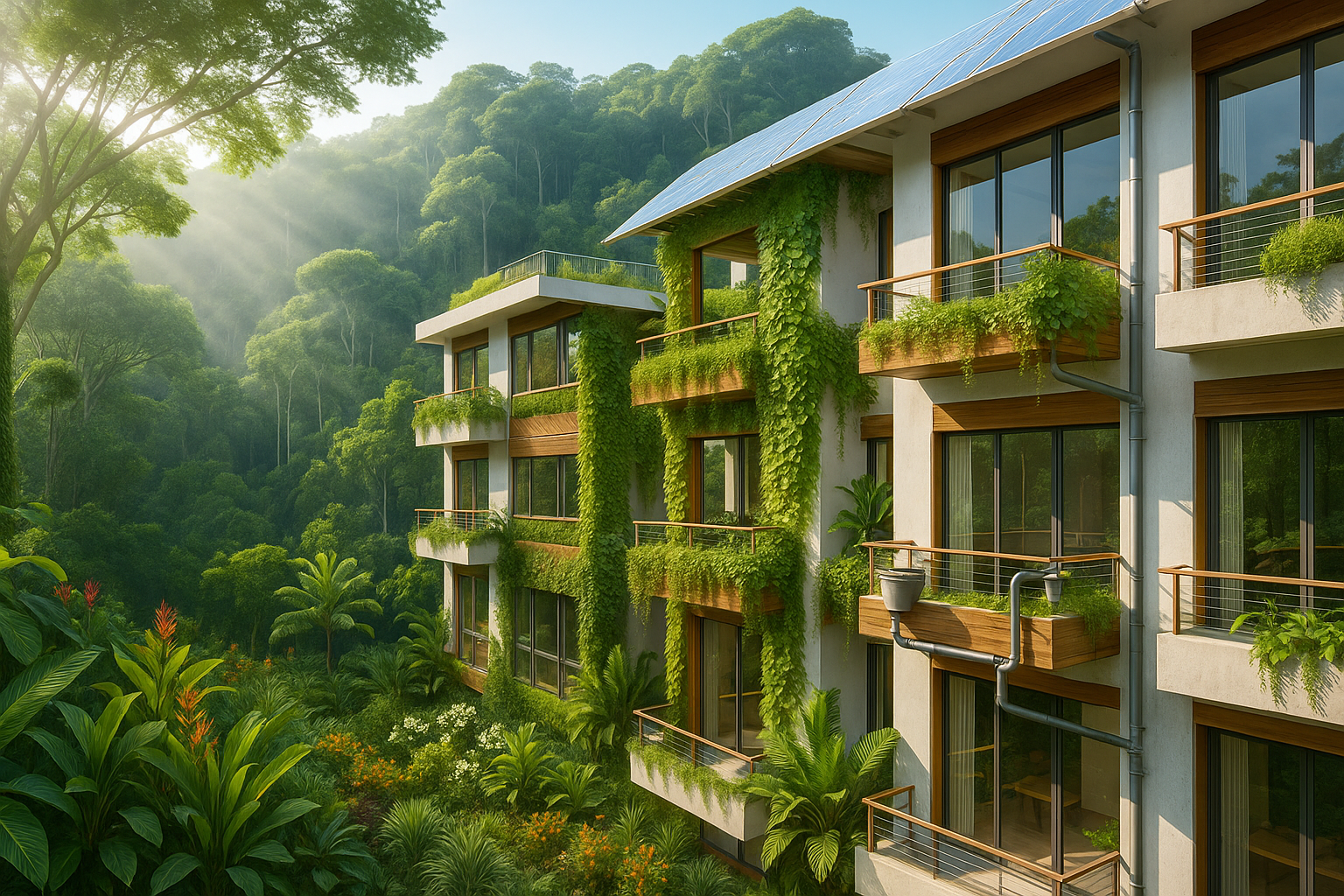
Sustainability is no longer optional in real estate—it is a necessity. Green buildings, energy-efficient designs, and eco-friendly materials are shaping the future of the industry. Developers are focusing on reducing environmental impact while creating healthier living and working spaces.
Features such as solar panels, rainwater harvesting, natural ventilation, and sustainable construction practices are increasingly in demand. Buyers today are more aware of environmental responsibility and prefer properties that align with sustainable values.
Challenges Facing the Real Estate Sector
Despite its growth, the real estate industry faces several challenges. Rising construction costs, regulatory complexities, and affordability concerns can impact development and demand. Market fluctuations and economic uncertainties also influence buyer confidence.
Addressing these challenges requires collaboration between developers, policymakers, and financial institutions. Transparent regulations, innovative financing options, and responsible planning can help create a more resilient real estate ecosystem.
Conclusion: Real Estate as a Reflection of Society
Real estate is more than an industry—it is a reflection of how society evolves. The way homes are designed, cities are planned, and communities are built tells a story about our values, priorities, and aspirations. As technology advances and sustainability becomes central, real estate will continue to adapt to changing needs.
Whether you are a homeowner, investor, developer, or simply someone interested in the built environment, understanding real estate helps you see how spaces shape lives. In the end, real estate is not just about property—it is about building futures, one space at a time.