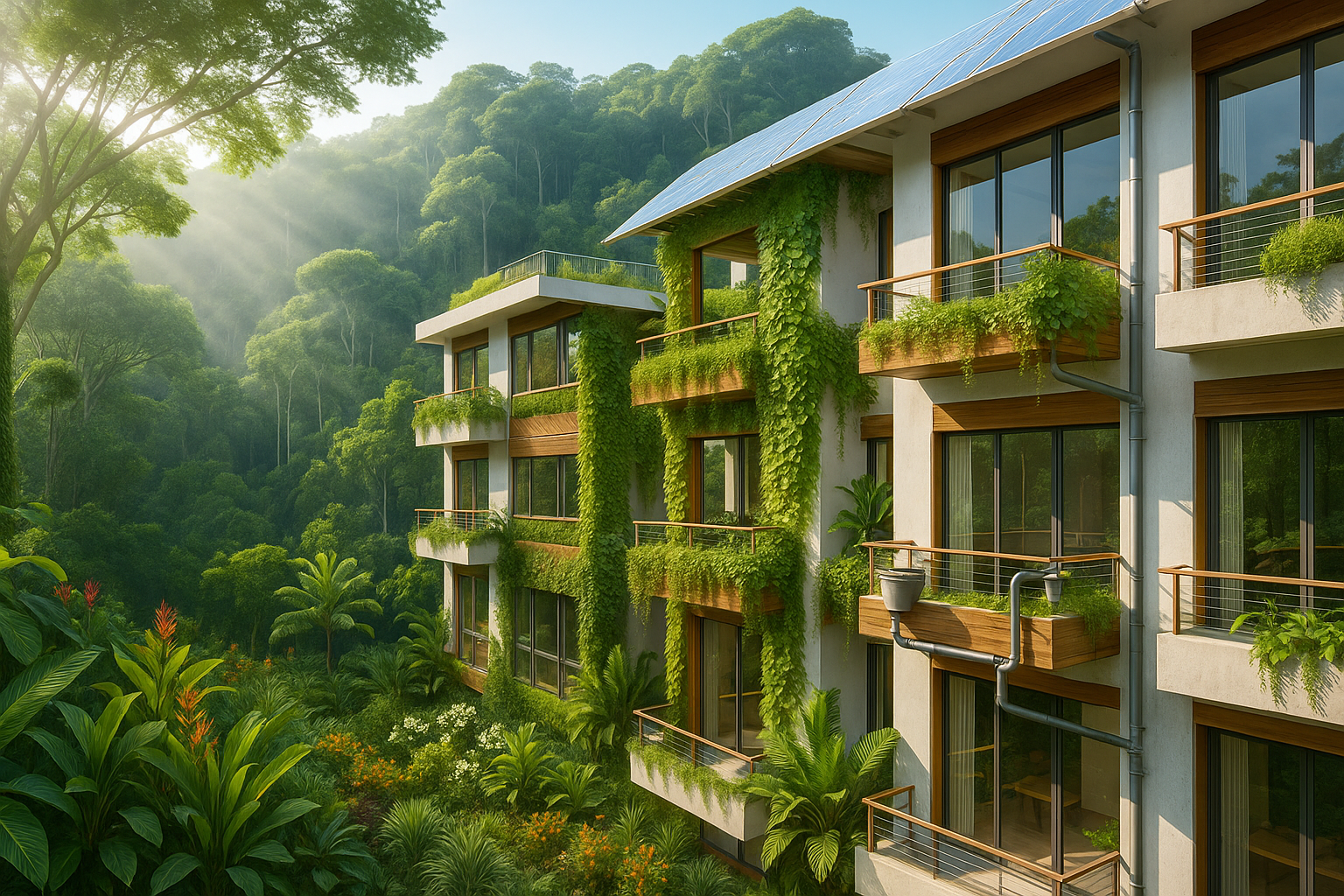
The global construction industry stands at a turning point. As urbanization accelerates and energy demands rise, buildings have become one of the largest contributors to carbon emissions worldwide. In response, net-zero energy buildings (NZEBs) are emerging as a powerful solution—structures designed to produce as much energy as they consume over the course of a year. Far from being a futuristic concept, net-zero buildings are increasingly becoming a practical, necessary standard for sustainable development.
What Is a Net-Zero Energy Building?
A net-zero energy building is designed to achieve a balance between energy consumption and on-site energy production. Through a combination of ultra-efficient building systems and renewable energy sources such as solar or wind, these buildings reduce reliance on external power grids. Over a year, the amount of energy generated equals the amount used, resulting in zero net energy consumption.
Importantly, net-zero does not mean energy-free. Instead, it represents a smart exchange—drawing energy when needed and giving energy back when excess power is generated.
Why Net-Zero Buildings Matter
Buildings account for nearly 40% of global energy-related emissions. Traditional construction methods prioritize short-term costs over long-term efficiency, leading to excessive energy use for heating, cooling, lighting, and ventilation. Net-zero buildings directly challenge this model by addressing climate change, reducing operational costs, and improving occupant health.
In regions vulnerable to rising energy prices and climate risks, net-zero buildings also offer resilience. They provide energy security, lower lifetime expenses, and reduced environmental impact—all while aligning with global sustainability goals.
Core Principles of Net-Zero Building Design
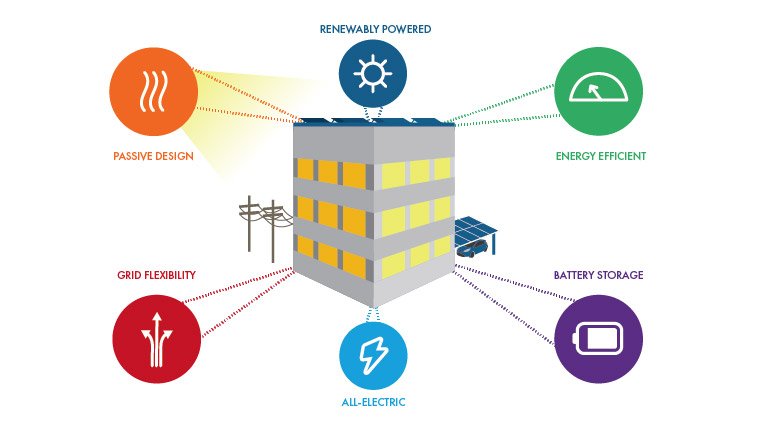
Creating a net-zero energy building begins long before construction starts. The design phase is critical and focuses on reducing energy demand first, then meeting remaining needs with renewables.
1. Passive Design Strategies
Passive design minimizes energy use by working with nature instead of against it. Proper building orientation maximizes daylight and natural ventilation. High-performance insulation, airtight construction, and energy-efficient windows reduce heat gain and loss. Shading devices help regulate indoor temperatures, decreasing the need for artificial cooling.
2. Energy-Efficient Systems
Once energy demand is minimized, efficient systems take over. LED lighting, smart sensors, high-efficiency HVAC systems, and Energy Star-rated appliances significantly reduce electricity consumption. Smart building management systems monitor usage in real time, optimizing performance automatically.
3. Renewable Energy Integration
Solar photovoltaic panels are the most common renewable solution for net-zero buildings, often installed on rooftops or façades. In suitable locations, wind turbines or geothermal systems may be added. Energy storage systems like batteries allow excess energy generated during the day to be used at night, increasing independence from the grid.
Materials That Support Net-Zero Goals
Material selection plays a crucial role in achieving net-zero performance. Low-carbon materials such as fly-ash concrete, recycled steel, cross-laminated timber, and locally sourced products reduce embodied energy—the energy used in producing and transporting materials.
Advanced glazing, cool roofs, reflective surfaces, and breathable wall systems further enhance energy efficiency. Increasingly, builders are also considering the full life cycle of materials, choosing options that are durable, recyclable, and environmentally responsible.
Economic and Social Benefits
While net-zero buildings may have slightly higher upfront costs, the long-term financial benefits are substantial. Lower energy bills, reduced maintenance expenses, and protection against future energy price hikes make them economically attractive over time. Many governments and institutions also offer incentives, tax benefits, and faster approvals for sustainable projects.
Beyond cost savings, net-zero buildings improve indoor air quality, thermal comfort, and natural lighting. Studies show that healthier indoor environments increase productivity, reduce sick days, and enhance overall well-being—especially important in homes, schools, and workplaces.
Challenges in Adoption
Despite their advantages, net-zero buildings still face challenges. Limited awareness, lack of skilled professionals, and initial cost perceptions can slow adoption. In some regions, renewable infrastructure or supportive building codes are still developing.
However, these barriers are rapidly diminishing. Technological advances, falling renewable energy costs, and stronger environmental regulations are making net-zero construction more accessible than ever.
The Future of Building Is Net-Zero
As cities expand and climate commitments become more urgent, net-zero energy buildings are transitioning from niche projects to mainstream solutions. Architects, engineers, and developers are rethinking how buildings interact with energy, the environment, and people.
In the near future, net-zero may no longer be seen as an innovation—but as the minimum standard. By investing in net-zero buildings today, the construction industry is not just creating structures; it is shaping a more sustainable, resilient, and responsible built environment for generations to come.