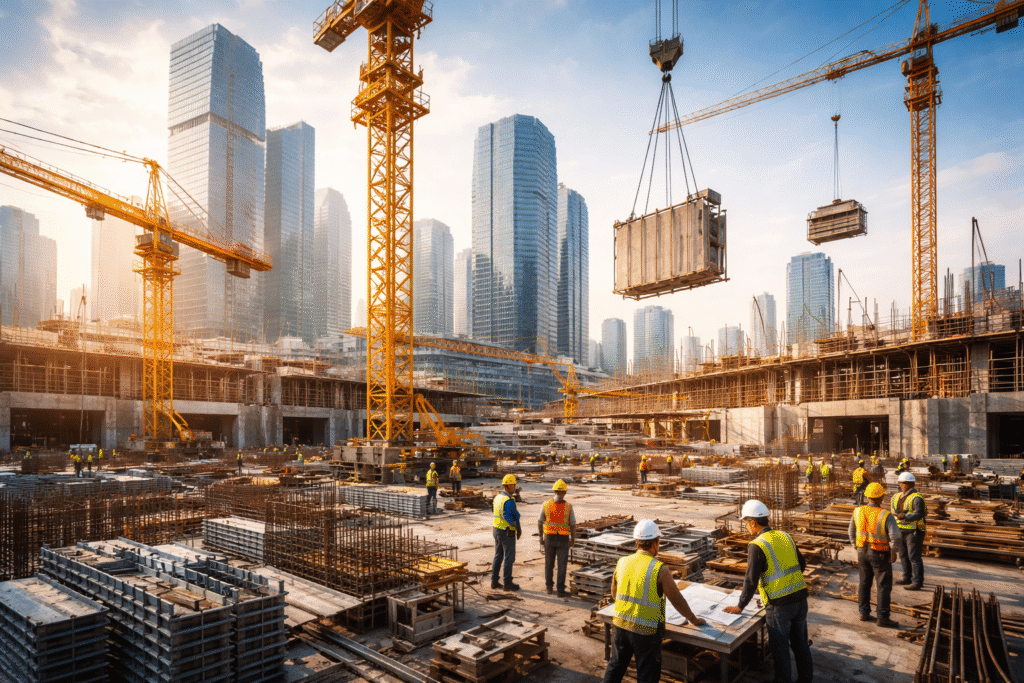
The construction industry no longer moves at a slow, traditional pace. Instead, it is evolving rapidly, driven by technology, sustainability goals, and changing urban needs. From smart materials to digital workflows, modern construction now blends engineering with innovation. As cities expand and expectations rise, the industry continues to redefine how structures are designed, built, and maintained.
This blog explores the latest construction trends shaping today’s projects and tomorrow’s skylines.
Technology as the Backbone of Modern Construction
Technology now sits at the center of construction progress. Companies rely on digital tools to increase speed, accuracy, and safety across every project stage.
Building Information Modeling (BIM) allows teams to visualize entire projects before construction begins. Designers, engineers, and contractors collaborate using shared 3D models, which reduces errors and prevents costly rework. As a result, projects move faster and stay within budget.
Additionally, drones support site inspections and progress tracking. They capture real-time visuals, helping managers identify risks early. Likewise, AI-powered software predicts delays, optimizes schedules, and improves resource allocation. These tools help construction teams work smarter, not harder.
Sustainable Construction Is No Longer Optional
Sustainability has become a priority rather than a trend. Governments, developers, and clients now demand eco-friendly construction practices.
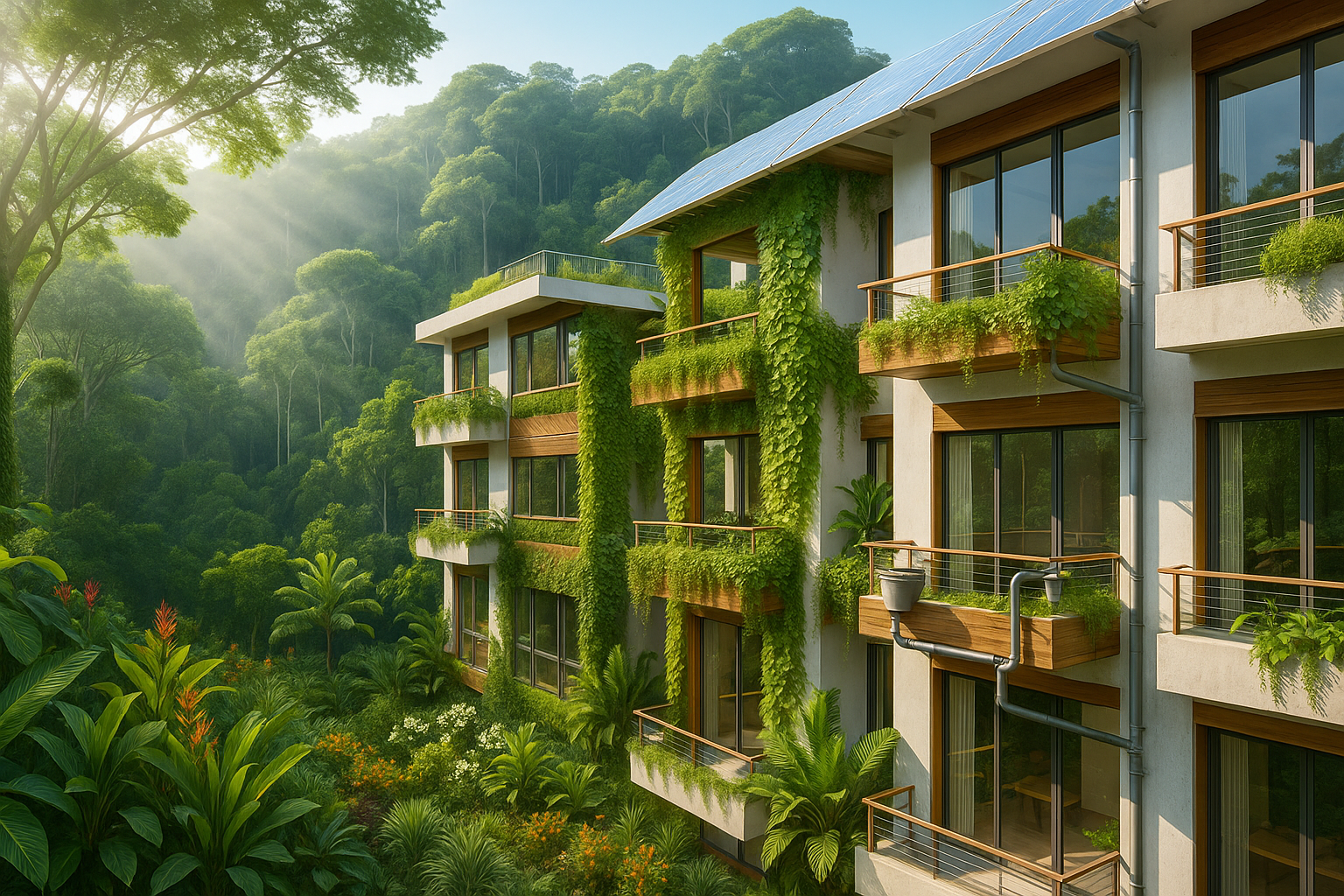
Builders increasingly use low-carbon concrete, recycled steel, and renewable materials. These choices reduce environmental impact while maintaining strength and durability. Moreover, green building certifications encourage energy-efficient designs that lower long-term operating costs.
Solar panels, rainwater harvesting systems, and natural ventilation now appear in both residential and commercial projects. By integrating sustainability from the planning stage, construction companies deliver buildings that respect both people and the planet.
Smart Buildings Define Modern Living
Smart technology continues to transform how buildings function. Modern structures now adapt to user behavior and environmental conditions.
Sensors control lighting, temperature, and air quality automatically. This approach improves comfort while reducing energy waste. For example, smart HVAC systems adjust based on occupancy, saving power during low-use periods.
In commercial spaces, smart access systems improve security and efficiency. Meanwhile, residential projects increasingly include app-controlled appliances and automated maintenance alerts. As smart technology becomes more affordable, it reshapes expectations across the construction market.
Modular and Prefabricated Construction Gains Momentum
Speed and efficiency matter more than ever. As a result, modular and prefabricated construction continues to grow.
Factories now produce building components under controlled conditions. Workers then assemble these components on-site, reducing construction time significantly. This method also minimizes waste and improves quality control.
Hospitals, schools, and housing projects benefit greatly from prefabrication. Since the process reduces weather delays and labor dependency, it ensures consistent timelines. Consequently, modular construction has become a reliable solution for large-scale development.
Workforce Transformation and Skill Development
While technology advances, people remain the heart of construction. However, the workforce itself is changing.
Companies now invest in training programs that focus on digital tools, safety protocols, and sustainable practices. Virtual reality simulations help workers practice complex tasks without risk. This approach improves confidence and reduces on-site accidents.
Additionally, construction firms increasingly attract younger professionals by promoting innovation and career growth. By combining traditional skills with modern knowledge, the industry builds a stronger, future-ready workforce
Safety Standards Reach New Heights
Safety has always mattered in construction, but modern methods raise the bar further.
Wearable technology now tracks worker health, fatigue, and location. These devices alert supervisors before accidents occur. Similarly, AI-powered cameras detect unsafe behavior in real time, allowing immediate correction.
Clear communication, strict protocols, and digital monitoring work together to create safer job sites. As a result, companies protect both workers and project timelines more effectively.
Urbanization Drives Smart Infrastructure Development
Rapid urban growth places pressure on infrastructure systems. To meet these demands, construction focuses on smarter, more resilient solutions.
Cities invest in intelligent roads, efficient public transport, and durable utilities. Advanced materials increase lifespan while reducing maintenance needs. Furthermore, data-driven planning helps governments prioritize projects that support long-term growth.
Smart infrastructure not only improves mobility and services but also enhances quality of life for urban populations.
Cost Efficiency Through Innovation
Rising material costs and labor shortages challenge the industry. However, innovation helps counter these pressures.
Digital procurement platforms compare prices and track inventory in real time. Lean construction practices reduce waste and maximize productivity. Additionally, predictive analytics identify potential cost overruns before they escalate.
By embracing innovation, construction companies maintain profitability without compromising quality.
The Role of Green Construction Policies
Regulatory frameworks continue to influence construction practices worldwide. Governments introduce stricter environmental standards and safety requirements.
Compliance now starts at the design stage. Builders must consider emissions, waste management, and energy efficiency early on. While these regulations may seem demanding, they ultimately improve project outcomes and public trust.
Forward-thinking companies treat compliance as an opportunity rather than a challenge.
The Future of Construction Looks Smarter and Stronger
The future of construction rests on adaptability. Companies that embrace technology, sustainability, and workforce development will lead the industry forward.
Emerging innovations such as 3D printing, self-healing concrete, and carbon-neutral materials promise even greater transformation. As these technologies mature, construction will become faster, safer, and more responsible.
Ultimately, modern construction does more than build structures—it builds resilient communities and sustainable futures.
Final Thoughts
Construction today reflects a powerful blend of tradition and innovation. While strong foundations still matter, smart planning, digital tools, and sustainable choices now define success. As the industry continues to evolve, it shapes not only skylines but also how people live, work, and connect.