Construction was once seen as a straightforward act—stack materials, follow drawings, and create shelter. Today, it has evolved into something far more thoughtful. Modern construction is no longer just about building structures; it is about shaping environments, solving human problems, and preparing cities for an uncertain future. Every beam, wall, and foundation now carries intention, innovation, and responsibility.
The Shift From Hard Labor to Smart Planning
Traditional construction relied heavily on physical strength and repetitive methods. While craftsmanship remains essential, the heart of today’s construction lies in planning and foresight. Digital tools, data analysis, and advanced project management systems now guide decisions long before ground is broken.
Builders analyze soil behavior, climate conditions, material life cycles, and even future maintenance costs before construction begins. This shift has reduced waste, improved safety, and ensured that structures last longer with fewer resources. Construction has become less reactive and more predictive.
Materials Are Smarter Than Ever
One of the biggest transformations in construction comes from materials. Concrete, steel, wood, and composites are no longer passive elements. They are engineered to respond to stress, temperature, moisture, and time.
High-performance concrete can self-heal microcracks. Steel can be treated to resist corrosion for decades. Engineered wood products now rival traditional materials in strength while reducing environmental impact. These advancements allow builders to create lighter, stronger, and more durable structures without sacrificing safety.
Material choice is no longer just about cost—it’s about performance over an entire lifespan.
Sustainability Is No Longer Optional
Construction is one of the world’s largest consumers of resources. Because of this, the industry has accepted a major responsibility: building without harming the future. Sustainability is no longer a trend; it is a standard.
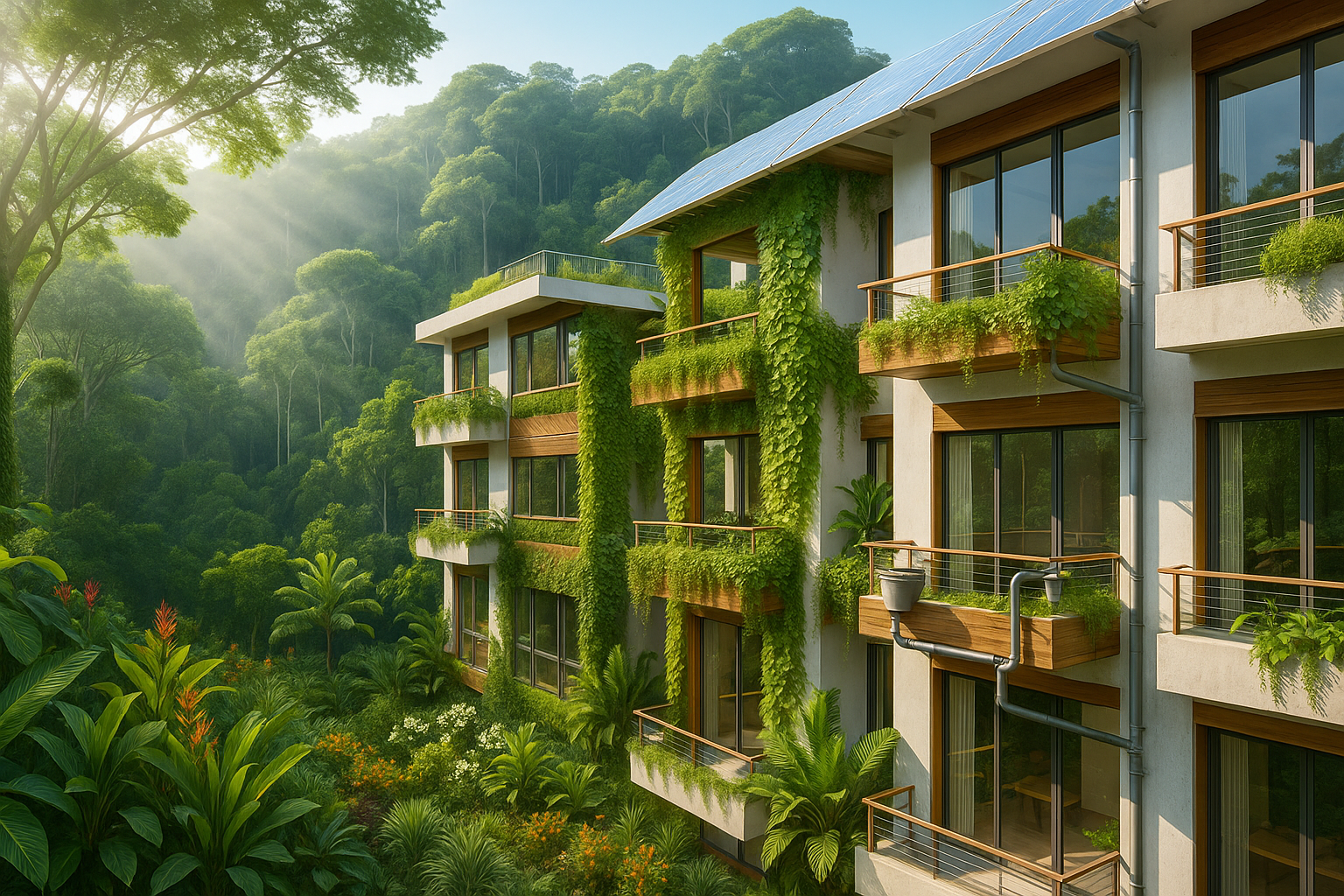
Modern construction integrates energy-efficient designs, renewable materials, and waste-reduction strategies from the earliest stages. Buildings are oriented to maximize natural light and airflow. Recycled materials are incorporated without compromising strength. Water management systems are designed to reduce consumption and reuse rainwater.
Sustainable construction doesn’t just protect the environment—it lowers operating costs and improves quality of life for occupants.
Construction as a Human Experience
A building is successful not just because it stands, but because it serves people well. Construction today focuses heavily on human comfort, safety, and emotional well-being.
Acoustic design reduces noise pollution. Thermal planning ensures consistent indoor temperatures. Natural lighting improves mental health and productivity. Even the placement of staircases, corridors, and open spaces is carefully planned to encourage movement and interaction.
Construction now blends engineering with psychology, creating spaces that feel as good as they function.
Technology Is Changing the Job Site
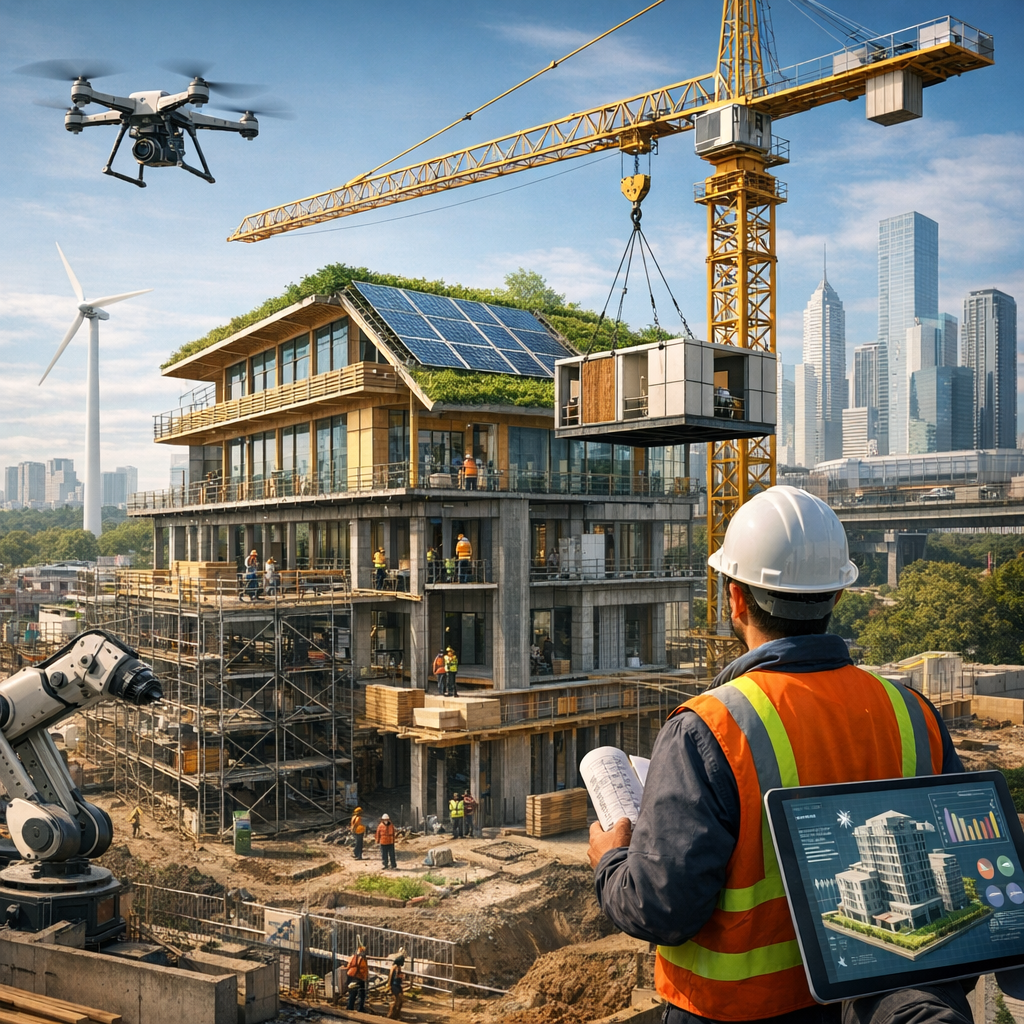
The modern construction site looks very different from the past. Drones survey land and track progress. Sensors monitor structural integrity in real time. Software coordinates teams, schedules, and supplies with precision.
These tools reduce errors, improve communication, and prevent costly delays. Workers are safer, projects are faster, and clients receive higher-quality results. Technology has not replaced human expertise—it has enhanced it.
Construction professionals now spend as much time analyzing data as they do handling materials.
Adaptability Is the New Strength
Buildings are no longer designed for a single purpose. Flexibility is now a key requirement. Homes may become workspaces. Offices may transform into residential units. Public buildings may serve multiple community roles over time.
Construction methods now prioritize modularity and adaptability. Walls can be reconfigured. Systems can be upgraded without major demolition. This approach extends a building’s usefulness and reduces the need for constant rebuilding.
Adaptable construction respects both economic realities and environmental limits.
The Role of Skilled Professionals
Despite automation and digital tools, construction remains deeply human. Skilled professionals—engineers, architects, site managers, and tradespeople—are the backbone of every successful project.
Their experience guides decision-making, resolves unexpected challenges, and ensures quality at every stage. Training and knowledge-sharing have become more important than ever, as construction techniques evolve rapidly.
The future of construction depends not just on innovation, but on people who understand how to use it wisely.
Construction and Community Impact
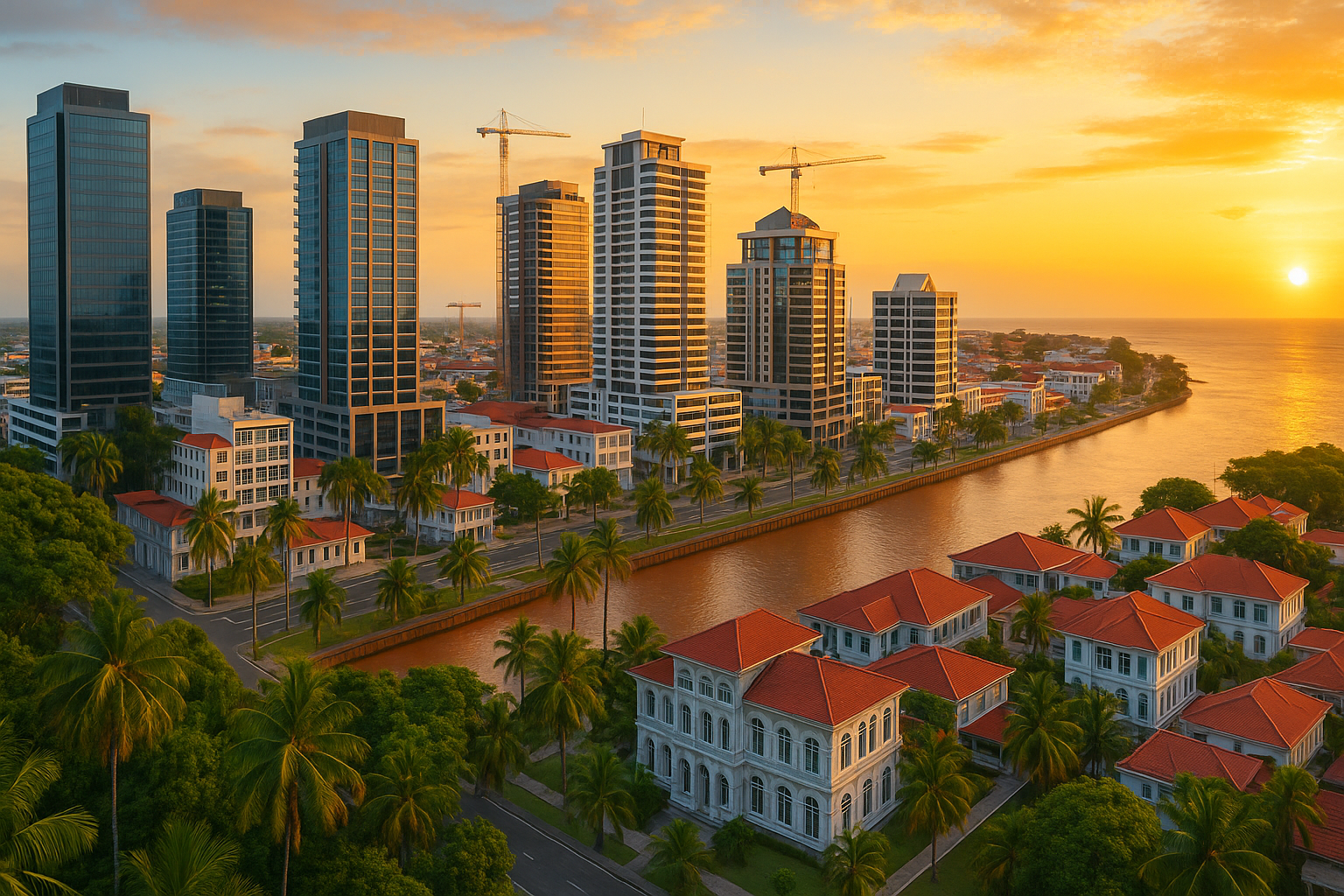
Every construction project shapes more than land—it shapes communities. Responsible construction considers its social impact, from minimizing disruption during building to enhancing long-term livability.
Well-planned construction improves infrastructure, creates jobs, and supports economic growth. Poorly planned projects can damage ecosystems and strain local resources. This awareness has pushed the industry toward transparency, ethical practices, and collaboration with local stakeholders.
Construction today is measured not only by profit, but by positive impact.
Looking Ahead: The Future of Construction
The future of construction lies in balance—between strength and sustainability, speed and precision, innovation and tradition. As cities grow and challenges intensify, construction will continue to adapt, learning from both technology and human needs.
Buildings will become more efficient, more resilient, and more responsive. But at its core, construction will always remain a craft rooted in purpose: creating spaces where life can unfold safely and meaningfully.
Construction is no longer just about what we build—it’s about how and why we build.