The modern construction industry is no longer just about assembling materials on-site. It has evolved into a dynamic sector driven by innovation, sustainability, and efficiency. As cities grow and infrastructure demands rise, construction plays a vital role in shaping how people live, work, and move.
Today, the future of construction depends on how well the industry adapts to technology, environmental responsibility, and skilled labor development.
Construction as the Backbone of Development
Construction has always supported human progress. Roads, bridges, homes, and public buildings form the foundation of every society. In the present era, infrastructure development has become even more critical due to rapid urban expansion.
Urban construction growth supports economic stability, improves connectivity, and enhances quality of life. Without continuous investment in construction, modern economies would struggle to function efficiently.
How the Modern Construction Industry Has Evolved
The modern construction industry has moved far beyond traditional methods. Digital tools, data-driven planning, and advanced materials now define how projects are delivered.
Instead of relying solely on manual processes, construction companies use software for scheduling, cost estimation, and risk assessment. These improvements reduce errors and improve overall project performance.
As a result, construction industry trends now focus on speed, precision, and sustainability
Construction and Technology: A Powerful Partnership
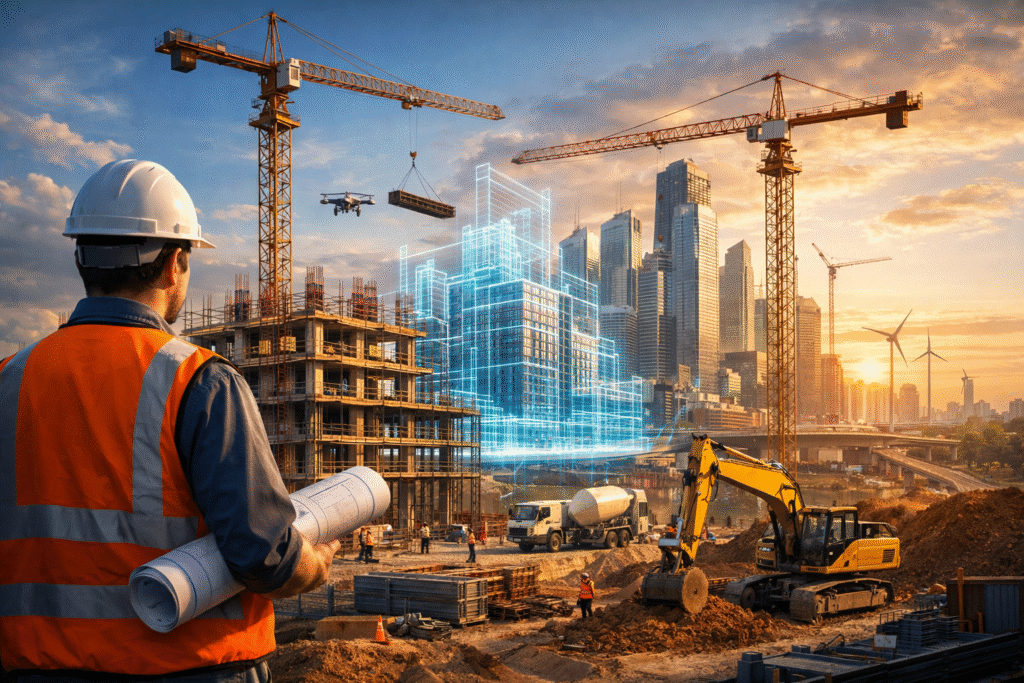
One of the most significant construction industry trends is the integration of technology. Digital construction tools such as Building Information Modeling (BIM), drones, and smart sensors are transforming workflows.
BIM helps teams visualize projects before construction begins, reducing design conflicts. Drones improve site monitoring, while automation enhances accuracy and safety. This clearly shows how technology is changing construction at every level.
Technology is no longer optional—it is essential for competitive and efficient construction.
Sustainable Construction Practices for a Greener Future
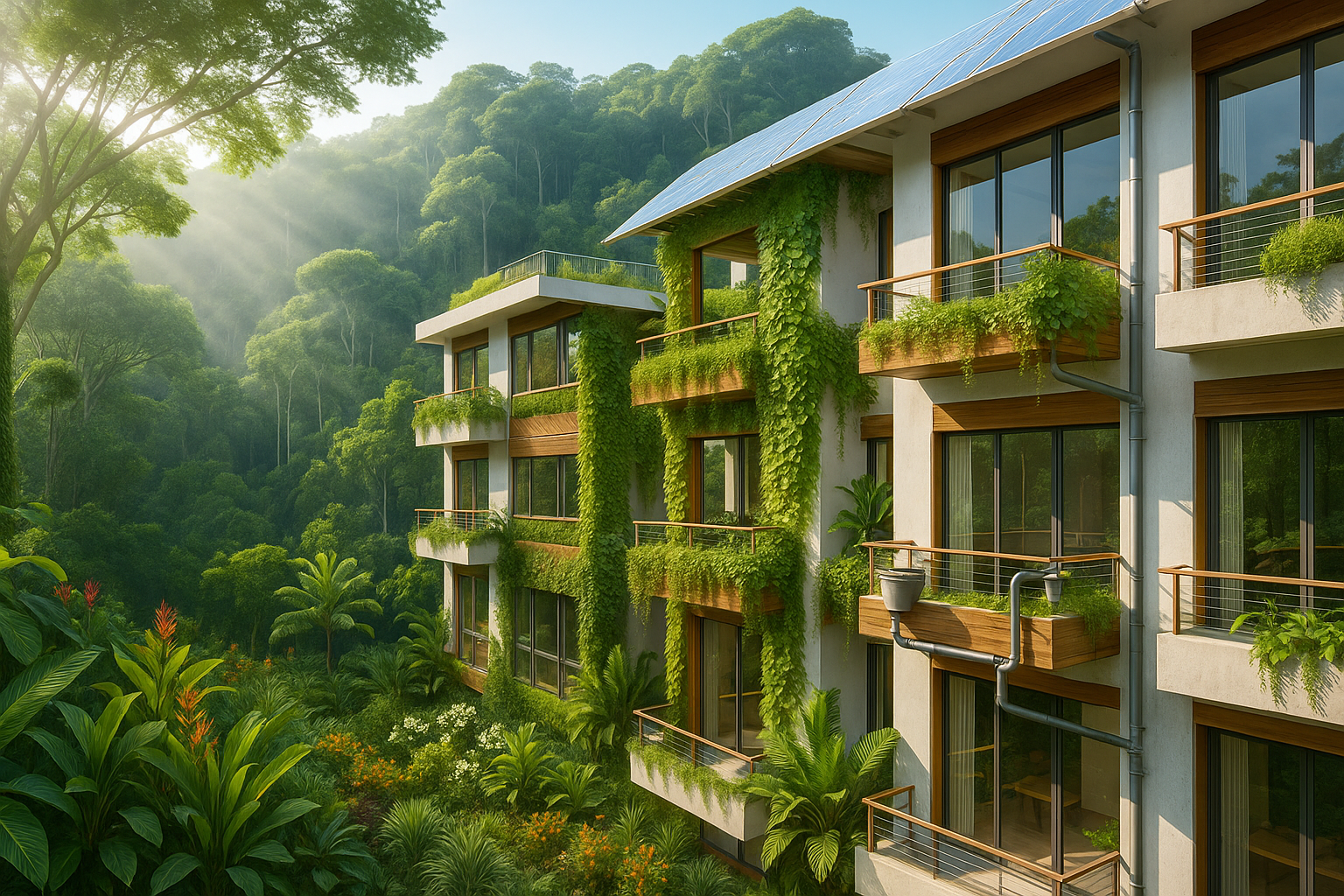
Environmental responsibility has become central to the future of construction. Today, companies focus on sustainable construction practices that reduce environmental impact while improving long-term performance.
Green building practices include:
- Energy-efficient designs
- Eco-friendly materials
- Reduced construction waste
- Water and energy conservation systems
The importance of sustainability in construction lies in creating buildings that are both durable and environmentally responsible.
Smart Construction Solutions and Smart Cities
Smart construction solutions are shaping the development of smart cities. These solutions use data, sensors, and automation to improve construction quality and building performance.
Smart buildings can monitor energy usage, enhance safety, and increase occupant comfort. At the same time, smart construction sites reduce waste, improve coordination, and boost productivity.
This strong link between smart cities and construction highlights the industry’s growing technological role.
Construction Safety Standards in a Modern Environment
Strong construction safety standards are essential in today’s complex construction environments. Advanced safety equipment, real-time monitoring, and worker training programs have significantly reduced on-site risks.
Digital tools now help identify hazards early, proving that innovation also protects human lives. Safety is no longer just a requirement—it is a core value of professional construction management.
Challenges Facing the Construction Industry Today
Like any growing sector, construction faces obstacles. Rising material costs, labor shortages, and climate-related risks affect project delivery.
Understanding the challenges facing the construction industry allows companies to plan better and adapt faster. Innovation, collaboration, and technology adoption are key to overcoming these issues.
Construction as a Driver of Economic Growth
The role of construction in economic growth is undeniable. Construction projects create jobs, stimulate supply chains, and support long-term development.
From residential buildings to large infrastructure projects, construction strengthens national economies and supports community development.
Conclusion
The modern construction industry is building more than structures—it is building the future. Through technology, sustainability, and skilled labor, construction continues to evolve and adapt.
By embracing smart construction solutions, strengthening safety standards, and committing to sustainability, the industry will remain a powerful force in shaping resilient and livable communities.