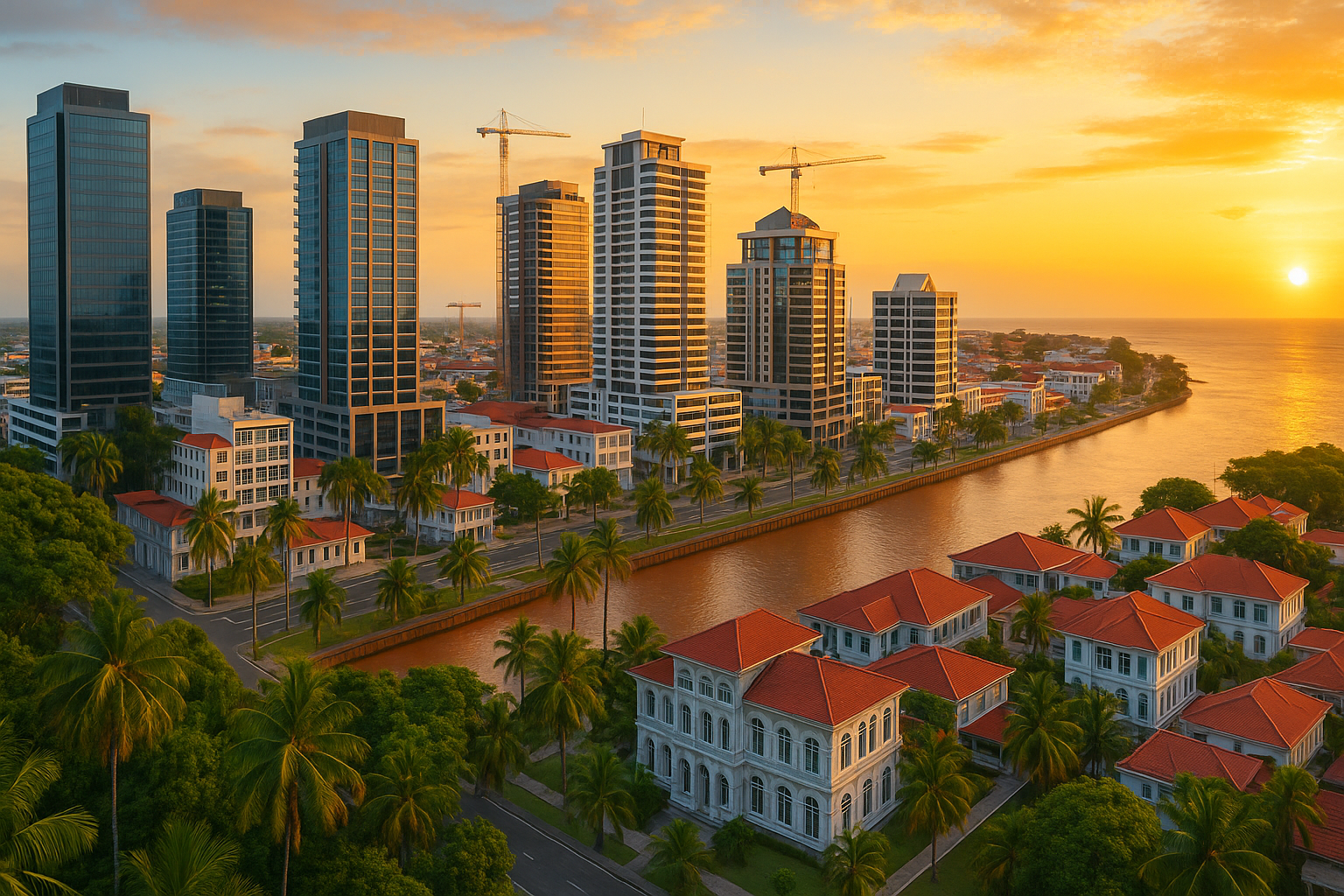

At first glance, gated communities promise comfort, security, and a sense of exclusivity. Tall walls, guarded entrances, CCTV cameras, landscaped gardens, and controlled access points all suggest safety and order. However, beyond the physical boundaries lies a deeper question: Do gated communities change the way renters socialize?
As more urban renters move into gated apartments and residential complexes, their social experiences begin to differ from those in open neighborhoods. While safety and convenience increase, social patterns quietly evolve. In fact, the environment itself often shapes how, when, and with whom renters connect.
The Shift from Street Life to Structured Interaction
Traditionally, open neighborhoods allowed organic interactions. Children played freely in shared streets, neighbors met casually at local shops, and spontaneous conversations occurred at every corner. In contrast, gated communities create structured environments.
For instance, socialization often happens in designated spaces — clubhouses, gyms, swimming pools, or landscaped parks. Although these amenities encourage interaction, they also confine it. Instead of bumping into neighbors randomly, renters meet during scheduled yoga sessions or planned community events.
As a result, social life becomes slightly curated rather than spontaneous. While this may feel organized and comfortable, it can sometimes limit natural social flow.
Safety and Comfort: A Double-Edged Sword
Undoubtedly, safety plays a major role in attracting renters to gated communities. Parents feel comfortable letting children cycle inside the compound. Elderly residents enjoy evening walks without fear of traffic. Consequently, this shared sense of security creates a baseline of trust among residents.
However, while internal safety increases, external interaction often decreases. Renters may spend more time within the compound and less time engaging with the broader neighborhood outside the gates. Over time, this can subtly reduce community diversity in social circles.
In other words, the gates that protect can also isolate.
The Rise of Micro-Communities
Interestingly, gated communities often foster micro-communities. WhatsApp groups, resident welfare associations, and event committees become central to social interaction. Birthdays, festival celebrations, and weekend gatherings are organized collectively.
Therefore, renters may feel a quicker sense of belonging compared to large, anonymous urban neighborhoods. Shared amenities and close proximity encourage repeated encounters, which gradually build familiarity.
Nevertheless, these relationships can sometimes remain surface-level. Because many renters see their stay as temporary, long-term emotional investment may be limited. Friendships may form quickly but also fade when leases end.
Social Status and Silent Hierarchies
Another subtle shift lies in social perception. Gated communities are often associated with status. Living behind gates can signal financial stability, even for renters.
Consequently, social interactions inside such spaces may unconsciously reflect class similarities. Since entry prices (whether rent or purchase) filter residents, economic backgrounds tend to align. This homogeneity can create comfort but reduce exposure to diverse perspectives.
Moreover, renters sometimes feel different from homeowners within the same complex. While both share amenities, ownership can create invisible hierarchies. Renters may hesitate to participate fully in decision-making discussions, sensing their temporary status.
Thus, while the gates unify residents physically, social layers may still exist within.
Digital Connections Over Doorstep Conversations
Modern gated communities increasingly rely on digital platforms for communication. Maintenance requests, complaints, announcements, and event invites are shared via apps or messaging groups.
As a result, face-to-face interaction may decrease. Instead of knocking on a neighbor’s door, a renter might send a message. Instead of discussing issues in person, residents post in online groups.
Although digital communication is efficient, it sometimes reduces emotional warmth. Social bonds that once formed over tea chats or shared errands now develop through notifications and emojis.
Therefore, the design of gated living subtly aligns with today’s digital lifestyle — convenient yet slightly detached.
Amenities as Social Catalysts
On the positive side, amenities within gated communities actively encourage interaction. For example:
- Children meet daily at play areas.
- Fitness enthusiasts connect at gyms.
- Pet owners bond during evening walks.
- Families gather for festival decorations.
In fact, these shared spaces act as social equalizers. A software engineer, a teacher, and a freelancer may all meet simply because their children attend the same badminton class.
Additionally, planned celebrations — Diwali events, Christmas parties, Independence Day flag hoisting — create collective experiences. For renters who move to new cities, such gatherings reduce loneliness significantly.
Thus, while the gates limit outside interaction, they often intensify internal social bonds.
Privacy vs. Participation
However, not all renters seek deep engagement. One major appeal of gated communities is controlled privacy. Residents can choose when to participate and when to retreat.
For introverts or busy professionals, this selective social exposure is ideal. They enjoy security and amenities without mandatory involvement.
On the other hand, this flexibility can weaken collective spirit. If many residents choose privacy over participation, community energy diminishes.
Therefore, gated living offers a balance — but the outcome depends heavily on individual effort.
Children Growing Up Behind Gates
An important dimension involves children. Growing up in gated communities shapes how young renters’ families socialize.
Inside the compound, children form close-knit groups. Parents connect through school carpools or playdates. Compared to open neighborhoods with varied age groups and backgrounds, gated environments may feel more controlled and predictable.
While this ensures safety, it may limit exposure to broader social realities. Consequently, children’s early social experiences become structured around similarity rather than diversity.
This dynamic indirectly influences adult interactions as well.
Temporary Living and Emotional Investment
Renters often view housing as transitional. Unlike homeowners, they may not envision long-term futures in one place.
As a result, their social commitment may differ. Some renters invest deeply in community life, while others remain politely distant. Since leases typically last 11 months or a year, social continuity can feel uncertain.
Moreover, frequent move-ins and move-outs create rotating social circles. While this keeps communities dynamic, it can also prevent deeper roots from forming.
Therefore, gated communities with high rental turnover may experience social fluidity rather than stability.
Urban Isolation or Urban Solution?
Critics argue that gated communities promote urban fragmentation. By physically separating residents from surrounding neighborhoods, they may contribute to social division.
However, supporters suggest they provide structured community life in otherwise chaotic cities. In densely populated urban centers, such environments offer order, cleanliness, and organized interaction.
Thus, the impact largely depends on perspective. For a newcomer in a big city, a gated rental apartment may feel like a safe landing space. For others, it may feel like living inside a bubble.
So, Do Gated Communities Change the Way Renters Socialize?
Yes — but not always negatively.
They shift social interaction from spontaneous to structured. They increase internal bonding while sometimes reducing external engagement. They offer safety and shared amenities but may create subtle boundaries.
Ultimately, renters’ social experiences depend less on the gates themselves and more on how residents choose to engage. A gated community can either become a vibrant social ecosystem or a quiet collection of isolated apartments.
In the end, walls do not decide community — people do.
However, architecture influences behavior. And when renters live behind gates, their social rhythms inevitably adapt to the spaces around them.