As climate change accelerates and urban populations grow, apartments are no longer just places to live—they must also protect. Around the world, cities are experiencing stronger earthquakes, more frequent floods, and longer heatwaves. Consequently, residential design is shifting from aesthetic-driven architecture to resilience-focused living. Disaster-ready apartments are emerging as a critical solution, blending engineering, sustainability, and human-centered design to ensure safety, comfort, and continuity during extreme events.
The Need for Resilient Apartment Design
Traditionally, apartment buildings were designed to meet minimum safety codes. However, these standards often fail to account for compound disasters or long-term climate stress. Today, resilience is no longer optional. Instead, it has become a defining feature of modern housing.
Moreover, apartments house multiple families, shared infrastructure, and critical services. When disasters strike, failures in structure, utilities, or thermal comfort can quickly escalate into humanitarian crises. Therefore, designing apartments that can withstand and recover from earthquakes, floods, and heatwaves is essential for future urban survival.
Earthquake-Resistant Design: Flexibility Over Rigidity
Earthquakes test the structural integrity of buildings in seconds. Rather than resisting movement entirely, modern earthquake-ready apartments are designed to move intelligently.
Structural Systems That Absorb Shock
Firstly, reinforced concrete frames with shear walls help distribute seismic forces evenly. Additionally, base isolation systems—where buildings are mounted on shock-absorbing pads—significantly reduce ground motion transfer. As a result, apartments experience less structural stress during tremors.
Smart Material Choices
Furthermore, high-performance concrete, steel reinforcements, and fiber-reinforced polymers increase ductility. These materials bend without breaking, preventing catastrophic collapse. Even non-structural elements like flexible plumbing joints and suspended ceilings are designed to minimize internal damage.
Interior Safety Planning
Equally important, apartment interiors are planned with safety in mind. Built-in furniture, secured storage units, and shatter-resistant glass reduce injury risks. Emergency stairwells and clearly marked exits ensure fast evacuation when needed.
Flood-Resilient Apartments: Designing With Water, Not Against It
Flooding is one of the most destructive and frequent urban disasters. Instead of attempting to block water completely, disaster-ready apartments embrace flood-adaptive design.
Elevated and Zoned Construction
To begin with, ground floors are often elevated above known flood levels or designed as sacrificial spaces such as parking or storage. Electrical systems, generators, and essential utilities are placed on higher floors to remain operational during floods.
Water-Resistant Materials
In addition, materials like treated concrete, ceramic tiles, waterproof insulation, and corrosion-resistant metals are used in lower levels. These materials dry faster and suffer less damage, allowing buildings to recover quickly after floodwaters recede.
Smart Drainage and Landscaping
Moreover, disaster-ready apartments integrate permeable pavements, rain gardens, and bioswales. These features slow down water flow, reduce pressure on drainage systems, and prevent water accumulation around foundations.
Heatwave-Resilient Apartments: Designing for Extreme Temperatures
Heatwaves are silent disasters. They strain power grids, increase health risks, and make apartments unlivable without constant cooling. Therefore, heat-resilient design focuses on passive comfort rather than energy-intensive solutions.
Passive Cooling Strategies
Firstly, apartment orientation plays a major role. Buildings designed to minimize direct sun exposure during peak hours stay naturally cooler. Cross-ventilation layouts allow fresh air to flow freely, reducing indoor heat buildup.
Thermal Insulation and Reflective Surfaces
Additionally, high-quality insulation in walls and roofs prevents heat from entering apartments. Cool roofs, light-colored façades, and reflective coatings further reduce heat absorption. As a result, indoor temperatures remain stable even during prolonged heatwaves.
Green Integration
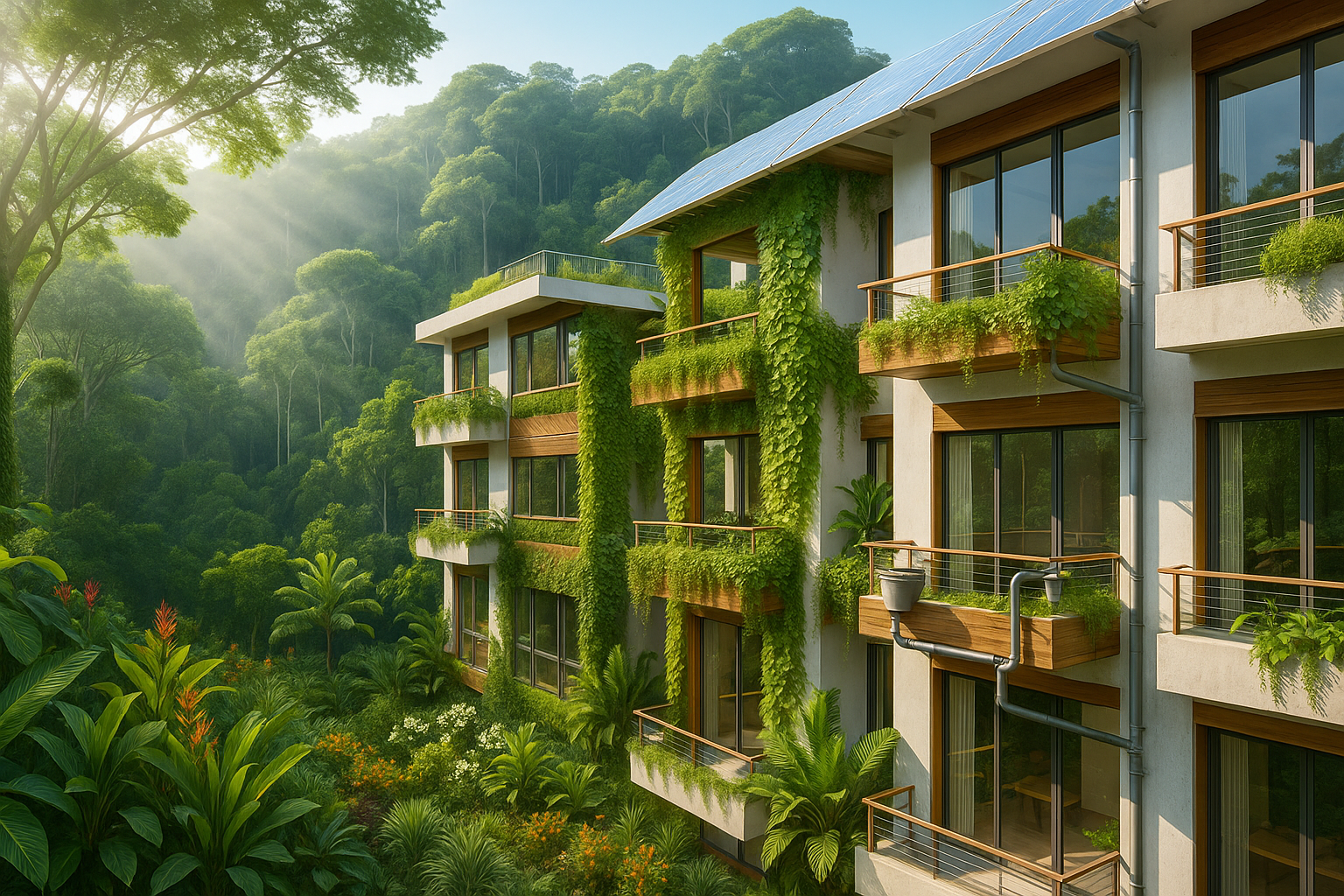
Furthermore, green roofs, vertical gardens, and shaded balconies act as natural temperature regulators. Plants not only cool the surrounding air but also improve mental well-being during extreme weather events.
Energy and Utility Resilience: Power When It Matters Most
Disasters often disrupt power, water, and communication systems. Therefore, disaster-ready apartments are designed to function independently during emergencies.
Renewable Energy Systems
Solar panels paired with battery storage provide backup power for essential services such as elevators, lighting, and medical equipment. Even during grid failures, residents maintain a basic level of comfort and safety.
Water Security
Rainwater harvesting systems and on-site water storage ensure access to water during supply disruptions. Additionally, greywater recycling supports non-potable needs like flushing and landscaping.
Smart Monitoring Systems
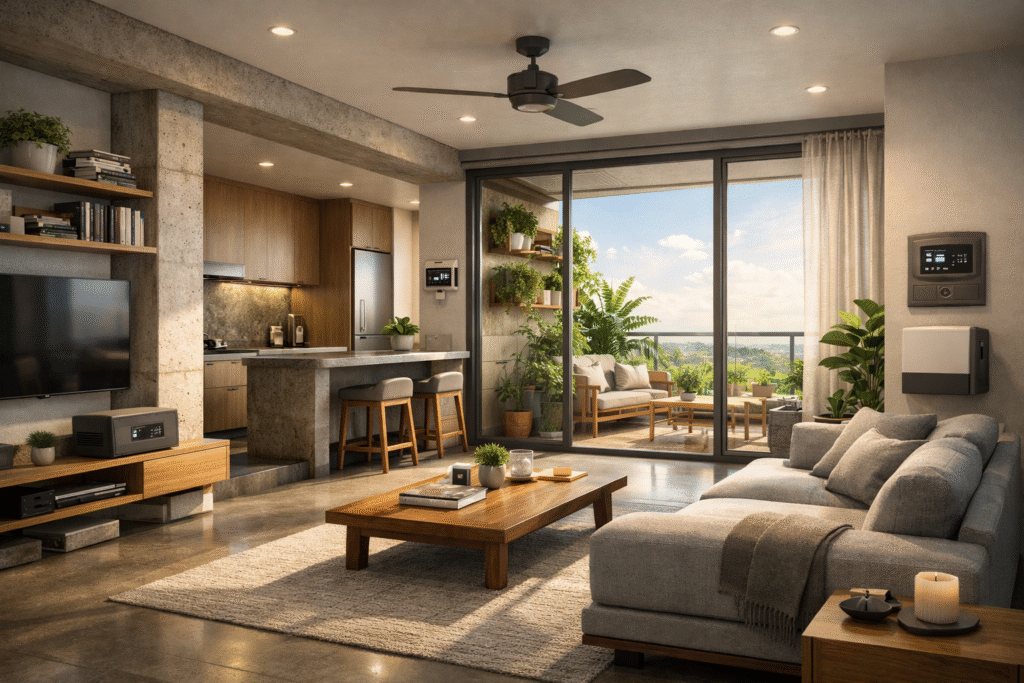
Real-time sensors monitor structural health, temperature levels, and energy usage. These systems provide early warnings and help building managers respond quickly before problems escalate.
Community-Centered Disaster Planning
Resilience extends beyond walls and materials. Disaster-ready apartments are also designed to support communities during emergencies.
Shared Safe Spaces
Multi-purpose common areas double as emergency shelters during disasters. These spaces are equipped with backup power, first-aid supplies, and communication systems to support residents collectively.
Clear Evacuation and Communication
Digital notice boards, mobile alerts, and multilingual signage ensure that residents receive accurate information during emergencies. Well-planned evacuation routes reduce panic and confusion.
Psychological Resilience
Importantly, natural light, access to outdoor spaces, and calming design elements help residents cope with stress during prolonged disasters. Architecture, in this sense, becomes a tool for emotional recovery.
The Future of Disaster-Ready Apartment Living
As climate risks intensify, disaster-ready apartments will move from niche innovation to standard practice. Governments are already updating building codes, while developers are recognizing resilience as a long-term investment rather than an added cost.
In the future, apartments will not only survive disasters but actively adapt to them. Buildings will learn from data, respond to environmental changes, and protect residents proactively. Ultimately, disaster-ready design is not about fear—it is about preparedness, dignity, and sustainable urban living.
Conclusion
Disaster-ready apartments represent a new paradigm in residential architecture. By designing for earthquakes, floods, and heatwaves, architects and developers are creating homes that prioritize safety, comfort, and resilience. Through smart materials, passive design, renewable energy, and community-focused planning, apartments can withstand the challenges of an unpredictable climate.
In a world where disasters are becoming the norm rather than the exception, resilient apartments are not just buildings—they are lifelines.