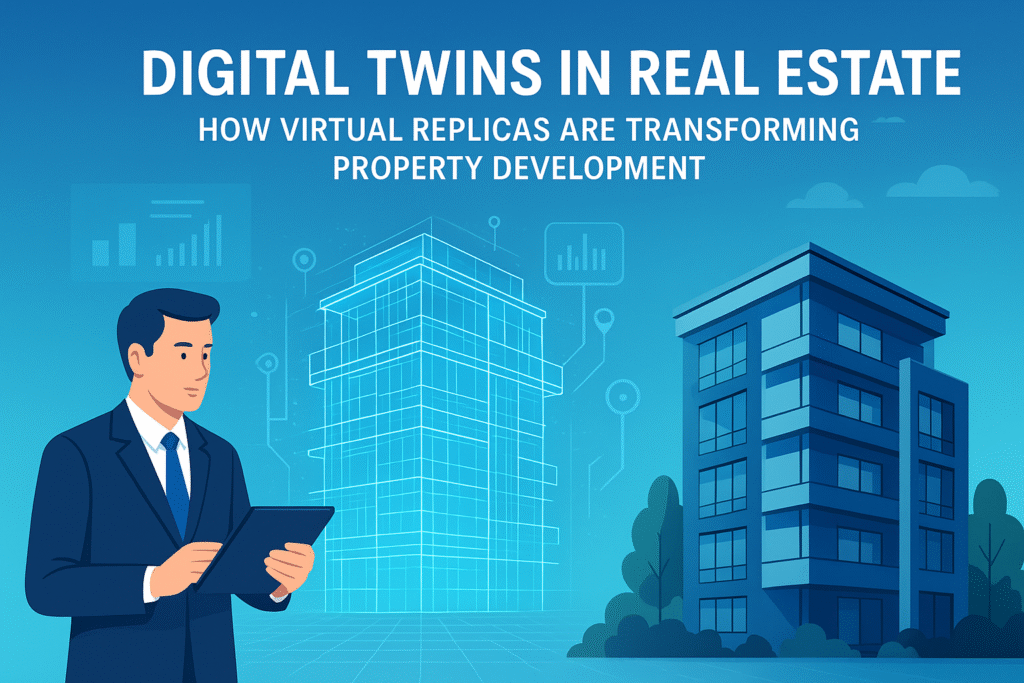
Real estate has entered an era where physical spaces are no longer the only assets that matter. Today, developers, investors, and city planners are increasingly turning to Digital Twins—virtual replicas of buildings, communities, or entire cities—to visualize, analyse, and optimize real-world properties. What was once a futuristic concept is now a revolutionary tool reshaping how we design, build, market, and manage real estate.
What is a Digital Twin?
A Digital Twin is a dynamic, data-driven virtual model of a physical structure. It mirrors every detail of a building—from its architecture and engineering systems to real-time performance metrics like energy use, occupancy, and temperature.
What makes digital twins innovative is their ability to evolve. As the physical building changes, so does the virtual model. This creates a seamless bridge between the real world and the digital ecosystem.
Why Digital Twins Are the Future of Real Estate
Real estate has traditionally lagged behind other sectors in adopting advanced digital tools. But with rising construction costs, sustainability concerns, and tighter project timelines, the industry is now embracing innovations that deliver accuracy, efficiency, and predictive power.
Digital twins stand out because they offer:
1. Better Planning and Design
Developers can simulate different design options before construction even begins.
Want to test lighting patterns? Compare building materials? Analyse airflow? With a digital twin, these tests happen instantly, at a fraction of the cost.
This reduces design errors, speeds up approvals, and enables architects to create smarter, more resilient structures.
2. Real-Time Construction Monitoring
Imagine being able to oversee an entire construction site from anywhere in the world. Digital twins make this possible by integrating with drones, IoT sensors, and smart construction tools.
Project managers can:
- Detect delays
- Identify safety risks
- Monitor material usage
- Ensure compliance with timelines
This transparency prevents costly surprises and improves accountability.
3. Enhanced Property Marketing
For buyers, investors, or tenants, traditional brochures and walkthroughs are becoming outdated. Digital twins provide immersive 3D experiences that allow customers to explore every corner of a property long before it is built.
Virtual tours powered by digital twins reveal:
- Real-time sunlight angles
- Temperature simulations
- Interior spatial flow
- Furniture placement options
This emotional and interactive experience increases buyer confidence and speeds up decision-making.
4. Smarter Facility Management
Once a building is operational, digital twins act as a “live dashboard” for property managers.
They can track:
- Energy consumption
- HVAC performance
- Predictive maintenance needs
- Occupancy trends
- Emergency risks
For example, when an HVAC unit is about to fail, the digital twin can trigger an alert before the system actually breaks. This prevents downtime, reduces repair costs, and enhances sustainability.
5. Creating Sustainable and Energy-Efficient Buildings
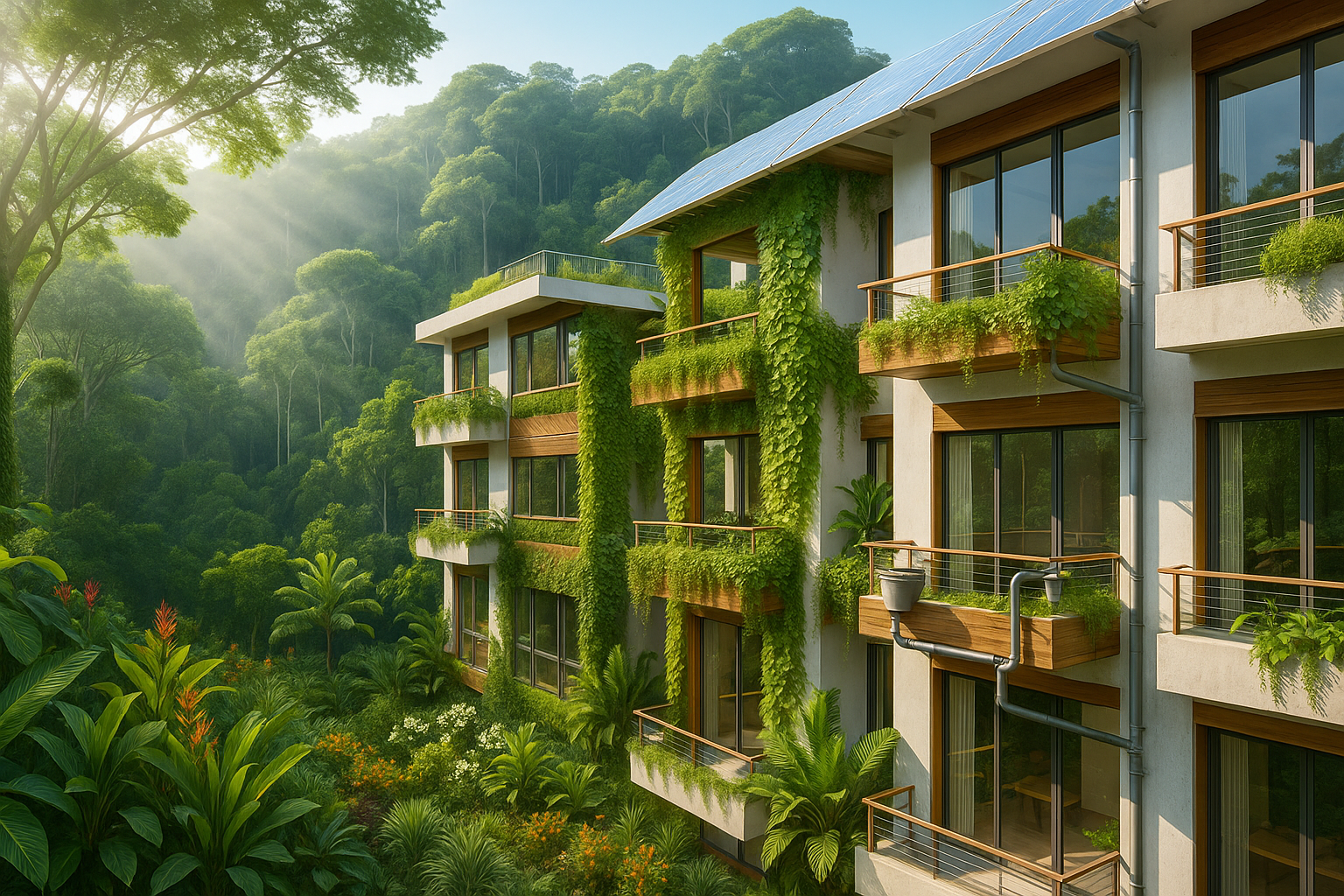
Sustainability is no longer optional—it’s a necessity. Digital twins help developers design greener buildings by identifying carbon hotspots and optimizing energy usage.
Simulation tools allow builders to test various eco-friendly strategies such as:
- Solar panel placement
- Rainwater harvesting designs
- Green roof performance
- Energy-efficient glazing
This leads to more eco-conscious decisions that align with global environmental goals.
Use Cases That Are Reshaping the Industry
Digital twins are already making an impact in several real estate sectors:
Smart Cities
Cities like Singapore and Dubai use digital twins to plan traffic flow, manage utilities, and forecast urban growth.
Commercial Real Estate
Office buildings use digital twins to monitor occupancy patterns and redesign spaces for hybrid work models.
Residential Projects
Developers use digital replicas to predict long-term maintenance costs and improve apartment layouts.
Retail Spaces
Shopping malls simulate foot traffic to place stores strategically and optimize customer experiences.
Challenges and Future Potential
While digital twins are powerful, they come with challenges such as high initial costs, data integration issues, and the need for specialized skills. However, as AI, IoT, and 5G networks become more mainstream, the adoption of digital twins will accelerate dramatically.
In the future, digital twins could:
- Predict real estate market risks
- Help investors make data-driven decisions
- Enable fully automated smart buildings
- Optimize entire cities for climate resilience
The real estate industry is shifting from reactive to predictive, from physical-first to digital-first.
Conclusion
Digital twins represent one of the most transformative innovations in modern real estate. They enable developers, architects, investors, and city planners to understand buildings in ways that were never possible before. By combining virtual precision with real-world functionality, digital twins are unlocking a new era of smarter, more sustainable, and more profitable real estate development.
If you want to stand ahead in a rapidly evolving industry, embracing digital twin technology is no longer just an advantage—it’s a necessity.