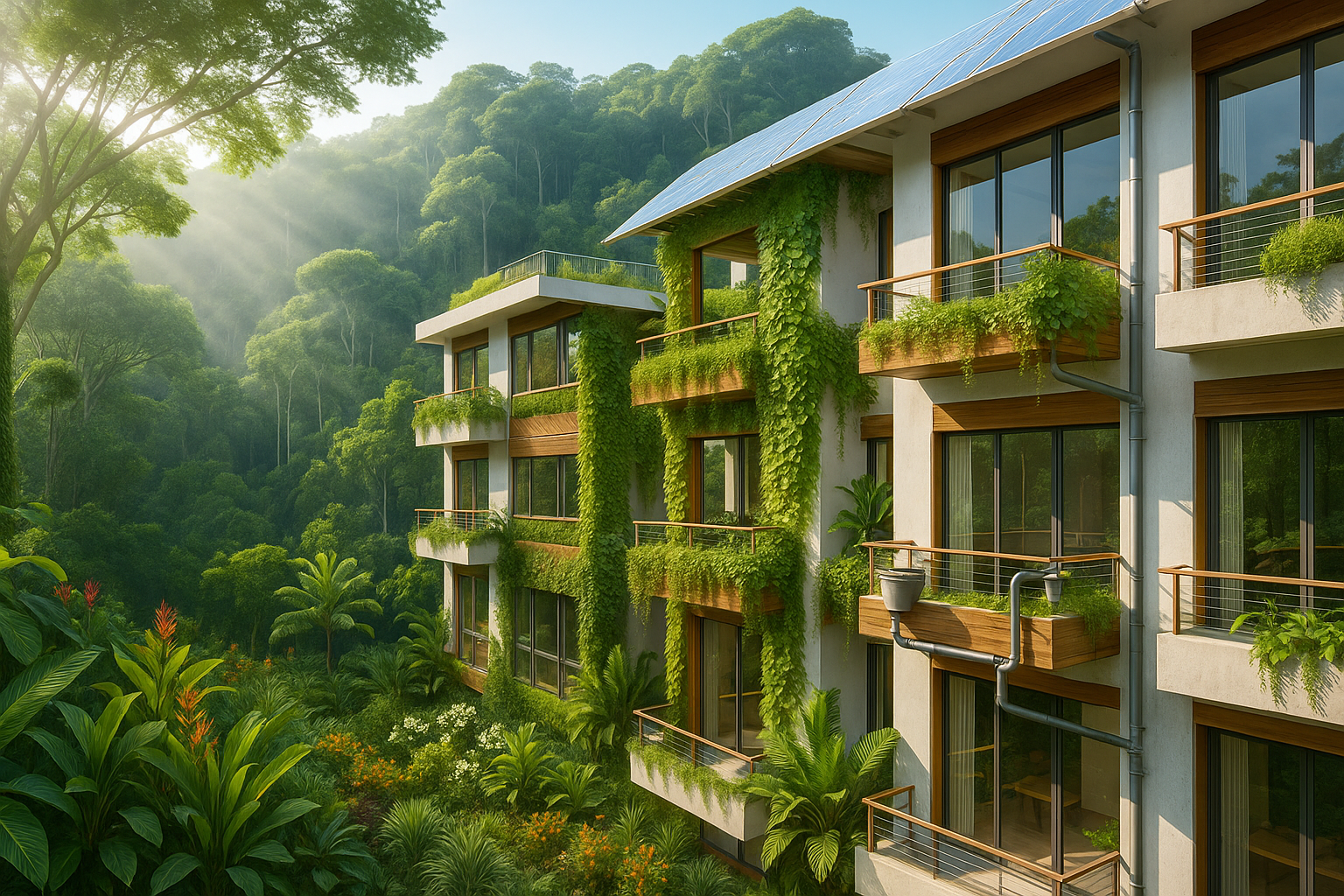
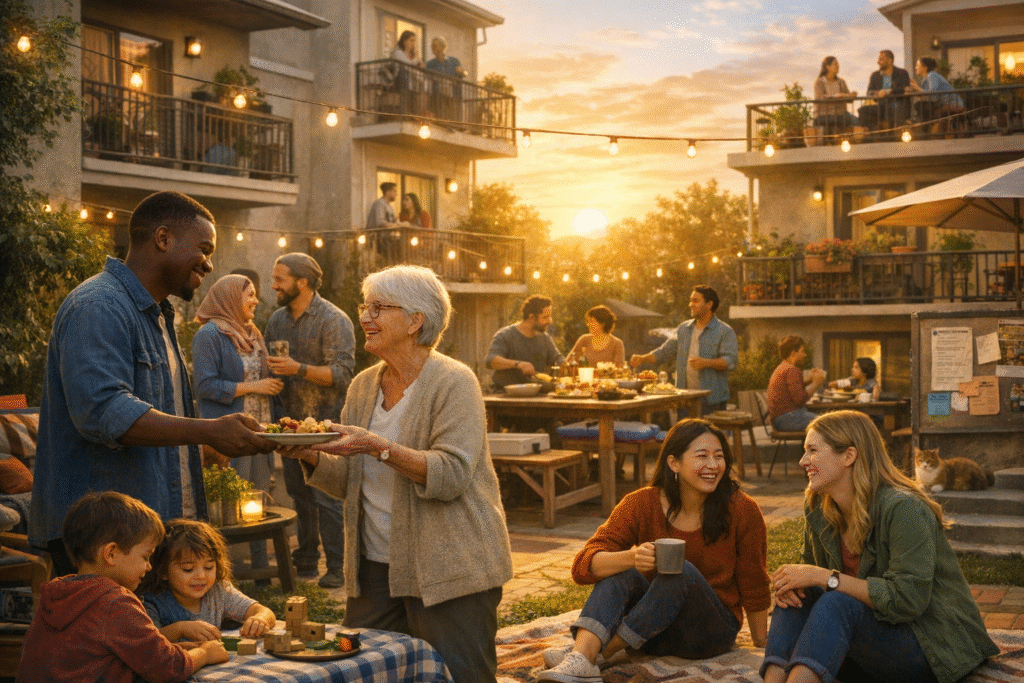
In many cities today, home is no longer defined by ownership. Instead, it is defined by experience. As property prices rise and lifestyles become more flexible, renting has shifted from being a temporary phase to a long-term choice. However, one common misconception still lingers: that renters cannot build real community because they do not “own” the space.
Yet, this assumption overlooks something powerful. Belonging does not grow from legal documents; it grows from human connection. In fact, renters across the world are redefining what it means to feel at home. So, how do renters build belonging without ownership? Let’s explore.
The Shift from Possession to Participation
Traditionally, ownership symbolized stability. People believed that buying a home meant planting roots. However, times have changed. Today, participation often matters more than possession.
For instance, renters actively shape their communities by engaging with neighbors, organizing events, and supporting local businesses. Although they may not hold property deeds, they hold something equally meaningful—shared experiences.
Moreover, renting often encourages interaction. In apartment complexes, shared corridors, courtyards, gyms, and rooftops naturally bring people together. As a result, casual greetings turn into conversations, and conversations gradually turn into friendships.
Shared Spaces, Shared Stories
One major advantage of renting is access to common areas. While homeowners might prioritize private space, renters often share amenities. Consequently, these shared spaces become fertile ground for connection.
For example, children playing in a courtyard spark conversations among parents. An evening walk around the building leads to spontaneous chats. Even waiting for an elevator can become a moment of social bonding.
Over time, these small interactions build familiarity. Eventually, neighbors begin to recognize routines, celebrate festivals together, and support each other during emergencies. Therefore, belonging emerges not from ownership but from daily presence and shared stories.
Flexibility That Encourages Openness
Interestingly, renters often come from diverse backgrounds. Because rental communities are more fluid, new residents arrive frequently. Although this constant movement might seem destabilizing, it can actually foster openness.
Newcomers bring fresh perspectives, cultures, and traditions. As a result, rental communities often become microcosms of diversity. Festivals are celebrated collectively. Food, music, and stories are exchanged.
Furthermore, renters tend to understand the feeling of being “new.” Consequently, they are more likely to welcome others warmly. This empathy strengthens social ties and builds an inclusive atmosphere.
Creating Rituals Without Roots
One might assume that traditions require permanence. However, renters prove otherwise. Even without long-term ownership, they create meaningful rituals.
For instance, neighbors may gather every Sunday for tea in the common area. Some buildings organize monthly potlucks. Others celebrate birthdays in shared halls. Although leases may last only a year, memories created during that year can last far longer.
In addition, digital tools help sustain these connections. WhatsApp groups, community apps, and social media pages allow renters to coordinate activities and stay connected. Thus, even if someone moves away, the relationships often continue.
Emotional Investment Beyond Financial Investment
Ownership involves financial commitment. However, belonging involves emotional commitment. While renters may not invest in property value, they invest in relationships.
Consider a tenant who helps an elderly neighbor carry groceries. Or someone who waters a friend’s plants during a trip. These acts of kindness build trust. Gradually, trust builds community.
Moreover, renters often personalize their spaces creatively. Although they may not make structural changes, they decorate, add plants, and create warmth. Consequently, the apartment transforms from a temporary shelter into a true home.
The Role of Intentional Living
Unlike homeowners who may assume permanence, renters sometimes live more intentionally. Because they are aware of mobility, they cherish present connections.
For example, knowing a lease may end in a year encourages people to engage sooner rather than later. Instead of postponing friendships, they initiate conversations. Instead of waiting for “the right time,” they create moments now.
Therefore, the temporary nature of renting can intensify appreciation. Belonging becomes less about duration and more about depth.
Redefining Stability
It is often said that stability comes from owning property. However, emotional stability can exist independently of ownership.
In reality, a supportive neighbor during illness can provide more comfort than a mortgage. A shared meal during a festival can create stronger memories than a property deed. Thus, stability begins to shift from bricks and cement to people and connection.
Furthermore, many modern rental communities are professionally managed. As a result, maintenance, security, and shared amenities are consistently maintained. This reliability helps renters feel secure, even without ownership.
Challenges and Growth
Of course, renting is not without challenges. High turnover can disrupt relationships. Noise or lifestyle differences may cause friction. Additionally, some landlords restrict personalization.
However, these challenges often encourage communication. When issues arise, renters must negotiate, collaborate, and compromise. Consequently, conflict resolution strengthens communal bonds.
In fact, overcoming small difficulties together can deepen trust. Shared problem-solving transforms strangers into allies.
Community as a Choice
Perhaps the most powerful aspect of renter belonging is that it is chosen. Ownership can sometimes create passive community—people live near each other simply because they bought property there. However, renters frequently choose engagement actively.
They decide to greet neighbors. They decide to participate in events. They decide to join community groups. Therefore, belonging becomes intentional rather than automatic.
This conscious participation makes community more meaningful. After all, when connection is chosen, it feels genuine.
The Future of Belonging
As urban populations grow and lifestyles evolve, renting will likely continue to rise. Remote work, career mobility, and changing family structures support flexible living arrangements.
Consequently, society may gradually detach belonging from ownership altogether. Future communities might prioritize shared experiences, co-living models, and collaborative spaces over private property.
Already, co-living spaces emphasize interaction through shared kitchens, lounges, and events. These models demonstrate that connection thrives when designed intentionally.
Thus, the future of housing may not ask, “Who owns this space?” Instead, it may ask, “Who shares this space?”
Conclusion: Home Is a Feeling, Not a Deed
Ultimately, ownership is legal. Belonging is emotional. While property documents define rights, relationships define home.
Renters build belonging through participation, shared rituals, empathy, and daily presence. Although walls may not be theirs permanently, moments within those walls are deeply personal.
Therefore, community without ownership is not only possible—it is powerful. It reminds us that home is not measured in square feet or market value. Rather, it is measured in laughter across balconies, support in difficult times, and conversations in shared corridors.
In the end, belonging does not depend on owning the key. It depends on opening the door.