For decades, construction was seen as a field rooted in tradition—concrete, steel, brick, and craftsmanship. But a quiet revolution is happening in the world of built environments, one that is pushing construction far beyond static materials and fixed structures. Today, buildings are not just being built; they are being engineered to think, react, and learn. This transformative concept is known as adaptive construction, and it is rapidly reshaping how we design and interact with the spaces around us.
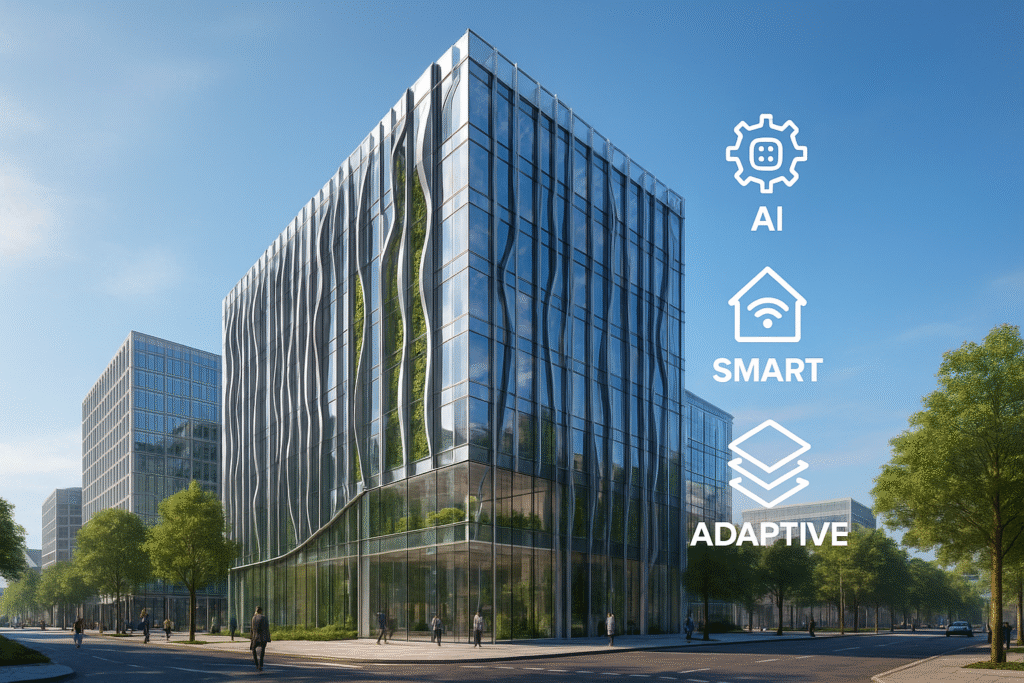
Adaptive construction refers to buildings that incorporate technologies, systems, and materials capable of responding intelligently to environmental changes, user behavior, energy demands, and even structural stress. These aren’t futuristic dreams anymore—they are active projects emerging across the globe. From smart façades that adjust sunlight automatically to self-learning HVAC systems, adaptive buildings are creating a new era where structures behave more like living organisms than inanimate objects.
The Evolution of Smart Buildings
Smart buildings have existed for a while, but adaptive construction takes the concept several steps further. Traditional smart buildings rely on automation—turning lights on and off, adjusting thermostats, or monitoring security. Adaptive buildings, however, utilize machine learning, sensor networks, responsive materials, and AI-driven analytics to make decisions on their own.
Think of it this way:
A smart building follows commands.
An adaptive building creates its own commands based on continuous data input.
This shift is significant. It means a building is always learning: learning how people move inside it, how the weather changes, how energy can be saved, how the structure behaves under different loads, and how to improve its own performance every day.
Key Features of Adaptive Construction
1. Intelligent Material Response
One of the most exciting innovations is the use of reactive materials—metals, polymers, and composites that physically change based on temperature, moisture, or stress. Imagine a roofing system that expands to increase insulation in cold weather but contracts to allow ventilation in summer. This reduces energy use without any external machinery.
2. AI-Based Predictive Systems
Adaptive buildings don’t wait for a problem—they anticipate it. With AI-powered monitoring, structures can predict when maintenance is needed, identify early-stage cracks, or detect stress points long before they become dangerous. For construction companies, this dramatically reduces risk and increases longevity.
3. Energy Optimization Through Learning
Modern buildings use a massive amount of energy, especially for cooling and heating. Adaptive systems utilize data from occupancy levels, time of day, climate patterns, and historical energy use to optimize consumption. This makes buildings more sustainable, cost-effective, and environmentally responsible.
4. Responsive Architecture
Façades and interior environments can now change shape, opacity, or airflow conditions based on real-time needs. Some adaptive buildings have windows that tint automatically with sunlight, while others adjust structural panels to improve ventilation or control humidity levels.
5. Human-Centric Adaptability
Adaptive construction is not just about technology; it’s about creating environments that respond to human needs. For example:
- Hospitals where rooms adjust temperature and lighting based on patient health data
- Offices where lighting changes depending on employee mood and productivity
- Homes where systems learn the lifestyle patterns of the residents
In every case, comfort, safety, and wellbeing become central priorities.
Why Adaptive Construction Matters
Sustainability
Buildings are responsible for nearly 40% of global energy consumption. Adaptive construction dramatically cuts this by reducing wastage and optimizing resource use. In an era where climate responsibility is non-negotiable, adaptive systems are becoming essential rather than optional.
Safety and Structural Health
Traditional construction requires routine inspections, but hidden structural problems can remain unnoticed until it’s too late. Adaptive buildings continuously monitor themselves, providing real-time insights into structural integrity. This has potential to prevent disasters, especially in earthquake-prone or high-stress environments.
Future-Proofing Infrastructure
As cities evolve, so do the demands placed on buildings. Adaptive construction ensures that structures remain useful, efficient, and compatible with emerging technologies. Instead of becoming outdated, they upgrade themselves through software updates and new learning data.
The Future of Adaptive Construction
In the coming years, adaptive construction will move from innovation to standard practice. Buildings will operate like ecosystems—balancing climate, people, and energy needs seamlessly. Cities will become interconnected networks where structures communicate with each other, sharing energy and information.
Imagine:
- A building sending excess solar power to a neighboring structure
- A bridge adjusting its tension based on traffic flow
- A residential tower reducing noise automatically during peak sleep hours
These possibilities are closer than we think. Construction is no longer just about building for today—it’s about building for the future.
Final Thoughts
Adaptive construction marks one of the most exciting leaps in architectural and engineering history. It blends creativity, science, and technology to create buildings that are not merely shelters, but intelligent partners in daily life. As we continue to face climate challenges, population growth, and urbanization, adaptive buildings will stand at the forefront of a safer, smarter, and more sustainable world.