From Security to Serenity: Why Renters Choose Gated Spaces
In today’s fast-paced urban world, renting a home is no longer just about affordability or proximity to work. Instead, it is increasingly about lifestyle, safety, and peace of mind. Consequently, gated communities have emerged as a preferred choice for renters across major cities.
While once seen as exclusive enclaves for homeowners, gated spaces now attract a growing population of tenants. Not only do they promise security, but they also offer serenity, convenience, and a sense of belonging. Therefore, understanding why renters gravitate toward these communities reveals much about modern urban living.
The First Layer: Security as a Basic Need
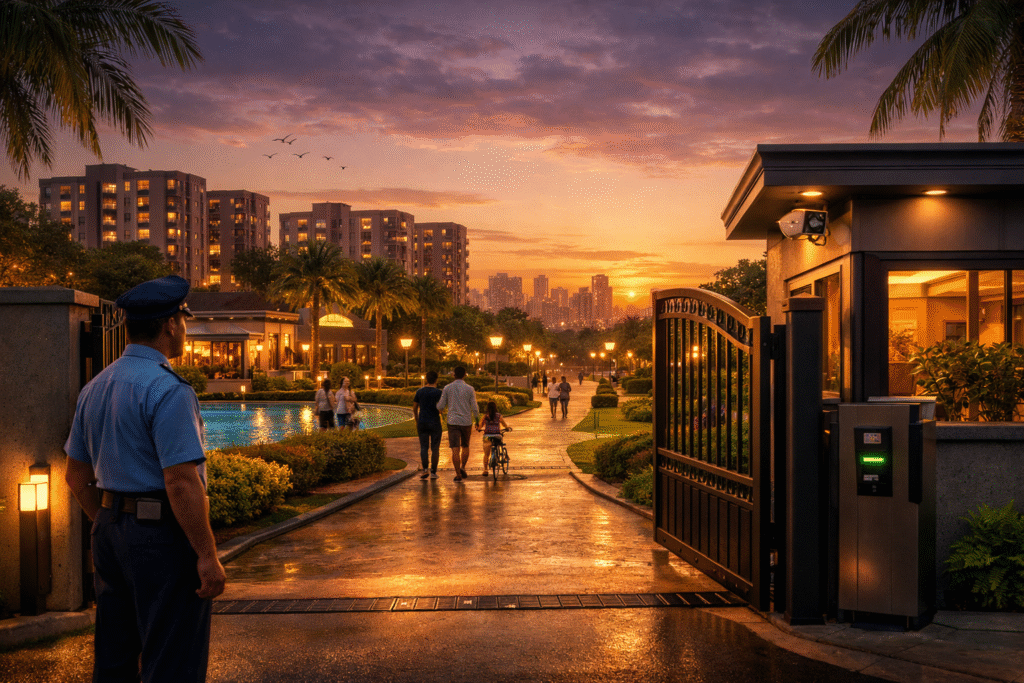
To begin with, safety remains the primary reason renters choose gated communities. In dense urban environments, concerns about theft, unauthorized entry, and neighborhood safety often shape housing decisions. Gated spaces address these fears through controlled access points, security personnel, and surveillance systems.
Moreover, digital technologies such as visitor management apps, CCTV monitoring, and intercom systems further enhance residents’ sense of protection. As a result, renters—especially families, young professionals, and students—feel reassured knowing that their environment is actively monitored.
In addition, parents often find comfort in allowing children to play outdoors within the boundaries of the community. Likewise, working individuals returning home late at night experience less anxiety when entering a secured compound. Thus, security is not merely a feature; it becomes a foundational value shaping the rental choice.
Beyond Locks and Gates: The Search for Serenity
However, safety alone does not explain the growing popularity of gated living. Increasingly, renters seek tranquility alongside protection. After long hours in traffic, noisy offices, or crowded public spaces, they desire homes that feel calm and restorative.
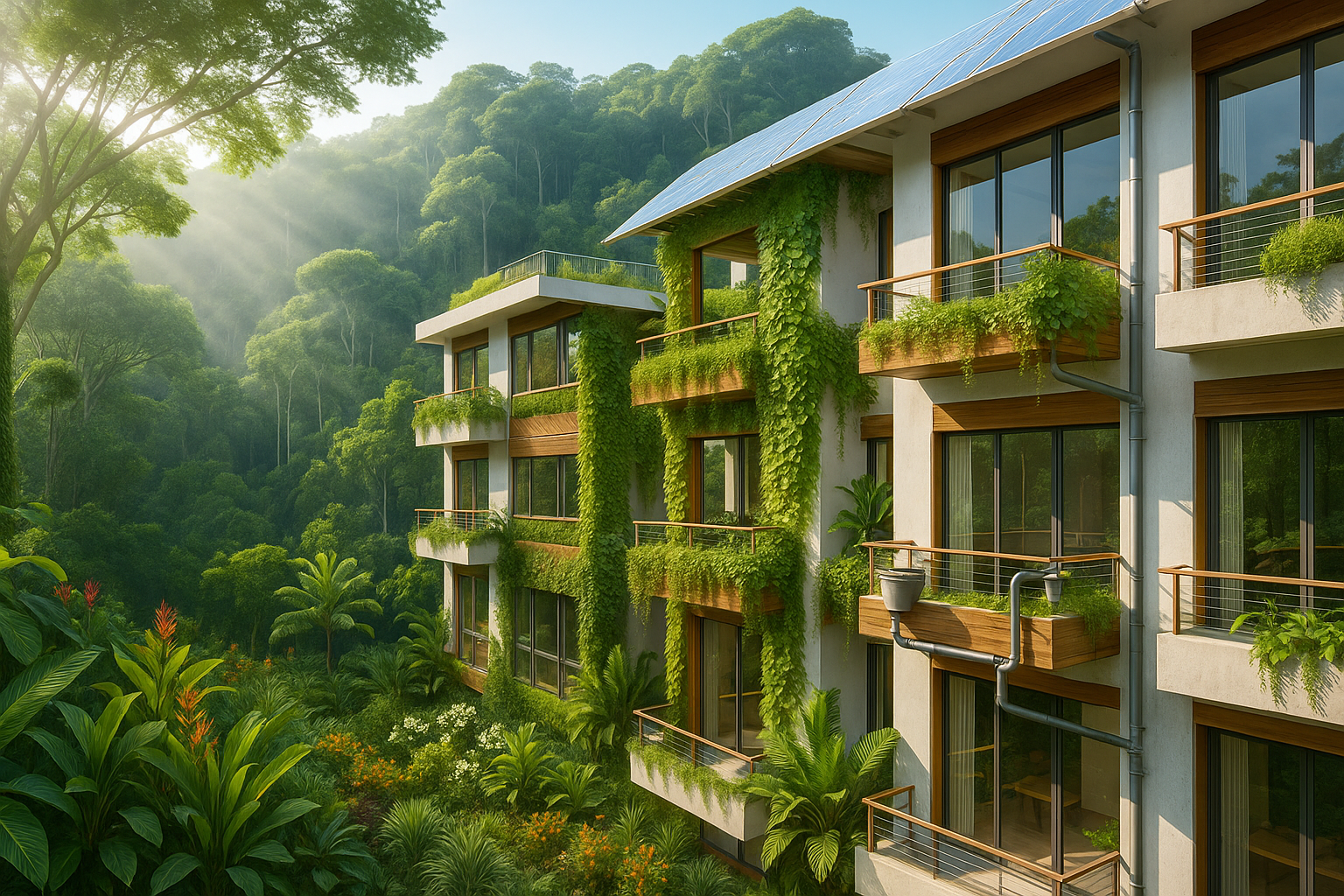
Gated communities frequently incorporate landscaped gardens, walking paths, and green zones. Consequently, residents experience a psychological shift when entering their compound—a transition from chaos to calm. Even simple features like tree-lined internal roads or quiet seating areas contribute to this atmosphere of serenity.
Furthermore, restrictions on traffic flow within the premises reduce noise and pollution. This controlled environment fosters better sleep, relaxation, and mental well-being. Therefore, gated spaces do not merely shield residents from threats; they also shield them from stress.
Community Without Ownership
Another compelling reason renters prefer gated communities is the social structure they provide. Traditionally, rental housing was seen as temporary and detached from community life. However, gated developments often blur this distinction.
Shared amenities such as clubhouses, gyms, and swimming pools encourage interaction among residents. As a result, tenants form friendships, parenting groups, hobby circles, and fitness routines together. Importantly, these connections help renters feel rooted—even without owning the property.
Additionally, organized events such as festivals, sports tournaments, and cultural celebrations foster collective identity. In many cases, tenants participate just as actively as homeowners. Thus, gated spaces redefine community as something experienced rather than owned.
Convenience as a Lifestyle Upgrade
Equally significant is the convenience factor. Modern gated complexes function almost like self-contained neighborhoods. For instance, many include grocery stores, pharmacies, daycare centers, or co-working spaces within walking distance.
Consequently, renters save time on daily errands and reduce reliance on long commutes. This becomes particularly valuable for dual-income families or remote workers. Moreover, the presence of maintenance teams ensures that repairs, plumbing issues, or electrical faults are handled efficiently.
In comparison, independent rental units often require tenants to manage these responsibilities themselves. Therefore, gated living simplifies everyday life, making it attractive for people seeking comfort without long-term ownership commitments.
Predictability and Order
Another advantage lies in the structured management of gated properties. Housing associations typically enforce guidelines regarding noise levels, cleanliness, parking, and waste disposal. While some may view rules as restrictive, many renters appreciate the predictability they create.
For example, regulated parking systems prevent disputes among residents. Likewise, standardized maintenance schedules keep common areas clean and functional. As a result, tenants enjoy a more orderly living environment compared to unregulated neighborhoods.
This sense of organization contributes significantly to perceived quality of life. Indeed, renters often associate such stability with professionalism and reliability, further strengthening the appeal of gated communities.
A Flexible Path to Premium Living
Importantly, renting within a gated complex allows individuals to access high-quality housing without the financial burden of buying property. Real estate prices in urban centers can be prohibitively high, making ownership unattainable for many.
However, renting in these developments provides exposure to better infrastructure, amenities, and surroundings. Consequently, tenants experience premium living standards while retaining flexibility to relocate for career opportunities or personal reasons.
This arrangement particularly suits young professionals who prioritize mobility. Likewise, families testing a new city often choose gated rentals before deciding on permanent residence. Thus, gated spaces bridge the gap between aspiration and practicality.
Mental Well-Being and Emotional Comfort
Perhaps the most subtle yet powerful reason renters choose gated communities is emotional comfort. Living in a space perceived as safe, organized, and peaceful reduces daily cognitive stress.
For instance, residents worry less about package theft, parking safety, or unexpected disturbances. Moreover, children grow up in environments where outdoor play feels secure. Over time, these small reassurances accumulate into a broader sense of well-being.
Psychologically, such environments foster relaxation and stability. Therefore, renters do not merely lease a home—they invest in peace of mind.
The Future of Rental Preferences
Looking ahead, the popularity of gated communities among renters is likely to grow. Urbanization continues to intensify, and lifestyle expectations are rising simultaneously. As cities expand, residents will increasingly prioritize environments that combine safety, convenience, and emotional balance.
Developers are already responding by designing rental-friendly gated projects with co-living zones, flexible lease options, and shared workspaces. Consequently, the distinction between ownership and renting may continue to blur in the coming years.
Ultimately, gated communities symbolize a broader shift in how people define home. No longer is it simply a private dwelling; it is an ecosystem that supports security, serenity, and social connection.
Conclusion
In conclusion, renters choose gated spaces not only for protection but also for the promise of a better daily experience. Security provides the foundation, yet serenity, convenience, and community transform these developments into desirable living environments.
As urban life becomes more demanding, the appeal of structured, peaceful, and well-managed spaces will only increase. Therefore, gated communities represent more than a housing trend—they reflect the evolving priorities of modern renters seeking balance in a busy world.