
In today’s evolving real estate landscape, investors are constantly searching for properties that offer both stability and growth. While standalone houses and open apartments still attract buyers, gated communities have steadily emerged as a preferred investment option. Not only do they promise enhanced security and lifestyle amenities, but they also deliver strong and reliable rental returns. Consequently, investors across major urban centers—from Bangalore to Dubai and London—are increasingly focusing on these enclosed residential developments.
1. Strong Tenant Demand
First and foremost, gated communities attract a wide range of tenants. Young professionals, families with children, and expatriates often prioritize safety, organized infrastructure, and social amenities when choosing a home. Therefore, properties within gated developments are rarely vacant for long.
Moreover, as cities expand and urban life becomes busier, tenants prefer environments that offer convenience and peace of mind. Features such as controlled entry, CCTV surveillance, and on-site maintenance teams create a sense of reliability. As a result, investors benefit from steady occupancy rates and fewer gaps between tenants.
2. Higher Rental Yields
In addition to strong demand, gated communities often command higher rents compared to similar properties outside enclosed developments. This happens because tenants are not just paying for the apartment—they are paying for the lifestyle.
For example, amenities like gyms, landscaped gardens, walking tracks, swimming pools, and children’s play areas significantly increase perceived value. Consequently, investors can charge premium rents without drastically increasing property size or cost.
Furthermore, tenants are usually willing to stay longer in such environments. Long-term occupancy reduces marketing expenses, broker commissions, and maintenance interruptions, thereby improving overall rental yield.
3. Lower Maintenance Burden for Owners
Another reason investors favor gated properties is the shared maintenance structure. Instead of individually managing repairs, security, waste disposal, and landscaping, owners rely on the community association or property management company.
This system benefits investors in several ways. Firstly, it ensures consistent upkeep of the property’s surroundings, which helps preserve value. Secondly, it reduces the effort needed to coordinate vendors and service providers. Thirdly, it makes the property more attractive to prospective tenants.
Therefore, even remote investors—such as those purchasing property in another city or country—find gated developments easier to manage.
4. Enhanced Property Value Over Time
Beyond rental income, investors also consider long-term capital appreciation. Gated communities often appreciate faster than standalone units because of planned infrastructure and consistent aesthetic maintenance.
Unlike independent buildings that may deteriorate due to uneven upkeep, gated complexes maintain uniform standards. Roads remain functional, common spaces stay clean, and landscaping continues to improve. Consequently, these factors protect the overall brand value of the property.
Additionally, developers frequently choose prime or developing corridors for such projects. As infrastructure improves around these zones, property prices rise, allowing investors to benefit from both rental income and appreciation.
5. Appealing to Corporate Tenants
Interestingly, gated communities are especially attractive to corporate renters. Companies relocating employees often prefer housing that ensures security, easy maintenance, and ready amenities. Hence, apartments within such developments are commonly leased to corporate staff.
Corporate leases are typically more stable and structured than individual rentals. They often involve longer contracts, timely payments, and fewer disputes. Therefore, investors gain predictable cash flow and reduced risk.
This trend is particularly visible in global business hubs like New York and technology centers worldwide, where corporate housing demand continues to rise.
6. Better Community Living Environment
Another significant advantage is the built-in social ecosystem. Tenants in gated communities enjoy shared spaces that foster interaction—clubhouses, event lawns, walking trails, and recreational zones.
Because of this, residents often feel a stronger sense of belonging. A positive community atmosphere encourages tenants to renew leases rather than relocate frequently. Consequently, investors experience lower turnover rates and more stable rental income.
Moreover, family-oriented tenants value these environments because they offer safe outdoor spaces for children and seniors. This widens the pool of potential renters.
7. Security as a Key Selling Point
Security remains one of the strongest reasons investors prefer gated developments. Controlled access points, trained guards, digital entry logs, and surveillance systems significantly reduce safety concerns.
For tenants, especially those moving from other cities or countries, this reassurance is invaluable. For investors, it translates into stronger demand and the ability to attract premium renters.
In addition, secure environments often experience fewer property damages or disturbances, which reduces repair costs and protects the investor’s asset.
8. Easier Financing and Resale Prospects
From a financial perspective, banks and lending institutions often view gated community properties as lower-risk investments. Consequently, investors may find it easier to obtain loans or favorable interest rates.
Furthermore, when it comes time to sell, such properties are usually easier to market. Buyers recognize the benefits of organized living spaces, so resale demand remains strong.
Thus, investors enjoy flexibility—whether they wish to hold the property for rental income or liquidate it later for profit.
9. Future-Proof Investment Choice
Finally, urban planning trends increasingly favor integrated housing projects. Governments and developers are promoting organized residential zones that include green spaces, waste management systems, and shared infrastructure.
As cities become denser, such developments are likely to dominate future housing supply. Therefore, investing in gated communities aligns with long-term urban growth patterns.
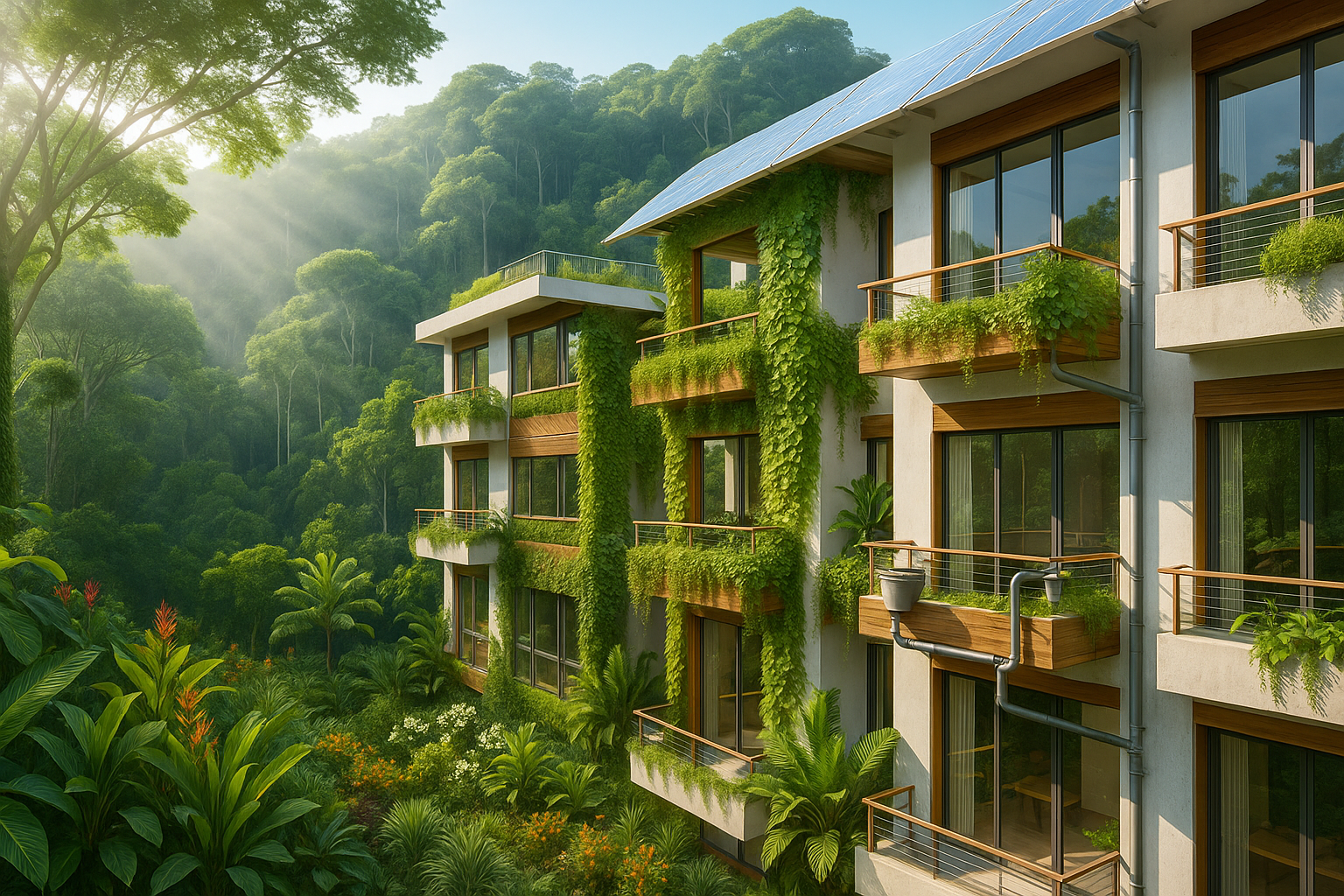
Additionally, sustainability features—such as rainwater harvesting, solar lighting, and waste segregation—are becoming standard in modern complexes. These features attract environmentally conscious tenants and further strengthen rental demand.
Conclusion
To sum up, gated communities offer investors a powerful combination of consistent demand, premium rental potential, lower maintenance stress, and long-term appreciation. While the initial investment may be slightly higher than standalone properties, the returns often justify the cost.
Because tenants increasingly seek safety, convenience, and community living, enclosed developments are becoming the preferred rental choice worldwide. Consequently, investors who prioritize stability and growth continue to see gated communities as one of the smartest real estate investments available today.