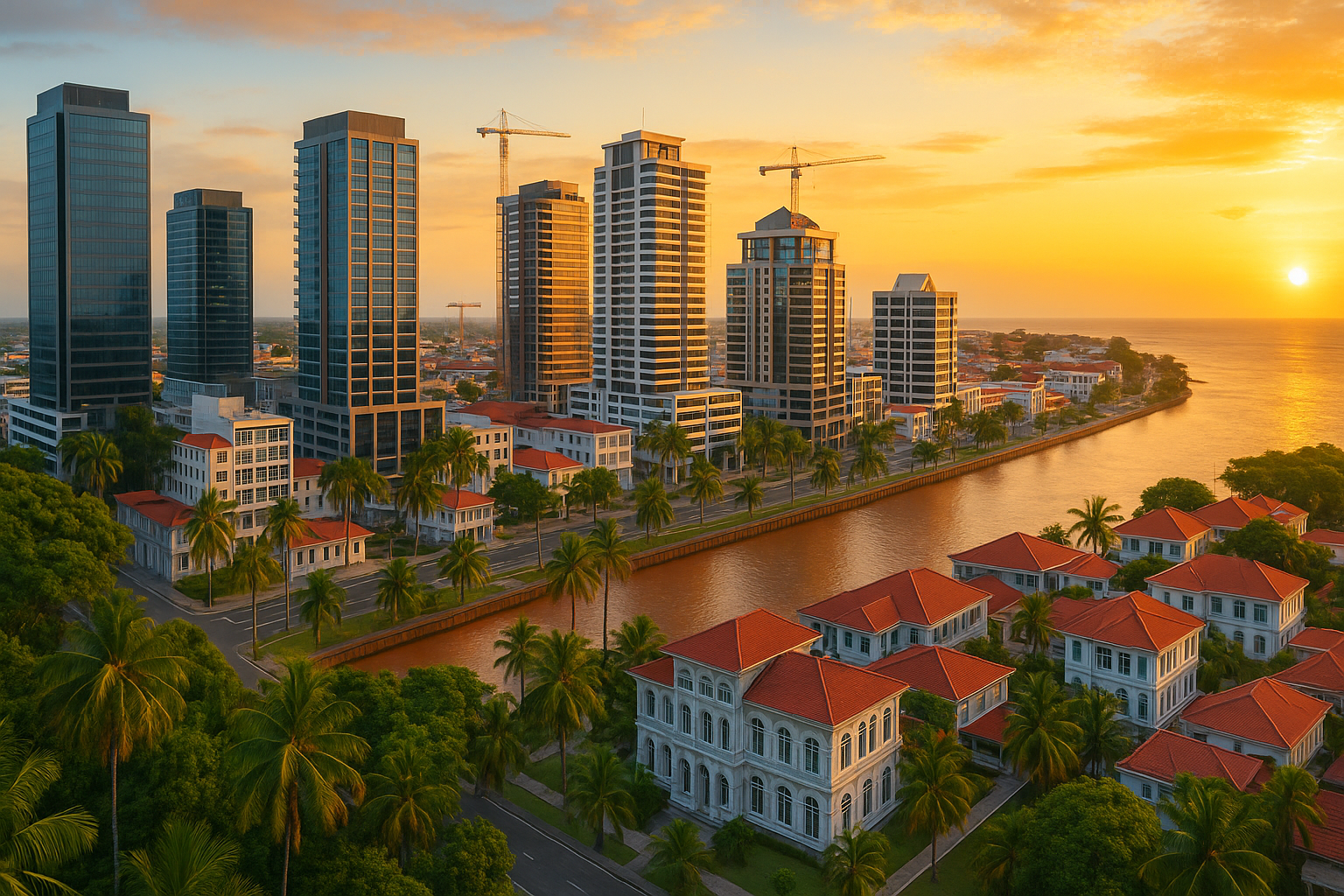
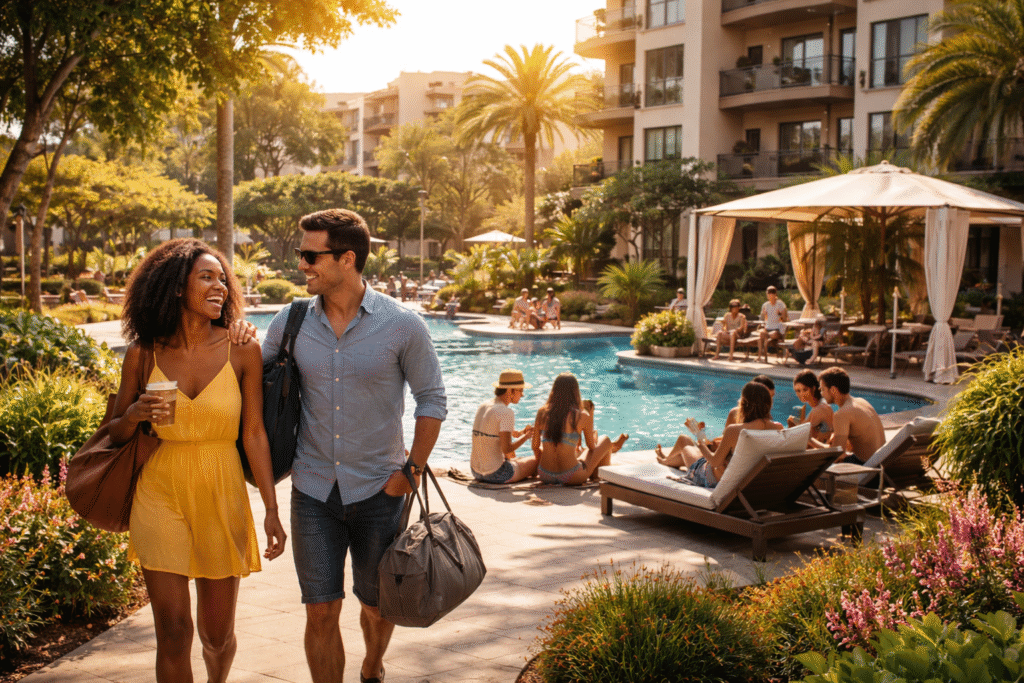
Urban living has changed dramatically over the past decade. Once upon a time, gated communities symbolized long-term ownership, financial stability, and exclusivity. However, today a new pattern is emerging. Increasingly, renters—not owners—are filling these secure, well-planned neighborhoods. As a result, the cultural identity of gated communities is quietly transforming. This shift is not merely about housing preferences; rather, it reflects broader economic realities, lifestyle priorities, and evolving definitions of success.
From Ownership to Access
Traditionally, owning a home in a gated community represented achievement. It signified permanence, security, and social status. However, rising property prices in urban centers have made ownership less accessible, especially for younger professionals. Consequently, renting has become not just an alternative but a strategic choice.
Moreover, modern professionals value flexibility. Career mobility, remote work opportunities, and global job markets encourage people to avoid long-term financial commitments. Therefore, renting within a gated community allows individuals to enjoy premium amenities without being tied down by mortgages.
In addition, access has begun to outweigh ownership. Today’s urban resident often prefers experiences over assets. Instead of asking, “Do I own this space?” the question becomes, “Does this space support my lifestyle?” Gated communities, with their gyms, landscaped gardens, security systems, and clubhouses, provide that support—without requiring ownership.
Changing Demographics
Another significant factor contributing to this rise is demographic change. Millennials and Gen Z professionals are entering the housing market with different priorities than previous generations. For instance, they value community engagement, convenience, and safety. At the same time, they are cautious about long-term debt.
As a result, many choose to rent apartments within gated complexes. Furthermore, expatriates, digital nomads, and short-term corporate employees also prefer gated rentals due to their ready infrastructure and secure environments.
Interestingly, families are also participating in this shift. Rather than purchasing property immediately, young couples often rent in gated communities to test neighborhoods, schools, and commuting distances before committing to a purchase. Thus, renting becomes a transitional yet meaningful phase of urban life.
Redefining Community
Previously, gated communities were often associated with permanence and tight-knit ownership-based associations. However, the influx of renters is subtly reshaping social dynamics. While some critics argue that renters may feel less invested, the reality is more nuanced.
In fact, renters often bring diversity and vibrancy. Since many renters are young professionals or globally mobile individuals, they introduce new cultures, ideas, and lifestyles into these spaces. Consequently, social interactions become more dynamic.
Additionally, community events, shared amenities, and digital resident groups foster belonging regardless of ownership status. Over time, participation—not property deeds—defines engagement. Therefore, community identity becomes more fluid and inclusive.
Economic Realities Behind the Shift
Of course, economics plays a central role. Urban real estate prices have soared in major cities worldwide. Simultaneously, wages have not always kept pace with property inflation. Hence, many urban dwellers find renting within a gated community financially practical.
Furthermore, developers increasingly design gated communities with rental markets in mind. Investors purchase multiple units and lease them out, recognizing the steady demand. Consequently, gated living is no longer an exclusive domain of homeowners but part of a broader housing ecosystem.
Moreover, maintenance costs, property taxes, and long-term liabilities can make ownership complex. Renting, on the other hand, simplifies responsibilities. If repairs arise, landlords often handle them. Thus, residents enjoy the benefits without the burdens of ownership.
Safety and Status Reimagined
Initially, gated communities were marketed primarily around safety and exclusivity. Security guards, surveillance systems, and restricted access gates symbolized protection and prestige. However, renters today are redefining what those features mean.
For many, safety is not about status but peace of mind. Single professionals, working women, and families alike appreciate the added layer of security. As urban environments grow denser, the appeal of controlled access increases.
Simultaneously, the status associated with gated living has shifted. Instead of signaling wealth through ownership, residents signal lifestyle choices. Living in a gated community while renting suggests prioritizing comfort, accessibility, and convenience.
Therefore, status moves from permanence to preference.
The Influence of Remote Work
Another powerful driver behind this trend is remote and hybrid work. Since the pandemic reshaped professional structures, home environments have become more important than ever. People now seek spaces that accommodate both work and leisure.
Gated communities often offer landscaped surroundings, quieter streets, and recreational amenities. Consequently, renters working from home find these spaces ideal. In addition, shared coworking lounges within modern complexes further enhance their appeal.
Because location constraints have loosened, many professionals choose gated rentals in suburban or semi-urban areas where quality of life may be higher. Thus, the rise of renters in gated communities aligns closely with broader workplace transformations.
Cultural Shifts in Urban Identity
Beyond economics and work trends, this rise reflects a deeper cultural shift. Historically, adulthood milestones included buying property. However, contemporary urban culture redefines achievement. Career growth, travel experiences, mental well-being, and flexibility often rank higher than homeownership.
As a result, renting no longer carries stigma. Instead, it represents mobility and independence. Living in a gated community as a renter demonstrates that quality living is accessible without long-term ownership.
Furthermore, urban identity today revolves around adaptability. Cities evolve rapidly, and residents evolve with them. Renting enables people to move with opportunity, whether across neighborhoods or across continents.
Therefore, the presence of renters in gated communities symbolizes modern urban resilience.
Challenges and Tensions
Nevertheless, this transformation is not without challenges. Tensions sometimes arise between owners and renters regarding community rules or long-term maintenance decisions. Owners may prioritize property value appreciation, whereas renters may focus on immediate living experience.
However, many resident associations are adapting. Clear communication, inclusive events, and transparent policies help bridge potential divides. Over time, shared spaces encourage shared responsibility.
In fact, when managed thoughtfully, a mix of renters and owners can create a balanced community ecosystem—combining stability with fresh energy.
The Future of Gated Living
Looking ahead, the presence of renters in gated communities is likely to grow. Urban expansion, economic unpredictability, and shifting lifestyle priorities will continue influencing housing decisions.
Developers may increasingly design “rent-friendly” gated communities with flexible lease terms, furnished units, and community-building initiatives. At the same time, technology will enhance access control, digital maintenance systems, and online community forums.
Ultimately, gated communities may become less about ownership boundaries and more about curated living environments. Instead of asking who owns the walls, the focus will shift toward how people live within them.
Conclusion
The rise of renters in gated communities signals more than a housing trend. Rather, it reflects a profound shift in urban culture. As economic realities evolve and lifestyle priorities change, renting becomes a conscious, empowered choice.
Consequently, gated communities are no longer static symbols of ownership. Instead, they are dynamic spaces where flexibility, security, and community intersect. Through this transformation, urban living becomes more fluid, inclusive, and adaptive.
In the end, the gate no longer separates owners from outsiders. Instead, it frames a shared environment where modern city dwellers—whether renting or owning—create meaning, connection, and belonging.