In modern apartment living, space is often measured in square feet. , emotion is measured in moments. While living rooms are designed for function and bedrooms are built for rest, one space has quietly evolved into something far more meaningful: the balcony. balconies have transformed from overlooked extensions into the most emotional space in modern apartments—a place for pause, reflection, connection, and calm.
This transformation did not happen suddenly.it emerged gradually as lifestyles changed, cities grew denser, and people began craving deeper emotional connections within their homes.
From Utility to Emotional Sanctuary
Traditionally, balconies served practical purposes. They were used for drying clothes, storing household items, or housing outdoor units. As a result, they were rarely treated as living spaces. , as apartments became smaller and urban life more intense, balconies started filling an emotional void that interiors alone could not satisfy.
Modern life is fast-paced, enclosed, and dominated by screens. In contrast, balconies offer openness. Even a compact balcony creates psychological relief. In essence, it is the one place where walls soften and the indoors gently meets the outdoors.
The Power of In-Between Spaces
Balconies are neither completely inside nor fully outside., this in-between nature is exactly what gives them emotional power.
From a psychological perspective, transitional spaces help people regulate emotions., stepping onto a balcony allows residents to disconnect momentarily without actually leaving home. It becomes a buffer between personal life and the overwhelming rhythm of the city.
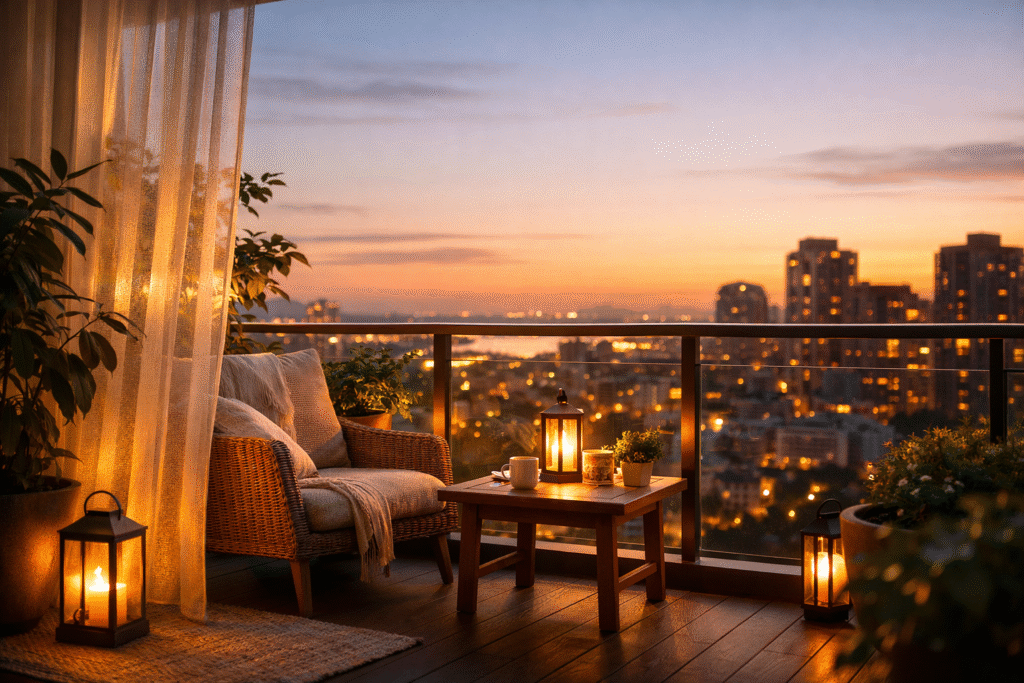
For many people, this transition turns into a daily ritual. For instance, mornings begin with sunlight and coffee, evenings end with quiet reflection, and nights invite thoughts under glowing city lights. Over time, these small rituals become deeply emotional anchors.
A Shift Accelerated by the Pandemic
One of the most significant turning points in balcony culture occurred during the global pandemic. When lockdowns confined people indoors, apartments were suddenly required to serve multiple roles—offices, classrooms, gyms, and sanctuaries.
During this period, balconies became lifelines.
On one hand, they provided fresh air after days inside. , they offered moments of connection—clapping with neighbors, watching sunsets, or simply feeling the outside world continue. balconies became symbols of freedom, resilience, and emotional survival.
Even after normal life resumed, this emotional bond did not fade., it reshaped how people value balcony spaces today.
Nature as Emotional Medicine
Humans have an innate need to connect with nature. modern apartments often limit access to greenery and open landscapes.
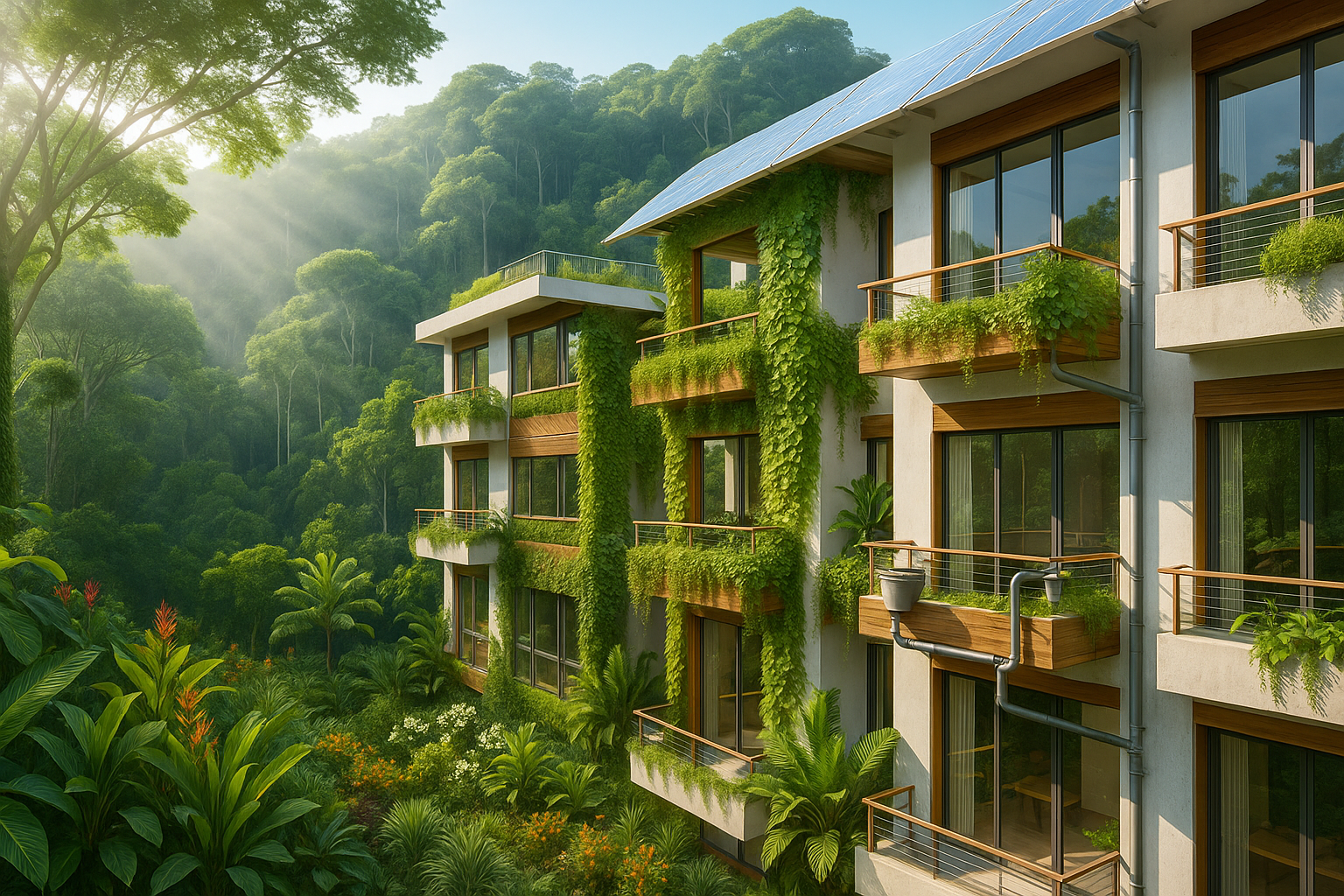
Even small doses of nature—potted plants, open sky, or natural light—can significantly improve emotional well-being. In fact, research consistently shows that exposure to natural elements reduces stress, improves focus, and enhances mood.
Through balconies, residents can observe weather changes, feel sunlight, hear city sounds, and grow plants. As a result, these sensory experiences create grounding moments in otherwise hectic urban lives.
A Reflection of Personal Identity
Unlike standardized interiors, balconies often reflect individuality. While interiors follow fixed layouts, balconies become personal canvases. People decorate them with plants, cushions, lights, or chairs—each choice revealing something about the person inside.
Consequently, balconies turn into visual expressions of emotion. Some become quiet reading corners, others turn into meditation spaces, and many transform into intimate retreats. In high-rise buildings, where apartments may look identical, balconies quietly tell personal stories.
Solitude Without Isolation
One of the paradoxes of apartment living is feeling alone while being surrounded by people. balconies offer a gentle solution.
From a balcony, residents can watch life unfold without participating. they remain connected without being exposed. This balance is emotionally powerful. Therefore, balconies allow solitude without isolation—an increasingly valuable experience in modern cities.
Emotional Architecture and Design Evolution
Recognizing this emotional importance, architects and developers have begun rethinking balcony design. Today, modern apartment projects increasingly feature larger balconies, seamless indoor–outdoor transitions, and improved access to light and air.
This design shift reflects a deeper understanding: homes are not just physical structures. Rather, they are emotional ecosystems. Balconies enhance not only ventilation and aesthetics, but also mental comfort and emotional well-being.
Adapting to Every Life Stage
Another reason balconies hold emotional significance is their adaptability. , balconies serve different purposes.
For young adults, they symbolize independencethey become shared quiet moments., they offer safe outdoor experiences for children. , they provide daily connection to the world beyond walls.
Few spaces evolve so gracefully alongside human life.
Why Balconies Matter More Than Ever
As cities continue to grow vertically and living spaces become more compact, emotional spaces are no longer optional—they are essential. In this context, balconies meet a fundamental human need: the need to pause, breathe, and observe.
They remind us that home is not only where we live, but where we feel.
Conclusion: More Than Just a View
Ultimately, balconies are no longer architectural extras. Instead, they are emotional landscapes shaped by light, air, and everyday moments. In a world that constantly demands attention, balconies offer something rare: permission to slow down.
That is precisely why balconies have become the most emotional space in modern apartments—not because of their size, but because of the feelings they quietly hold.