For generations, the idea of a home has been tied to individual houses—private land, a gate, a backyard, and a sense of permanence. But as cities grow denser and lifestyles evolve, that definition is quietly changing. High-rise apartments, once seen as a compromise, are now becoming a preferred choice for many. This raises an important question: will apartments replace individual homes in the next generation?
The answer isn’t a simple yes or no. Instead, it lies at the intersection of urbanization, economics, lifestyle preferences, and sustainability.
The Rising Pressure on Urban Land
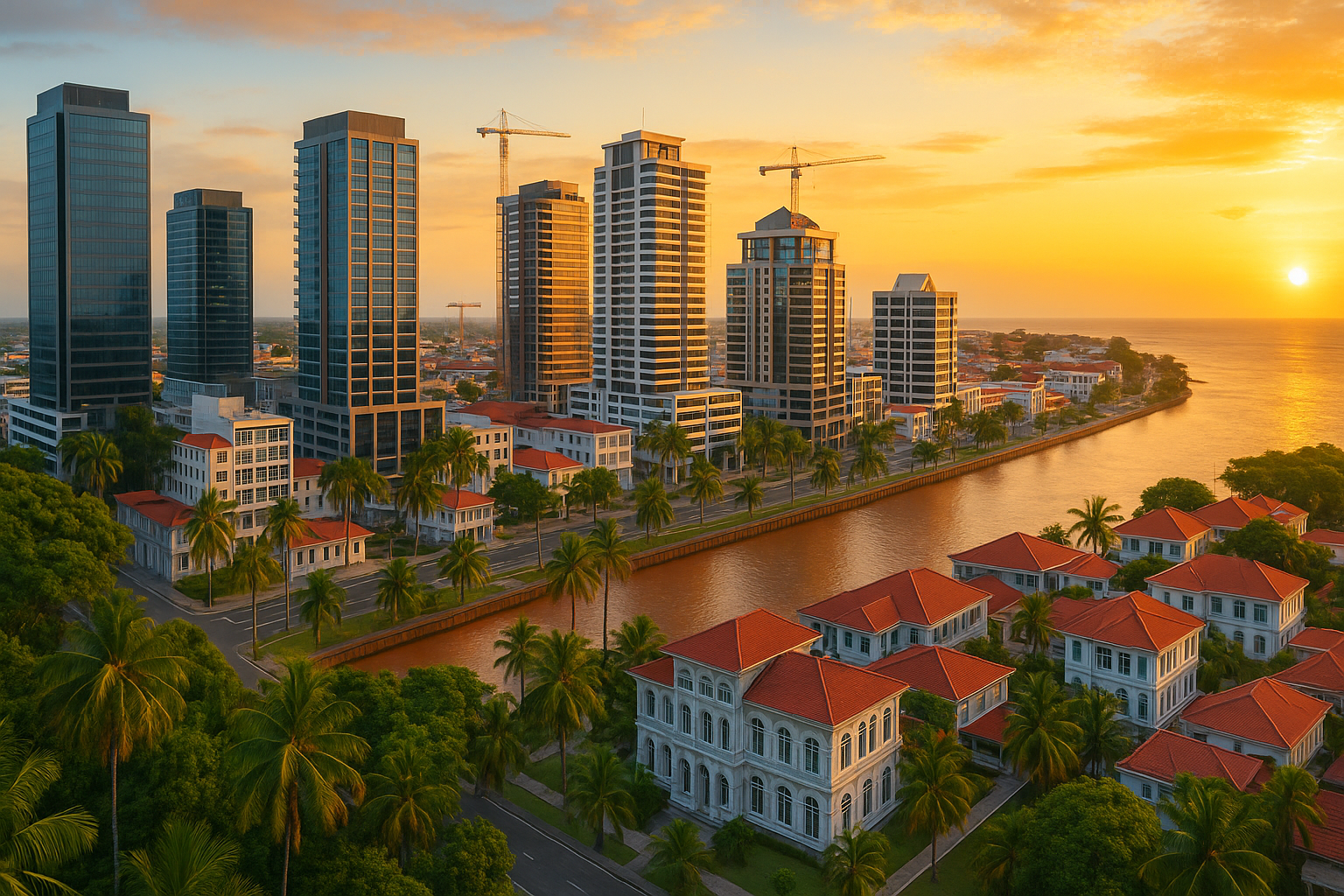
Cities around the world are expanding faster than ever. With increasing population and limited land availability, horizontal growth is no longer practical in many regions. Individual homes require large plots, which are becoming both scarce and expensive, especially in urban and semi-urban areas.
Apartments offer a vertical solution. By building upward rather than outward, cities can accommodate more people without consuming additional land. For future generations growing up in megacities, apartment living may feel less like an alternative and more like the norm.
Affordability and Economic Realities
Owning an individual house has become financially out of reach for many young buyers. Rising land prices, construction costs, and property taxes have shifted the market significantly. Apartments, while not always cheap, generally offer a more attainable entry point into homeownership.
Younger generations also prioritize financial flexibility. Many prefer investing in experiences, education, or businesses rather than tying up capital in a large standalone home. Apartments align well with this mindset, offering ownership or rental options with fewer long-term financial burdens.
Changing Lifestyles and Priorities
The next generation values convenience, connectivity, and community. Apartments often place residents closer to workplaces, schools, public transport, and social hubs. The daily commute becomes shorter, and time saved turns into quality of life gained.
Modern apartment complexes also offer shared amenities such as gyms, co-working spaces, rooftop gardens, and recreational areas. These features reduce the need for private space while enhancing social interaction—something individual homes often lack in urban settings.
Sustainability and Environmental Impact
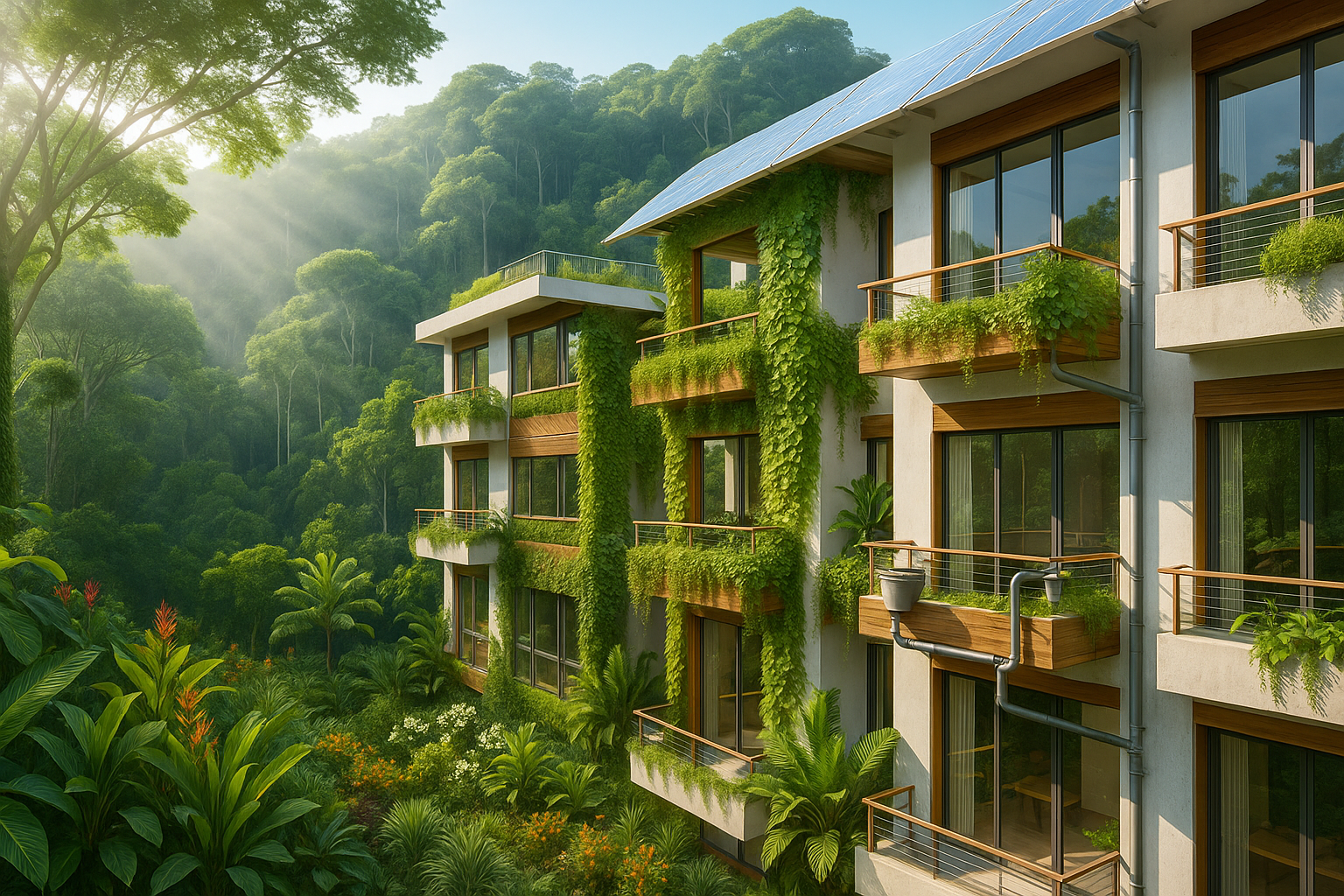
Environmental awareness is shaping housing choices more than ever before. Apartments typically consume fewer resources per household compared to individual homes. Shared walls reduce energy loss, and centralized systems for water, waste management, and power are often more efficient.
Future housing policies may increasingly favor apartment developments that meet sustainability standards. Green buildings, solar-powered complexes, and smart energy systems are easier to implement at scale in apartment settings than in scattered individual homes.
The Emotional Value of Individual Homes
Despite these advantages, individual homes still hold strong emotional and cultural value. For many, owning land symbolizes security, independence, and legacy. Individual houses offer privacy, personal outdoor space, and the freedom to customize without restrictions.
In suburban and rural areas, individual homes will likely remain desirable. Families seeking quiet surroundings, space for children, or multi-generational living may continue to choose standalone houses over apartments.
A Hybrid Future Rather Than a Replacement
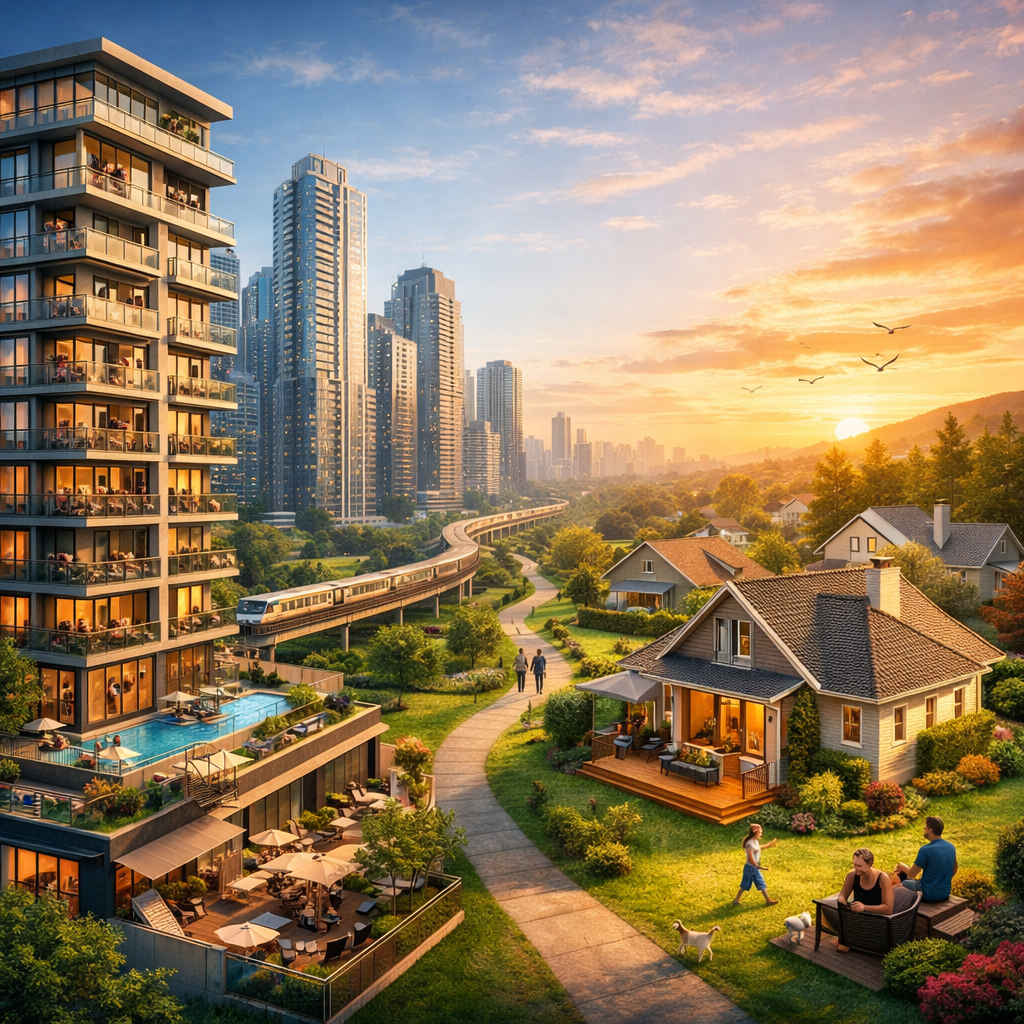
Rather than fully replacing individual homes, apartments are more likely to dominate urban housing, while individual homes thrive in less dense regions. The future will probably see a hybrid model—high-rise living in cities and independent homes in suburban and rural landscapes.
Innovations like low-rise apartments, townhouses, and mixed-use communities are already blending the benefits of both worlds. These models suggest evolution, not elimination.
What the Next Generation May Choose
For the next generation, “home” will be defined less by land ownership and more by livability, access, and adaptability. Apartments fit naturally into this shift. They offer practicality in a fast-moving, urban-centered world.
Yet, individual homes will continue to represent aspiration for those who seek space, privacy, and tradition. The choice will depend on location, lifestyle, and personal values—not a one-size-fits-all future.
Conclusion
Apartments are unlikely to completely replace individual homes, but they will play a much larger role in shaping how future generations live. As cities grow upward and lifestyles become more flexible, apartments will move from being an alternative to a mainstream choice.
The future of housing isn’t about replacement—it’s about redefinition. And in that evolving definition, both apartments and individual homes will find their place.