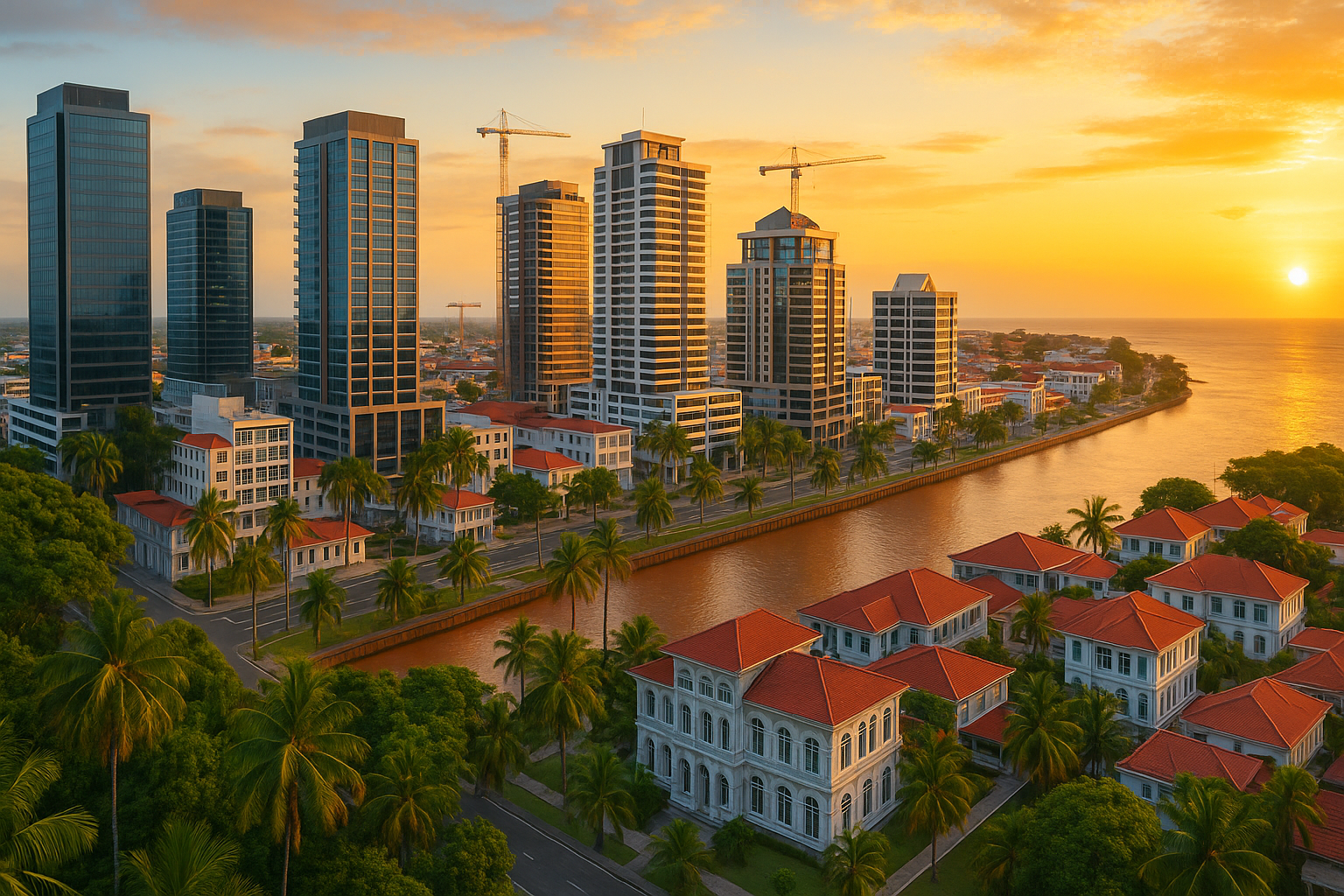
Cities have always grown upward as much as outward, but in recent decades, the skyline has become a defining symbol of modern life. High-rise apartments—often called “apartments in the sky”—are no longer limited to business districts or luxury enclaves. They are now homes for families, professionals, retirees, and creatives across the world. Beyond their architectural presence, these elevated living spaces subtly but profoundly reshape how people see the world, themselves, and their place within a city.
High-rise living is not just a change of address; it is a change of perspective—psychological, emotional, and social.
A New Relationship with Space and Scale
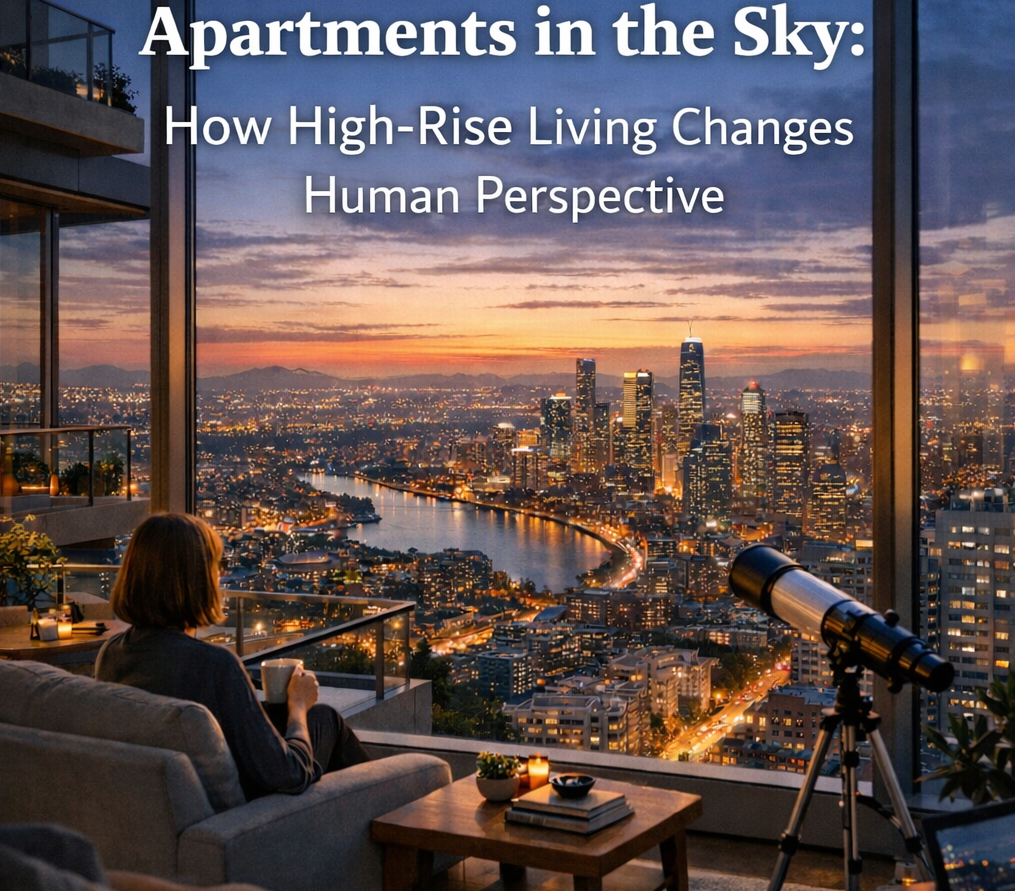
One of the most immediate changes high-rise living brings is an altered perception of space. From above, streets feel quieter, traffic becomes abstract, and the city transforms into a living map. This elevated vantage point creates a sense of distance from daily chaos, even when living in the heart of urban density.
At higher floors, the horizon expands. Residents begin to think in broader terms—about weather patterns, sunsets, city lights, and distant landmarks. The sky becomes an active part of daily life rather than a backdrop. This shift in scale often encourages a more reflective mindset, where individuals feel both smaller within the vastness of the city and more connected to its overall rhythm.
Psychological Effects: Calm, Control, and Clarity
High-rise apartments often provide a sense of calm that contrasts with street-level living. Reduced noise, fewer visual distractions, and controlled access points can create a feeling of safety and order. For many residents, this environment promotes mental clarity and emotional balance.
Studies in environmental psychology suggest that views from elevated heights—especially those including greenery, water, or open skies—can reduce stress and improve mood. The daily ritual of looking out over a city from above can foster mindfulness, offering moments of pause in otherwise fast-paced lives.
At the same time, high-rise living can enhance a sense of control. Elevation symbolically represents achievement and progress, particularly in cultures where “moving up” is associated with success. For some, living higher quite literally reinforces feelings of independence and personal growth.
Redefining Privacy and Social Interaction
Living in the sky changes how people interact with neighbors and communities. High-rise buildings often replace spontaneous street interactions with structured social spaces such as elevators, shared lounges, gyms, and rooftops. While this can reduce casual encounters, it also encourages intentional connections.
Privacy becomes more pronounced. Elevated apartments are less exposed to passersby, allowing residents to feel unseen and uninterrupted. This increased privacy can be empowering, especially for those who value solitude or work from home.
However, high-rise living also requires a collective mindset. Shared infrastructure—lifts, corridors, security systems, and amenities—means residents must coexist thoughtfully. Over time, this fosters a unique form of urban community where boundaries are respected, yet interdependence is unavoidable.
Changing Daily Routines and Habits
Life in a high-rise subtly alters daily habits. Elevators replace stairs, views replace street-level distractions, and indoor amenities reduce the need to step outside frequently. For many, this leads to more curated routines—planned outings rather than spontaneous ones.
Morning coffee might be enjoyed while watching the city wake up below. Evenings may revolve around sunset views or city lights rather than neighborhood activity. Over time, residents may become more inward-focused, valuing comfort, efficiency, and visual serenity.
This shift can be both positive and challenging. While it supports productivity and relaxation, it also requires conscious effort to stay physically active and socially engaged beyond the building’s walls.
A Shift in Environmental Awareness
High-rise living often heightens environmental awareness. From above, pollution is visible, weather changes are dramatic, and urban sprawl becomes unmistakable. Seeing the city as a whole can foster a stronger sense of responsibility toward sustainability.
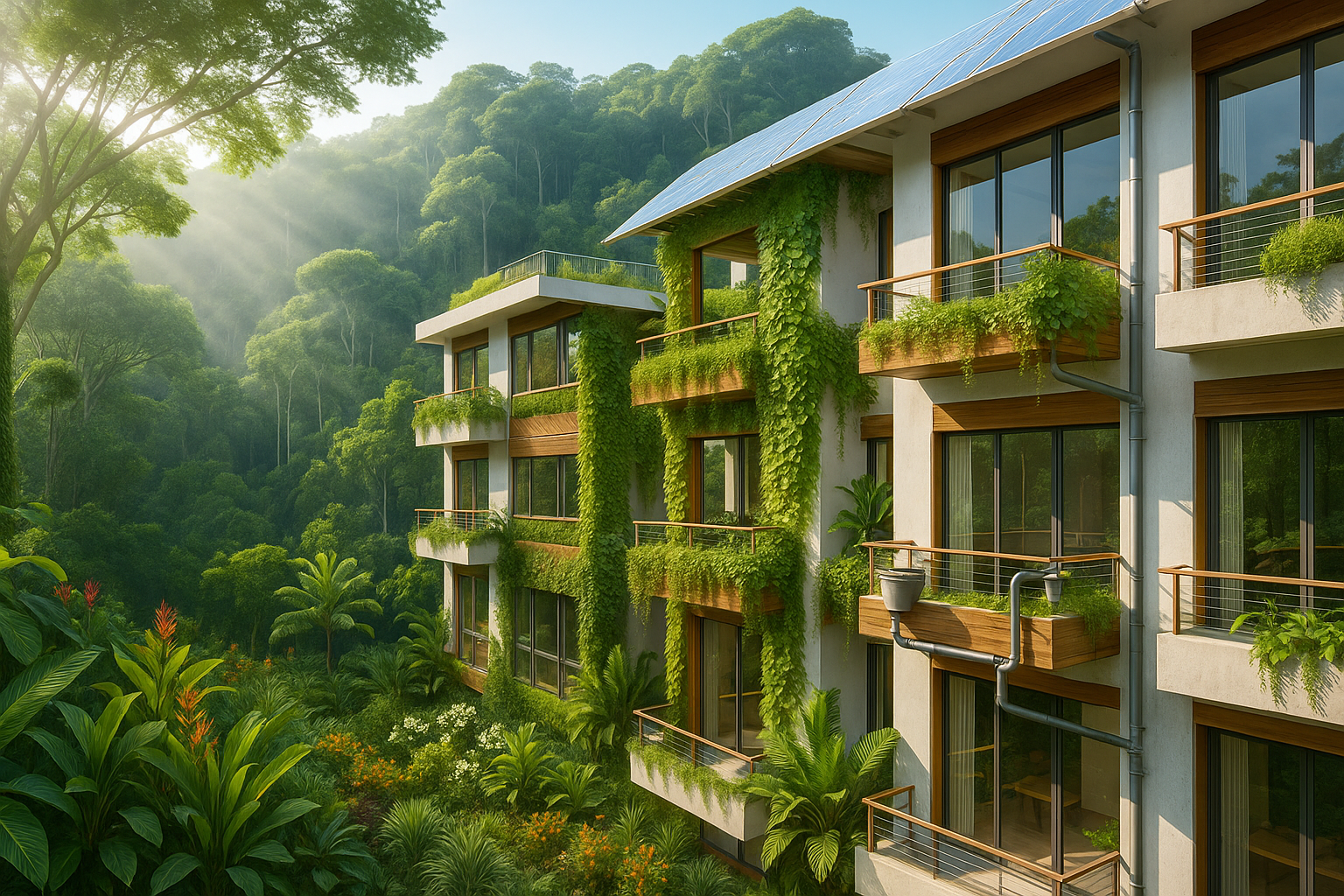
Modern high-rise apartments increasingly integrate green design—energy-efficient systems, rainwater harvesting, green roofs, and vertical gardens. Residents living closer to the sky may feel more connected to natural elements like sunlight, wind, and rain, even within dense urban environments.
This elevated viewpoint encourages a long-term perspective, where individual actions feel connected to broader environmental outcomes.
Emotional Duality: Freedom and Detachment
While high-rise living offers freedom from noise and congestion, it can also create emotional distance. Being physically removed from street life may lead some residents to feel detached from the cultural pulse of the city.
Children growing up in high-rise apartments may experience the city differently—through windows and balconies rather than sidewalks and courtyards. This makes thoughtful design and access to communal outdoor spaces essential.
The emotional experience of living high above ground is often a balance between empowerment and isolation. Successful high-rise living depends on how well buildings bridge this gap through design, amenities, and community engagement.
High-Rise Living as a Reflection of Modern Identity
Apartments in the sky reflect contemporary values: efficiency, ambition, innovation, and adaptability. They represent how modern humans respond to population growth, land scarcity, and changing lifestyles.
Living high above the ground can shape identity. Residents may see themselves as forward-thinking, independent, and urban-oriented. The city becomes less of a maze and more of a system—observable, navigable, and comprehensible from above.
This shift in identity often extends beyond the home, influencing how people approach work, relationships, and personal goals.
Conclusion: More Than a View
High-rise apartments are not just architectural solutions to urban density; they are environments that reshape human perception. By altering how we see space, community, nature, and ourselves, apartments in the sky influence emotional well-being and social behavior in profound ways.
As cities continue to grow upward, the challenge lies in designing high-rise living that balances elevation with connection, privacy with community, and efficiency with humanity. When thoughtfully planned, living in the sky doesn’t disconnect people from life below—it offers a clearer, broader perspective on it.