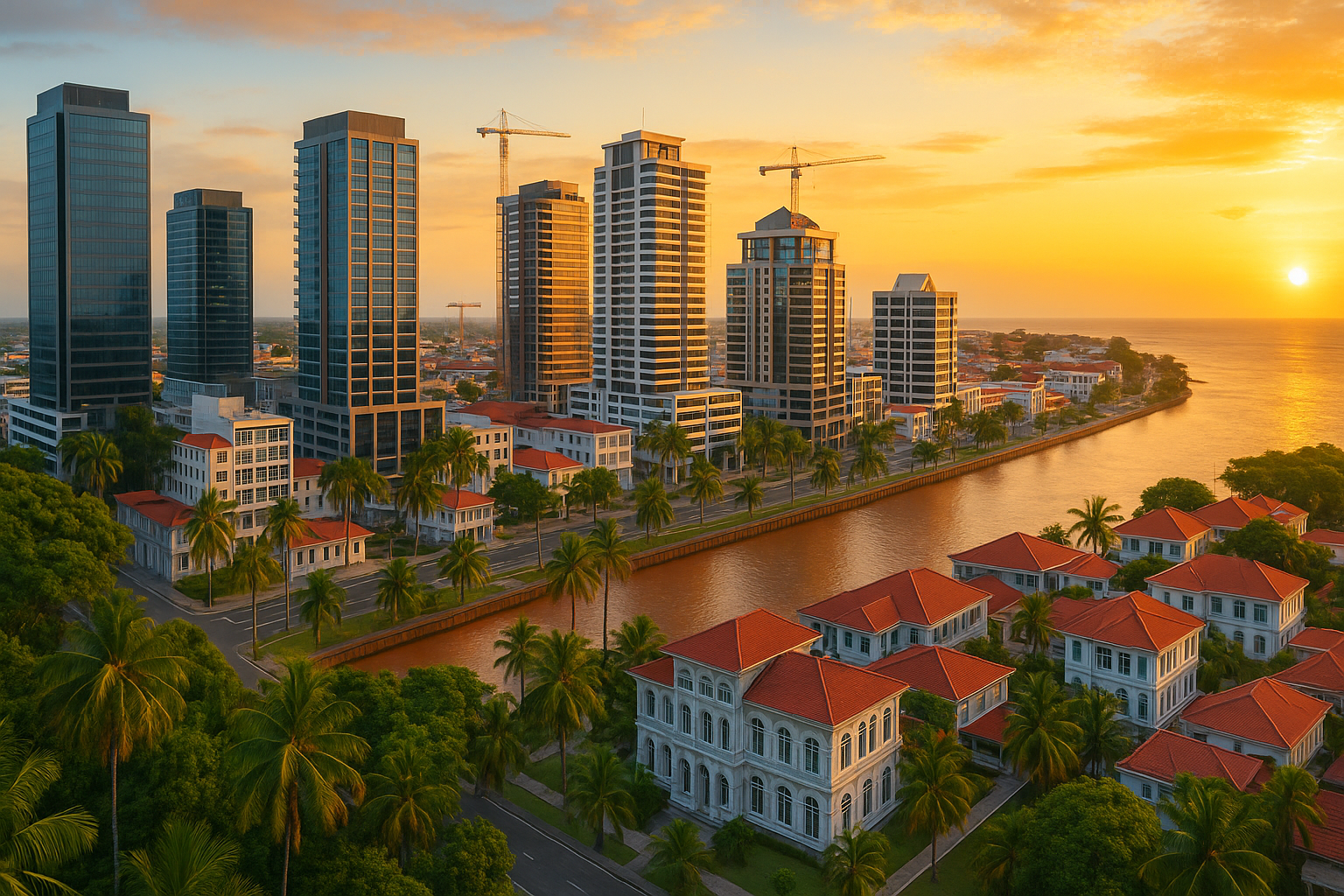
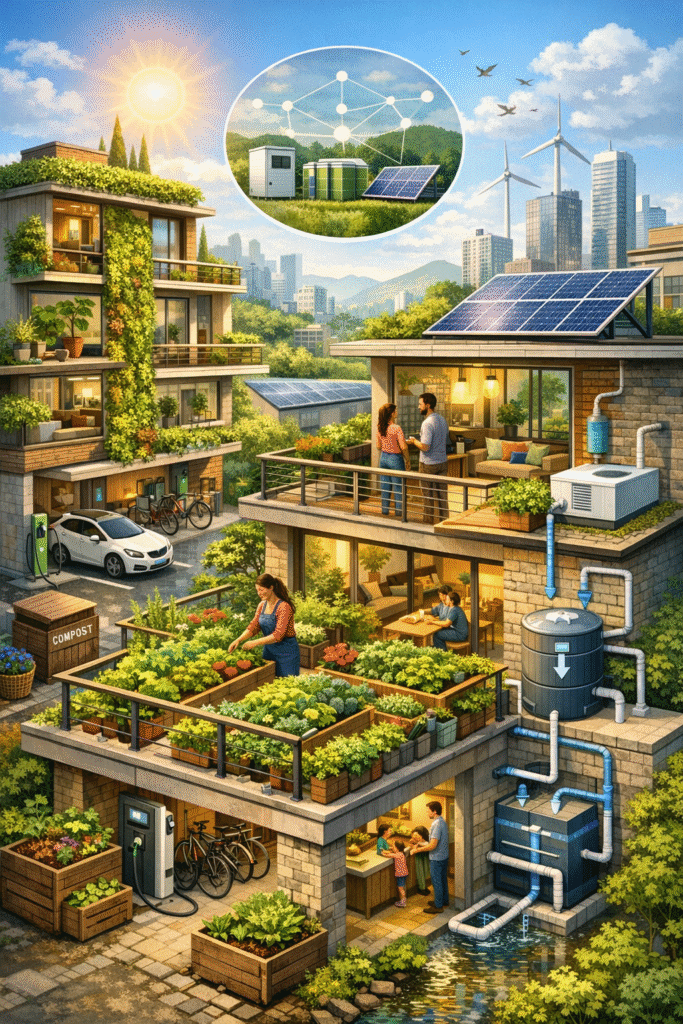
In cities around the world, apartments — long associated with dense, gray, concrete jungles — are quietly transforming. Once symbols of urban sprawl and environmental compromise, multifamily housing is now becoming a pioneer in climate-friendly living. From green roofs and vertical gardens to energy-efficient appliances and community composting, apartment buildings are helping reduce carbon footprints and bring nature back into urban life. This transformation is more than aesthetic — it’s a response to climate urgency, changing resident expectations, and innovative design thinking.
The Urban Climate Challenge
Cities are blankets of heat, concrete, and people. They generate significant greenhouse gas emissions, and apartments — where millions of people live — are central to this dynamic. Traditionally, urban housing has been energy-intensive: poorly insulated walls, single-pane windows, and inefficient heating/cooling systems lead to higher energy use. Add to this the scarcity of green space, and it becomes clear why urban areas face challenges like heat islands, stormwater runoff, and declining air quality.
Yet, paradoxically, apartments also offer a great opportunity. Compared to single-family homes, apartments generally use less energy per person due to shared walls and smaller living spaces. This efficiency provides a foundation to push even further: what if apartments weren’t just less bad — what if they could actively help the climate?
Greening the Concrete: Biophilic Architecture
One of the most visible ways apartments are becoming climate helpers is through biophilic design. Biophilia refers to humans’ innate connection with nature. Incorporating natural elements into built environments makes spaces healthier and more livable — and it can also benefit the climate.
- Green Roofs and Living Walls
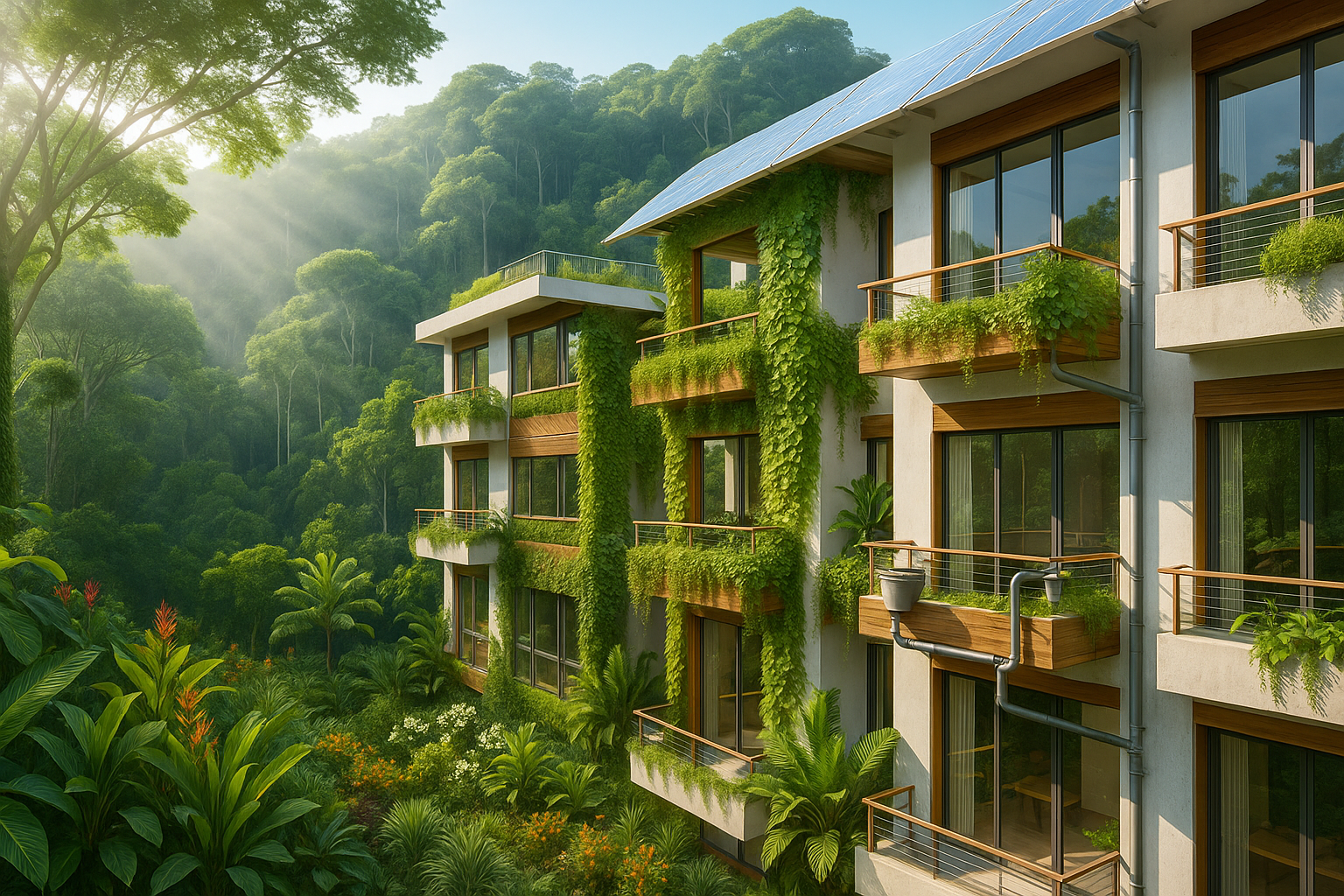
These are more than pretty facades. Green roofs insulate buildings, reducing the need for heating and cooling. They also absorb rainwater, easing pressure on stormwater systems and reducing flood risk. Living walls — vertical gardens on exterior or interior surfaces — help filter air pollutants, cool the surrounding air, and create habitat for pollinators. - Indoor Plant Integration
Many modern apartments integrate plants directly into interiors. Feature plant walls in lobbies, balconies with built-in planters, and shared garden spaces encourage residents to interact with greenery. Beyond aesthetics, plants improve indoor air quality by absorbing volatile organic compounds (VOCs) and increasing oxygen levels.
Energy Efficiency: The Heart of Climate-Smart Living
Green design isn’t just about adding plants — it’s also about smart energy systems.
- High-Performance Insulation and Windows
Instead of letting heat escape through leaky walls, modern apartment buildings use advanced insulation and double- or triple-glazed windows. This reduces heating and cooling demand, cutting emissions and energy costs. - Efficient HVAC and Smart Thermostats
Heating, ventilation, and air conditioning (HVAC) systems are major energy users. Upgrading to high-efficiency models and adding smart thermostats allows residents and building managers to optimize energy use based on occupancy and weather conditions. - LED Lighting and Sensor Controls
LED lighting uses a fraction of the energy of incandescent bulbs. When paired with motion and daylight sensors in common areas like corridors and lobbies, wasteful lighting is minimized.
Renewables and On-Site Power
As apartments increase their energy efficiency, many are also turning to renewable energy.
- Solar Panels on Rooftops and Balconies
Solar installations can generate a significant portion of a building’s energy needs. In some cases, excess power is stored in battery systems or fed back to the grid. Even balcony railings can now be integrated with small-scale solar panels, enabling residents in older buildings to benefit from renewable energy. - Community Microgrids
Some forward-thinking developments are experimenting with microgrids — localized grids that can operate independently from the main power system. This increases resilience during outages and allows better integration of distributed energy resources like solar.
Water Conservation and Climate Resilience
Water and climate are deeply connected. Apartments are embracing systems that conserve water and lessen environmental impact.
- Rainwater Harvesting
Collected rainwater can be reused for irrigation, toilet flushing, and cleaning. This reduces demand on municipal water supplies and lowers utility costs. - Low-Flow Fixtures and Greywater Systems
Installing low-flow faucets, showers, and toilets cuts water use dramatically. Greywater systems — which reuse water from sinks and showers for flushing toilets or irrigating plants — are becoming increasingly feasible in multi-unit buildings.
Circular Living: Waste Reduction in Apartments
Reducing emissions also means tackling waste — and apartments are uniquely positioned to foster circular living.
- Composting Hubs
Many buildings now offer shared composting stations. Residents separate organic waste, which can be turned into nutrient-rich compost for gardens or community farms. - Recycling and Reuse Programs
Centralized recycling rooms with clear signage and education campaigns help residents recycle more effectively. Some buildings go further, offering swap shelves or repair workshops to extend the life of goods.
Shared Amenities and Reduced Consumption
Another climate benefit of apartment living is the efficient use of space and shared resources.
- Shared Mobility Options
Bike storage, bike-repair stations, and partnerships with bike-share services reduce the need for private car ownership. Electric vehicle (EV) charging stations encourage residents to switch to low-emission transportation. - Community Shared Spaces
Shared lounges, co-working areas, and kitchens reduce the need for duplicate items in every unit. Instead of each household owning seldom-used tools or appliances, residents can share resources — reducing consumption and waste.
Community Engagement: Climate Action as a Collective Habit
Perhaps the most transformative shift isn’t technological — it’s cultural. Apartments that succeed as climate helpers cultivate a sense of community and shared purpose.
- Resident Education and Incentives
Workshops on energy saving, gardening, composting, and sustainable cooking help residents adopt greener habits. Some buildings offer incentives — like reduced fees or rewards — for those who significantly cut energy or water usage. - Climate Action Committees
Resident-led groups brainstorm and implement sustainability initiatives. Whether it’s organizing a rooftop garden harvest or negotiating bulk discounts on energy-efficient appliances, these committees turn ideas into action.
Looking Ahead: The Future of Climate-Smart Apartments
The evolution of apartments into climate helpers is ongoing. Here are some trends shaping the future:
- Net-Zero and Regenerative Buildings
The goal for many developers is net-zero energy — producing as much energy as is consumed annually. Beyond that, regenerative buildings aim to restore and improve ecological systems. - Bioclimatic Design
This approach tailors buildings to local climate conditions — using design strategies like natural ventilation, sun shading, and thermal mass to reduce energy use without mechanical systems. - Smart Building Systems
Internet of Things (IoT) sensors and AI data analytics will optimize energy, water, and waste systems in real time — learning from usage patterns and external conditions to maximize efficiency.
Conclusion: From Concrete to Climate Champions
Apartments were once viewed as neutral or even negative elements in the environmental narrative. Today, they are emerging as paradoxically powerful allies in climate action. By integrating green infrastructure, energy-efficient systems, renewable power, water conservation, circular waste practices, and community engagement, urban living spaces are evolving from passive dwellings to active climate helpers.
Concrete buildings may not disappear — but they are becoming greener inside and out. Through thoughtful design and collective effort, apartments are proving that even within the densest cities, nature and sustainability can thrive. In this transformation lies hope: that every balcony garden, solar panel, and shared compost bin brings us one step closer to cities that sustain both people and planet.