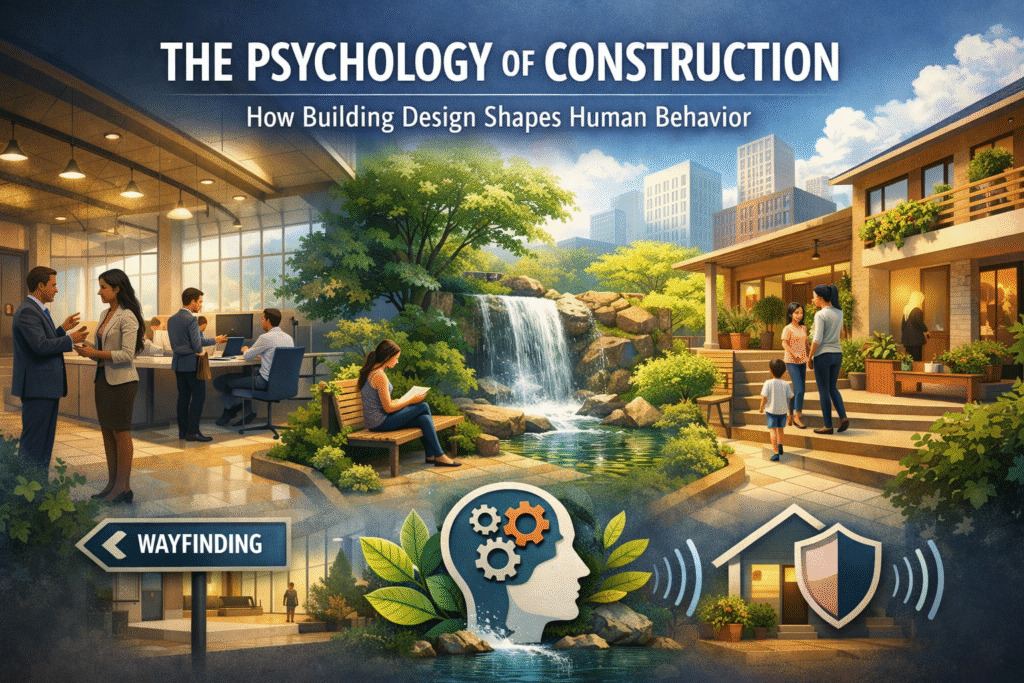
Architecture and construction are more than just technical disciplines—they are powerful influencers of human behavior. Every wall, corridor, window, and open space subtly shapes how people think, feel, and interact. This field, often referred to as environmental psychology, examines the intricate relationship between built environments and human behavior. By understanding this connection, architects and designers can create spaces that enhance well-being, productivity, and social interaction.
How Space Influences Mood
The design of a building directly impacts the emotional state of its occupants. For instance, natural light has been consistently shown to improve mood and mental health. Exposure to sunlight increases the production of serotonin, a neurotransmitter that regulates mood. Consequently, spaces with large windows or skylights often feel more welcoming and energizing than dimly lit interiors.
Moreover, the ceiling height can alter behavior. Studies reveal that higher ceilings promote abstract thinking and creativity, whereas lower ceilings encourage focus and attention to detail. Therefore, designing classrooms or creative studios with high ceilings can stimulate innovation, while office cubicles with moderate heights may help employees concentrate on routine tasks.
Similarly, color plays a subtle but significant role. Warm colors like red and orange can stimulate energy and social interaction, whereas cool tones such as blue and green encourage calmness and reflection. Consequently, strategic use of color can guide human behavior in both public and private spaces.
Layouts That Encourage Social Interaction
Transitioning from individual mood to social dynamics, the layout of a building can also influence how people connect. Open-plan offices, for example, were originally designed to foster collaboration. By removing physical barriers, employees are more likely to engage spontaneously with colleagues. Yet, this design can also have downsides, such as increased noise and distractions, which may reduce productivity for some tasks.
Conversely, layouts that include semi-private spaces, like lounges or breakout rooms, provide a balance between collaboration and solitude. These areas allow people to engage socially without feeling constantly exposed, demonstrating how thoughtful spatial design can support both interaction and personal comfort.
In residential settings, communal areas such as shared gardens or courtyards encourage neighborly interaction. Architectural elements like benches, walkways, and open green spaces subtly nudge people toward social engagement, illustrating the psychological power of shared environments.
Wayfinding and Cognitive Ease
One often overlooked aspect of construction psychology is wayfinding—the ease with which people navigate a building. Complex layouts or poorly marked paths can induce stress and anxiety, particularly in hospitals, airports, or large office complexes. In contrast, intuitive design with clear signage and logical flow reduces cognitive load, allowing occupants to feel more comfortable and confident.
For instance, hospitals with distinct zones for patients, visitors, and staff reduce confusion, which can directly influence overall satisfaction and even recovery times. Similarly, shopping malls with visible landmarks and clear directional cues enhance customer experience and encourage longer visits.
Nature and Biophilic Design
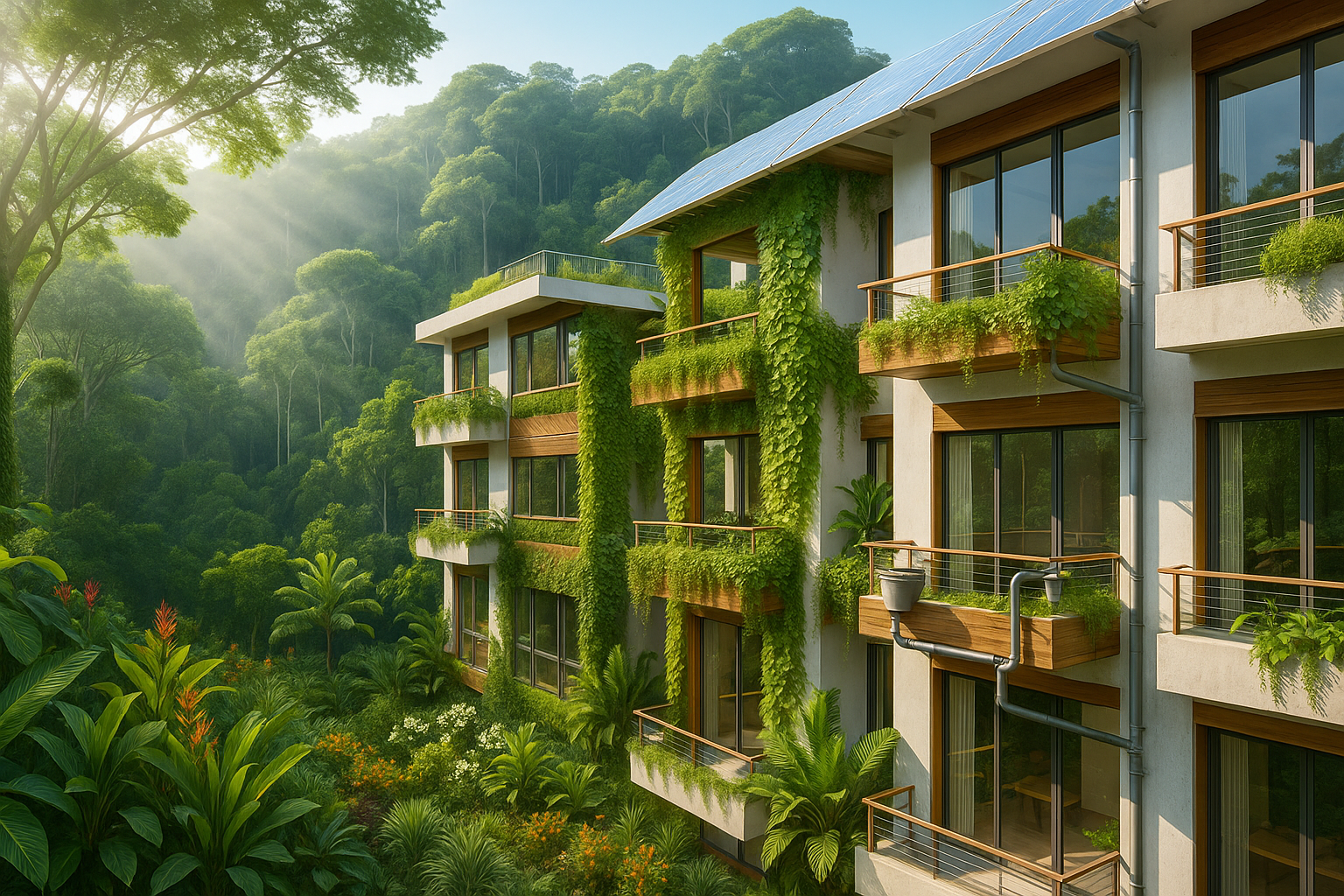
A growing trend in construction psychology is biophilic design, which integrates natural elements into the built environment. Humans have an inherent affinity for nature, and incorporating plants, water features, or natural materials can positively affect mental health.
For example, studies show that office workers with access to indoor plants report higher job satisfaction and lower stress levels. Furthermore, views of outdoor greenery from windows have been linked to faster recovery times in hospital patients. Clearly, integrating natural elements into construction is not merely aesthetic—it has measurable psychological benefits.
Safety and Comfort
People’s behavior is heavily influenced by their sense of safety. Well-lit pathways, secure entrances, and ergonomic furniture all contribute to a feeling of security and comfort. Conversely, poorly maintained or unsafe environments can cause stress and avoidance behaviors.
In urban planning, crime prevention through environmental design (CPTED) principles demonstrate how thoughtful construction can reduce antisocial behavior. For instance, strategically placed lighting, visible windows, and open sightlines discourage criminal activity, showing that design choices directly influence community behavior.
Acoustic and Sensory Design
Beyond visuals and layout, sound and sensory experiences also shape behavior. Excessive noise in open offices or classrooms can lead to cognitive fatigue, frustration, and decreased productivity. Therefore, acoustically designed ceilings, sound-absorbing panels, and spatial separation help reduce distractions and support focus.
Similarly, tactile and olfactory elements—like textured surfaces or pleasant scents—can affect comfort and perception. A well-designed hospital or hotel lobby, for instance, may employ subtle scents or smooth flooring to create a calming, welcoming environment, subtly influencing behavior without occupants even realizing it.
Designing for Movement
Finally, construction psychology extends to physical movement within a building. Staircases that are easily accessible encourage walking over elevators, promoting health and energy. In offices, placing communal printers or coffee machines centrally can increase incidental social interactions, while residential staircases designed with visibility and aesthetics in mind encourage exercise and family engagement.
Even urban environments benefit from movement-oriented design. Wide sidewalks, bike lanes, and pedestrian-friendly plazas encourage walking, cycling, and community interaction, proving that construction choices ripple into broader societal behavior.
Conclusion
The psychology of construction is a compelling reminder that buildings are not merely structures—they are active participants in human experience. From mood and cognition to social interaction and physical movement, every architectural choice subtly guides behavior. Architects, designers, and builders who understand these principles can craft spaces that enhance well-being, productivity, and community.
In essence, the buildings around us are silent psychologists. They influence how we feel, how we connect, and how we move through the world. As the construction industry continues to evolve, integrating psychological insights into design will be crucial for creating environments that not only shelter but also nurture the human spirit.